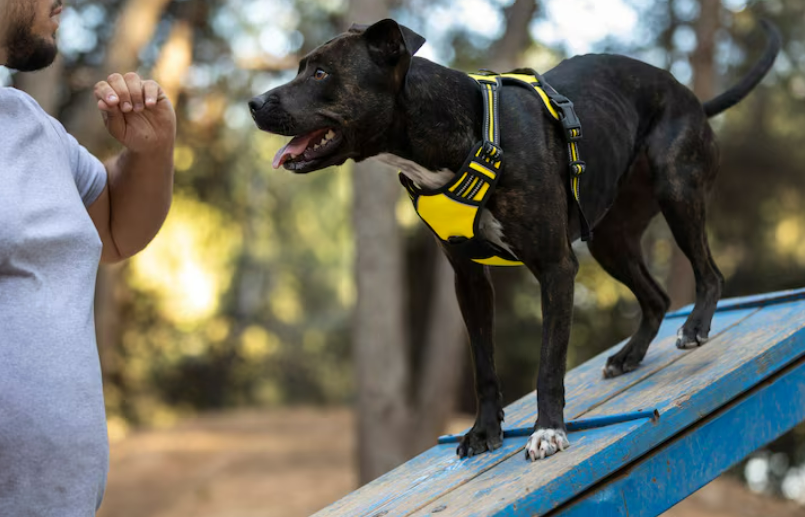
Many dog owners think successful training depends on teaching more commands. Professional trainers know that lasting success comes from changing how a dog learns, not simply what a dog learns. Modern “force free dog training near me” programs focus on building confidence, emotional stability, and thoughtful decision-making through positive learning experiences. Instead of depending on correction, force-free methods teach dogs to repeat behaviors because they understand the value of making the right choice. This creates reliable habits that continue in real life, helping families enjoy calmer walks, better communication, and stronger relationships with their dogs for years instead of only during training sessions. A dog that understands learning instead of reacting to pressure is more likely to keep those good habits in different environments throughout its life.
Great Training Changes the Brain Before It Changes Behavior
Many people only notice the final behavior. Professional trainers pay attention to the learning process happening inside the dog’s brain. Every successful repetition strengthens new learning pathways. Each correct choice becomes easier to repeat because the brain begins recognizing that behavior as valuable. This process creates lasting habits instead of temporary obedience. Dogs that understand why a behavior works usually remember it longer than dogs trained only through repeated commands. Long-term improvement begins with changing the learning process itself. As confidence grows, learning becomes smoother, and dogs become more willing to work with their owners in different situations.
Emotional Control Is the Hidden Skill Behind Reliable Obedience
Most owners focus only on visible behavior. Professional trainers also build emotional control. A dog that remains emotionally balanced makes better decisions during exciting or stressful situations. Force-free training creates calm thinking before asking for obedience. This helps dogs remain focused during greetings, public walks, family visits, or unexpected distractions because they learn how to control excitement before responding. Emotional stability often produces stronger long-term results than teaching new commands alone. A calm dog is also easier to guide, making daily activities more enjoyable for both the owner and the pet.
Mistakes Become Valuable Information Instead of Failure
Many owners believe mistakes mean training is not working. Professional trainers see mistakes differently. Each incorrect response provides useful information about timing, environment, difficulty level, or communication. Instead of repeating corrections, trainers adjust the lesson to help the dog succeed on the next attempt. This flexible learning process keeps dogs motivated while allowing progress to continue without unnecessary pressure. Better learning comes from improving the lesson, not blaming the dog. Small improvements made during each session slowly become dependable habits that continue over time.
Training Success Depends on Environment Design
Professional trainers carefully arrange the learning environment before teaching begins. Distance, sound levels, movement, available space, and nearby distractions all influence how well a dog learns. Changing the environment often improves learning faster than introducing new commands. As confidence grows, trainers slowly increase the difficulty. This gradual progression helps dogs build dependable skills that continue working in unfamiliar places instead of only inside quiet training areas. Learning in different locations also prepares dogs for everyday life where distractions naturally exist.
Small Decisions Create Permanent Habits
Every training session contains hundreds of small choices. Looking toward the owner, waiting calmly, ignoring a distraction, or walking beside the handler are all valuable learning moments. Each correct decision strengthens future behavior. Professional force-free training rewards these small moments because lasting behavior develops through repeated successful choices rather than occasional perfect performance. Over time, these everyday decisions become automatic habits that improve family life and help dogs respond with greater confidence in many situations.
Strong Relationships Produce Stronger Results
Dogs naturally learn better from people they trust. Force-free training improves communication instead of relying on control. Owners become clear, predictable, and easier for dogs to understand. Dogs become more willing to stay engaged because training feels rewarding rather than confusing. This stronger partnership improves learning speed while creating reliable behavior that continues long after formal lessons are complete. A healthy relationship built on trust often becomes the strongest foundation for long-term success.
In The End:
Professional trainers build personalized learning plans that match each dog’s age, personality, confidence, and behavior goals. Families also benefit from continuing structured activities such as pack training for dogs, where controlled group learning strengthens attention, social skills, and reliable responses around other dogs. Combining individual coaching with carefully managed group experiences helps dogs apply their new skills in everyday situations while maintaining steady long-term progress. Regular guidance also helps owners continue using the right techniques after formal training has ended. Long term success begins with teaching your dog how to think instead of simply teaching commands. Work with an experienced force free trainer who understands learning, behavior, and communication.
Schedule a professional training assessment today and help your dog build confidence, emotional balance, and dependable habits that continue for years to come. The right training approach can create better communication, stronger trust, and positive behavior that supports a happy life together.