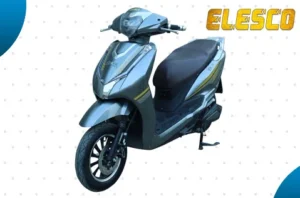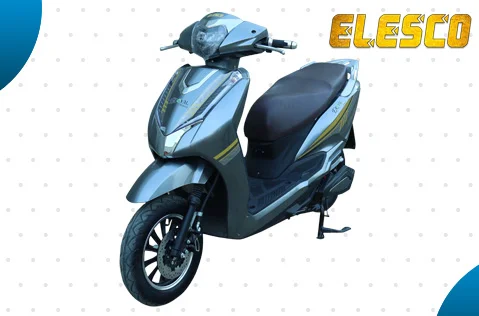
The transportation industry is changing rapidly as people and businesses look for cleaner, more efficient, and cost-effective mobility solutions. Electric vehicles are becoming an important part of this transformation because they help reduce dependence on conventional fuels and support more sustainable transportation. From daily commuting to commercial applications, electric mobility is creating new opportunities for consumers and businesses alike. In this evolving market, Electric Vehicle Manufacturers play an important role in developing innovative mobility solutions that meet modern transportation needs Electric Scooter.
Elesco is a brand associated with electric mobility solutions, focusing on the growing demand for electric two-wheelers and sustainable transportation alternatives. As awareness of environmental protection and energy efficiency increases, electric mobility continues to attract attention across different segments of the market.
The Growing Importance of Electric Vehicles
Electric vehicles are gaining popularity because they offer an alternative to traditional petrol-powered transportation. Rising fuel expenses, increasing environmental awareness, and technological advancements have encouraged more people to explore electric mobility.
Electric vehicles use electric motors powered by rechargeable batteries instead of conventional internal combustion engines. Depending on the vehicle type, design, and battery technology, they can provide a convenient option for daily travel. They may also help reduce tailpipe emissions and noise in urban environments.
Manufacturers are continuously exploring improvements in battery performance, charging systems, vehicle design, and safety features. These developments are helping make electric transportation more accessible and practical for a wider range of users.
How Electric Vehicle Manufacturers Support Innovation
Modern Electric Vehicle Manufacturers contribute to the development of transportation solutions by focusing on engineering, product design, battery technology, and manufacturing quality. Their work helps shape the future of personal and commercial mobility.
Important areas of development include battery efficiency, motor performance, charging convenience, vehicle durability, and rider safety. Manufacturers also need to consider customer expectations, maintenance requirements, and the suitability of vehicles for different road conditions.
Choosing an electric vehicle requires careful consideration of factors such as battery range, charging time, warranty coverage, service availability, and overall running costs. Reliable product information helps customers select a vehicle that fits their daily travel requirements.
As the electric mobility industry develops, companies that focus on product improvement and customer satisfaction can contribute to a stronger and more competitive transportation ecosystem.
The Rising Demand for Electric Scooter Manufacturers
Electric scooters have become an attractive mobility option for people who need convenient transportation for everyday activities. Their compact design and electric powertrains make them suitable for many urban commuting requirements.
The role of Electric Scooter Manufacturers extends beyond producing vehicles. Manufacturers must consider practical features, including riding comfort, battery capacity, braking systems, ease of operation, and long-term usability.
Electric scooters can be useful for commuting to work, travelling to educational institutions, and completing short-distance journeys. However, the actual riding range and charging requirements vary according to battery specifications, rider weight, road conditions, speed, and riding habits.
Consumers should compare available models and evaluate their features before making a purchase. Factors such as build quality, after-sales support, replacement parts, and warranty terms can also influence the overall ownership experience.
With continuous improvements in electric mobility technology, electric scooters are becoming an increasingly important part of conversations about sustainable urban transportation.
Battery Technology and the Role of Battery Scooty Manufacturers
The battery is one of the most important components of an electric scooter. It stores the energy required to power the motor and directly influences several aspects of vehicle performance.
Battery Scooty Manufacturers focus on developing and supplying electric scooters that meet different commuting needs. Battery capacity, charging performance, durability, and safety are important considerations when evaluating battery-powered two-wheelers.
Lithium-ion batteries are commonly used in modern electric scooters because of their energy density and rechargeable characteristics. However, battery chemistry and specifications can vary between models. Buyers should review the manufacturer’s recommended charging practices, battery warranty, and maintenance guidelines.
Proper battery care can help support long-term performance. Users should follow the recommended charging procedure, avoid incompatible chargers, protect the vehicle from unsuitable storage conditions, and arrange professional servicing when required.
As battery technology continues to advance, improvements in energy efficiency and battery management systems may further support the development of practical electric mobility solutions.
Elesco and the Future of Electric Mobility
Elesco is part of the broader conversation around electric two-wheelers and the transition toward alternative transportation. The increasing interest in electric mobility highlights the importance of vehicle options that address everyday commuting requirements.
Customers exploring electric scooters should review available product specifications, intended usage, charging requirements, and service support to make informed decisions. Understanding these details helps buyers identify solutions that align with their budgets and transportation needs.
The continued development of electric transportation depends on technological innovation, responsible manufacturing practices, customer awareness, and suitable charging infrastructure. Together, these factors can help support wider adoption of electric vehicles.
Frequently Asked Questions
1. What do Electric Vehicle Manufacturers do?
They develop and produce vehicles powered wholly or partly by electricity, depending on the vehicle category, using technologies such as electric motors and battery systems.
2. What should I consider when choosing an electric scooter?
Consider battery range, charging time, safety features, build quality, warranty, servicing availability, and the suitability of the scooter for your daily commute.
3. Why is battery quality important in an electric scooter?
Battery quality affects energy storage, usable range, charging performance, and the vehicle’s long-term reliability. Always follow the manufacturer’s battery care and charging instructions.
4. What is the importance of electric mobility?
Electric mobility offers alternatives to conventional fuel-powered transportation and can help reduce tailpipe emissions, particularly when supported by cleaner electricity and suitable charging infrastructure.
Conclusion
Electric mobility is reshaping the way people think about everyday transportation. From advancements in electric vehicle engineering to the growing popularity of scooters and improvements in battery technology, the industry continues to evolve.
Electric Vehicle Manufacturers, Electric Scooter Manufacturers, and Battery Scooty Manufacturers all have important roles in supporting this transition. By comparing vehicle specifications, battery performance, safety features, and after-sales services, consumers can make better-informed decisions about electric transportation.
Elesco is a brand to explore when researching electric mobility solutions. As the industry progresses, electric two-wheelers are likely to remain an important option for people seeking convenient alternatives for their daily travel needs.