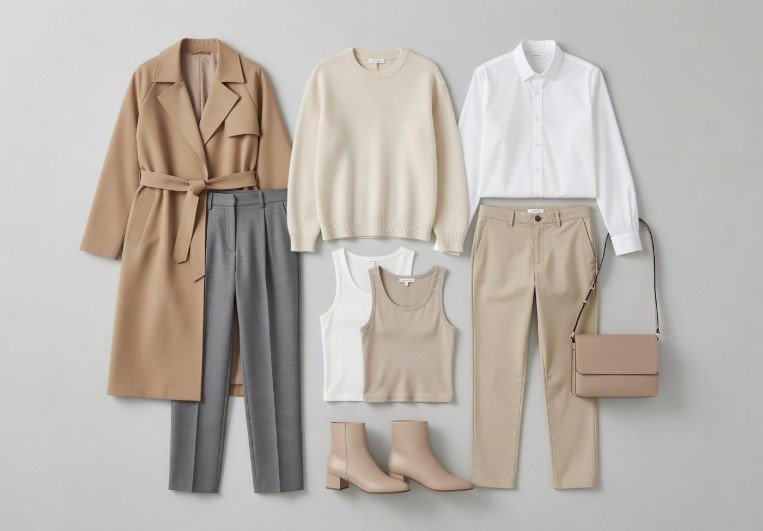
Modern women often balance professional responsibilities, family commitments, social activities, and personal goals. With so much competing for their attention, spending extra time ironing clothes may not fit into their daily routines. Easy-care fashion offers a practical solution by combining comfortable fabrics, versatile designs, and simple garment maintenance.
Among the most useful wardrobe options are no iron dresses, which help women maintain a neat appearance without relying on frequent ironing. While no garment is completely immune to wrinkles in every situation, choosing wrinkle-resistant fabrics and well-designed silhouettes can significantly reduce everyday clothing care.
Building a low-maintenance wardrobe does not mean sacrificing style. With thoughtful choices, women can create outfits that look polished, feel comfortable, and suit everything from busy workdays to weekend outings.
What Is Easy-Care Fashion?
Easy-care fashion focuses on clothing that requires minimal effort to maintain. These garments are designed to simplify washing, drying, storage, and everyday styling while retaining their appearance through regular use.
Common features include wrinkle-resistant fabrics, durable stitching, comfortable fits, and versatile designs that work across multiple occasions. Many easy-care garments can be machine-washed or dried quickly, although care requirements vary by fabric and manufacturer.
For women with demanding schedules, these qualities offer practical benefits. A dress that needs little ironing can make getting ready faster, reduce laundry-related tasks, and help keep a wardrobe organized.
The goal is to select clothing that fits your lifestyle rather than accumulating garments that require special care or complicated styling.
1. Choose No Iron Dresses for Everyday Convenience
Dresses offer a straightforward way to create a complete outfit with minimal coordination. When the fabric resists wrinkles and the design suits multiple occasions, getting dressed becomes even easier.
Look for Wrinkle-Resistant Fabrics
Fabric selection plays a major role in how much maintenance a dress requires. Polyester and certain polyester blends generally resist wrinkles better than many lightweight cotton or linen fabrics. Stretch blends may also help garments retain their shape, depending on their construction.
Some treated cotton fabrics are designed to resist creasing, while knit materials can be practical for everyday wear. However, results vary according to fabric quality, weave, finishing, and garment design.
Before buying a dress, check the care label for washing, drying, and ironing instructions. Terms such as wrinkle-resistant or easy-care can indicate reduced maintenance, but they do not guarantee a completely crease-free garment.
Select Versatile Silhouettes
Simple, well-fitting dresses are easier to style for different settings. A shirt dress, a knee-length shift dress, or a comfortable midi dress can work for office hours, casual lunches, and informal gatherings with small styling changes.
Neutral colors and subtle patterns also make outfit coordination easier. Black, navy, beige, and muted green can pair well with different shoes, bags, and accessories, helping you get more use from each garment.
2. Build a Wardrobe Around Low-Maintenance Fabrics
An easy-care wardrobe begins with fabrics that suit your routine, climate, and comfort preferences. Understanding basic material characteristics helps you make informed clothing choices.
Polyester and Blended Fabrics
Polyester is widely used in wrinkle-resistant clothing because it generally holds its shape and dries relatively quickly. Blends combining polyester with cotton, viscose, or elastane may balance durability, softness, and flexibility.
These materials can be useful for workwear, travel dresses, and everyday outfits that need to remain presentable throughout a busy day. However, breathability and texture differ between blends, so consider how a fabric feels against your skin before purchasing.
Knitted and Stretch Fabrics
Jersey and other knit fabrics are popular choices for comfortable casual dresses. Their flexibility allows freedom of movement, while many knit constructions recover well after wearing.
A well-made jersey dress can suit shopping trips, commuting, or relaxed social occasions. Choose a fabric weight appropriate for the weather, and check whether the garment becomes transparent or loses its shape when stretched.
Cotton Blends and Easy-Care Finishes
Cotton offers a familiar, breathable feel, but it can crease during washing and wearing. Blended cotton fabrics and wrinkle-resistant finishes may reduce this problem.
If you prefer natural fibers, these options can provide a useful balance between comfort and convenience. Always follow the manufacturer’s care instructions to preserve the fabric’s finish.
3. Prioritize Clothing That Works for Multiple Occasions
Practical fashion is about versatility as much as fabric performance. Choosing clothing that adapts to different situations can reduce the number of garments you need.
For example, a simple midi dress can look professional with closed-toe flats and a structured bag. The same dress may suit a weekend outing when paired with sneakers and a lightweight jacket.
For evening plans, understated jewelry and dressier footwear can create a more refined appearance without requiring a completely different outfit.
When shopping for easy-care dresses for work or everyday wear, consider the garment’s neckline, sleeve length, fit, and hemline. These details influence where and when you can wear it.
A small collection of adaptable dresses in complementary colors can support numerous outfit combinations while keeping wardrobe decisions simple.
4. Make Travel Easier With Wrinkle-Resistant Dresses
Travel often involves limited luggage space, long journeys, and changing activities. Clothing that requires minimal maintenance can make packing and getting ready much more convenient.
Wrinkle-resistant dresses are useful for business trips, weekend breaks, and holidays because they can often move from a suitcase to an outfit with relatively little preparation.
Choose lightweight garments that coordinate with shoes and accessories you already plan to pack. A neutral dress, for example, might work with walking shoes during the day and simple flats for dinner.
Even wrinkle-resistant clothing can develop creases when compressed for long periods. To reduce this risk, avoid overpacking your suitcase, fold garments carefully, and hang dresses as soon as you arrive.
If a dress needs refreshing, follow its care instructions. Depending on the fabric, hanging it in a suitable space or using a steamer may help release minor wrinkles without extensive ironing.
5. Maintain Easy-Care Clothing With Simple Habits
Even low-maintenance garments benefit from proper care. Small changes to your laundry routine can help preserve their appearance and extend their useful life.
Follow Care Labels
Check the recommended washing temperature, drying method, and ironing settings before laundering a garment. Washing clothes at unnecessarily high temperatures or exposing delicate materials to excessive heat can damage fibers and affect their finish.
Use a suitable detergent and avoid overcrowding the washing machine, which can restrict movement and contribute to creasing.
Remove Clothes Promptly
When a wash cycle finishes, remove garments promptly and shake them gently to loosen folds. Smooth seams and hems before hanging dresses on suitable hangers or laying them flat when recommended.
Avoid leaving damp clothes in a pile, as this can encourage unpleasant odors and make wrinkles harder to remove.
Store Dresses Properly
Give dresses enough space in your wardrobe to prevent excessive compression. Use hangers that support the garment’s shoulders and shape, and fold knitwear when hanging could stretch it.
These simple practices help maintain a neat appearance while reducing the need for repeated pressing.
6. Balance Convenience, Comfort, and Quality
Although easy-care clothing can save time, wrinkle resistance should not be the only factor guiding your purchases. Comfort, fit, durability, and suitability for your climate are equally important.
Examine stitching, fabric thickness, lining, and finishing details. Consider whether a dress allows comfortable movement and whether it remains appropriate throughout a full day of wear.
It is also worth evaluating the garment’s cost per wear. A well-made dress that suits several occasions may offer better long-term value than a cheaper item that quickly loses its shape or requires frequent replacement.
Choose pieces that reflect your personal style and meet your actual needs. A practical wardrobe should make daily dressing easier without encouraging unnecessary purchases.
Conclusion
Easy-care fashion helps modern women simplify their routines while maintaining a polished, confident appearance. By choosing suitable fabrics, versatile silhouettes, and clothing that requires minimal maintenance, you can spend less time managing your wardrobe and more time on the activities that matter.
No iron dresses are a useful starting point because they combine outfit simplicity with the potential for reduced ironing and easier travel preparation. However, their performance depends on fabric composition, construction, and proper care.
Focus on garments that offer comfort, durability, and versatility, and support them with sensible laundry and storage habits. With a thoughtful approach, creating a stylish, low-maintenance wardrobe becomes a practical part of everyday life.