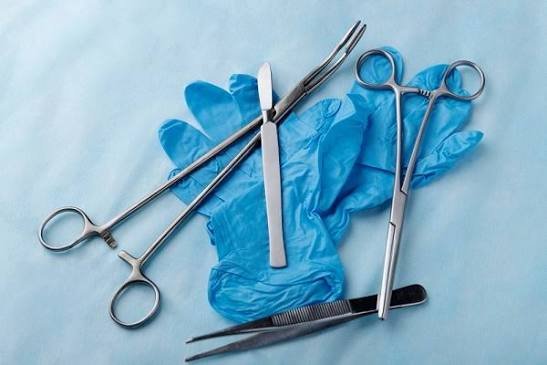
Choosing reliable surgical instruments is an important decision for medical professionals, clinics, hospitals, and healthcare facilities. Surgical forceps and scissors are used repeatedly during procedures, so their quality, durability, precision, and resistance to wear can directly affect efficiency and performance. Low-quality instruments may become blunt, misaligned, stiff, or damaged after repeated use, leading to unnecessary replacement costs and potential difficulties during procedures.
When selecting surgical instruments, it is important to look beyond price. Material quality, manufacturing standards, construction, ergonomics, maintenance requirements, and intended use all play a role in determining how long an instrument will remain dependable. This guide explains what to look for when choosing durable surgical forceps and scissors that can withstand years of professional use.
1. Understand the Purpose of the Instrument
The first step in choosing durable surgical instruments is understanding exactly how they will be used. Different procedures require different types of forceps and scissors, and selecting an instrument for the wrong application can cause unnecessary stress and premature wear.
Forceps are commonly used for grasping, holding, manipulating, or controlling tissue and materials. Scissors may be designed for cutting tissue, sutures, dressings, or other materials. Each design has specific characteristics suited to its intended task.
Before purchasing, consider the type of procedure, the material being handled, the required level of precision, and how frequently the instrument will be used. Choosing an instrument specifically designed for the intended application helps reduce misuse and extends its working life.
2. Choose High-Quality Surgical Stainless Steel
The material used to manufacture a surgical instrument is one of the biggest factors affecting durability. High-quality surgical stainless steel is widely used because it offers strength, corrosion resistance, and the ability to withstand repeated cleaning and sterilization.
A durable instrument should maintain its structural integrity after frequent exposure to moisture, cleaning solutions, and sterilization cycles. Poor-quality metal may corrode, stain, lose its finish, or become damaged more quickly.
When comparing instruments, ask about the grade and quality of the stainless steel used. A properly manufactured instrument made from suitable surgical-grade material is generally a better long-term investment than a cheaper product made from inferior metal.
3. Look for Precision Manufacturing
Precision manufacturing is essential for surgical forceps and scissors. Even when an instrument looks excellent externally, poor manufacturing tolerances can affect its performance.
Forceps should align properly when closed, while scissors should open and close smoothly without excessive resistance. The jaws, tips, handles, and joints should be manufactured accurately so that the instrument performs consistently.
For scissors, the blades need to meet correctly throughout their cutting action. If the blades are poorly aligned, cutting may become difficult and the edges can deteriorate faster.
For forceps, properly aligned tips and jaws are equally important. Precision manufacturing reduces unnecessary friction and helps an instrument maintain reliable performance through repeated use.
4. Select the Right Type of Forceps
Not all forceps are designed for the same purpose. Choosing the correct type is essential for both performance and durability. Forceps may differ in length, jaw pattern, tip design, locking mechanism, and overall construction.
For example, a forceps intended for grasping tissue may have different characteristics from one designed for clamping or handling materials. Using a delicate instrument for heavy-duty tasks can damage its tips or locking mechanism.
A commonly used example is kelly forceps, which are designed with a locking mechanism and serrated jaws for controlled clamping applications.
The key is to match the forceps to the procedure rather than selecting an instrument based only on appearance or price. Correct selection reduces stress on the instrument and contributes to longer service life.
5. Pay Attention to Scissor Blade Quality
The blades are the working part of surgical scissors, so their quality deserves particular attention. Durable scissors should have accurately manufactured blades that provide a smooth and consistent cutting action.
Check that the blades meet properly and that there are no visible gaps, rough edges, chips, or manufacturing defects. Scissors should not require excessive force to cut materials for which they were designed.
Different scissors are manufactured for different tasks. Using fine surgical scissors to cut inappropriate materials can damage their edges. Similarly, using general-purpose scissors for precision surgical work may produce poor results.
For procedures involving sutures, choosing purpose-designed suture scissors can provide more appropriate cutting performance than using a general-purpose instrument.
6. Consider Ergonomics and Handling Comfort
Durability is not the only consideration when choosing surgical instruments. Ergonomics can also influence how effectively and safely an instrument is used.
A well-designed instrument should feel balanced in the hand and allow controlled movement. Handles should provide a secure grip without requiring excessive pressure. Scissors should open and close naturally, while forceps should provide appropriate control.
Comfort becomes particularly important when instruments are used frequently or during procedures requiring precise manipulation. An uncomfortable instrument may encourage excessive force, awkward handling, or improper technique, potentially increasing wear over time.
Choose instruments that combine durability with practical ergonomics. A strong instrument that is difficult to control may not provide the same long-term value as a well-balanced, professionally manufactured alternative.
7. Check the Instrument Finish
The external finish of a surgical instrument can provide useful clues about its manufacturing quality. A high-quality instrument should have a consistent, smooth surface without obvious rough areas, pits, scratches, or irregularities.
A suitable finish can help make cleaning and maintenance easier while supporting resistance to corrosion and staining. Rough or damaged surfaces may retain contaminants and can become more difficult to clean properly.
Inspect joints, hinges, serrations, tips, and other working areas carefully. These areas should be finished accurately and should not show obvious manufacturing imperfections.
However, appearance alone should never determine quality. A polished instrument may still have poor internal construction. Consider the material, manufacturing precision, intended application, and reputation of the supplier together when evaluating durability.
8. Evaluate Joint and Locking Mechanisms
For hinged instruments such as scissors and locking forceps, the joint is a critical component. A poorly constructed joint can become loose, stiff, or difficult to operate after repeated use.
Scissors should move smoothly through their full opening and closing range. The blades should remain correctly aligned rather than shifting from side to side.
Locking forceps should engage and release reliably without excessive force. The ratchet mechanism should feel secure and should not slip unexpectedly.
Proper lubrication and cleaning can help preserve these moving parts, but good initial construction is equally important. A high-quality joint is less likely to develop excessive play or stiffness when the instrument is properly maintained.
9. Think About Sterilization and Repeated Cleaning
Surgical instruments must withstand cleaning and sterilization procedures appropriate for their intended use. Repeated exposure to heat, moisture, chemicals, and mechanical cleaning can gradually affect inferior materials.
Before purchasing, verify that the instrument is designed for the applicable cleaning and sterilization process. Follow the manufacturer’s recommendations regarding temperature, cleaning agents, lubrication, drying, and storage.
Improper cleaning can shorten the life of even a high-quality instrument. For example, aggressive chemicals, inadequate drying, or incorrect sterilization practices may contribute to corrosion or surface damage.
A good maintenance routine should therefore be considered part of the purchasing decision. Durable instruments last longer when they are cleaned, inspected, sterilized, and stored correctly.
10. Inspect Instruments Before Every Use
Regular inspection is one of the simplest ways to extend the service life of surgical instruments. Instruments should be checked before use for signs of damage, corrosion, misalignment, dullness, cracks, or loose components.
For scissors, examine the blades and test their movement. For forceps, check the tips, jaws, ratchet, and alignment. Any instrument that does not operate correctly should be removed from service and evaluated according to the facility’s procedures.
Small defects can become larger problems when an instrument continues to be used. Early identification allows maintenance, repair, or replacement before performance is significantly affected.
Routine inspection also helps maintain consistent instrument quality and supports safer, more efficient workflows.
11. Avoid Using Instruments for the Wrong Task
One of the easiest ways to damage surgical instruments is to use them outside their intended purpose. Surgical scissors should not automatically be treated as general-purpose cutting tools, and delicate forceps should not be used for applications that require excessive gripping force.
Incorrect use can bend tips, damage blades, weaken joints, or affect alignment. Even a premium instrument can fail prematurely if it is repeatedly subjected to inappropriate loads.
Train users to understand the intended purpose of each instrument. Proper handling is just as important as selecting quality products.
When instruments are used correctly, cleaned appropriately, and stored carefully, their useful life can be significantly improved.
12. Choose a Reliable Surgical Instrument Supplier
The supplier you choose can have a major impact on the quality of the instruments you receive. Look for a supplier that provides detailed product information, clear specifications, and instruments designed for professional applications.
When comparing surgical instruments australia, consider the supplier’s product range, manufacturing quality, material specifications, and customer support rather than focusing only on the lowest price.
A reliable supplier should make it easier to identify the correct instrument for a particular application. Detailed product descriptions can help buyers compare dimensions, construction, instrument type, and intended use.
Purchasing from a reputable source also provides greater confidence that instruments are manufactured consistently and supplied according to their stated specifications.
13. Compare Long-Term Value Instead of Price
The cheapest surgical instrument is not necessarily the most economical choice. If an inexpensive instrument becomes blunt, corroded, misaligned, or damaged quickly, repeated replacement can cost more over time.
Instead, evaluate the total value of an instrument. Consider its expected durability, construction quality, maintenance requirements, precision, and suitability for the intended application.
A higher-quality instrument may have a greater initial purchase price but can provide better long-term value when it maintains its performance through repeated professional use.
This approach is particularly useful for clinics and facilities purchasing instruments in larger quantities. Investing in appropriate, durable products can help reduce unnecessary replacement and support consistent workflows.
14. Follow Proper Storage and Maintenance Practices
Even high-quality surgical instruments require proper storage. After cleaning and sterilization, instruments should be stored in an appropriate environment where they are protected from unnecessary moisture, contamination, impact, and damage.
Avoid placing heavy instruments on top of delicate ones. Scissors and forceps should be handled carefully to prevent accidental bending or damage to tips and blades.
Hinged instruments may also require appropriate lubrication according to manufacturer recommendations. Instruments should be inspected regularly rather than remaining unused for long periods without evaluation.
Good storage and maintenance practices protect the investment made in surgical instruments and can significantly contribute to their service life.
15. Make Durability a Complete Selection Criteria
Choosing durable surgical forceps and scissors requires more than checking whether an instrument looks strong. Material quality, precision manufacturing, correct instrument selection, ergonomic design, blade and jaw quality, joint construction, sterilization compatibility, and maintenance all contribute to long-term performance.
The best approach is to select instruments specifically designed for their intended application and purchase them from a reliable supplier. Proper use and maintenance should then become part of the facility’s routine.
By focusing on quality and long-term value instead of simply choosing the lowest-priced option, healthcare professionals can build a dependable collection of surgical instruments capable of supporting repeated professional use for years.
Frequently Asked Questions
1. What material is best for durable surgical instruments?
High-quality surgical stainless steel is commonly preferred because it offers strength, corrosion resistance, and suitability for repeated cleaning and sterilization when properly maintained.
2. How can I tell if surgical scissors are good quality?
Check the blade alignment, smoothness of movement, manufacturing finish, joint construction, and whether the scissors are designed specifically for the intended application.
3. Why do surgical forceps become damaged?
Common causes include incorrect use, excessive force, poor cleaning practices, corrosion, improper sterilization, accidental impact, and using an instrument for a task it was not designed to perform.
4. How often should surgical instruments be inspected?
Instruments should be inspected routinely, particularly before use. Look for corrosion, cracks, loose joints, damaged tips, misalignment, and other signs of wear.
5. Is a more expensive surgical instrument always better?
Not necessarily. Price alone does not determine quality. Consider material, manufacturing precision, intended use, supplier reliability, maintenance requirements, and expected service life.
6. How can I make surgical instruments last longer?
Use each instrument only for its intended purpose, follow recommended cleaning and sterilization procedures, inspect instruments regularly, lubricate moving parts when appropriate, and store them carefully.
Conclusion
Durable surgical forceps and scissors are an investment in reliable performance and long-term value. By paying attention to material quality, precision, design, intended use, sterilization compatibility, and maintenance, healthcare professionals can make more informed purchasing decisions.
The right instruments should not only perform effectively when new but should also maintain their functionality through repeated professional use. Choosing quality products and caring for them correctly can help reduce premature replacement while supporting consistent surgical workflows.
If you would like to post a free guest post, visit [Site Name] to learn more.