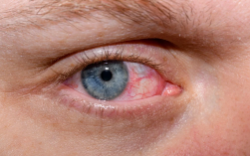
Dry Eye Syndrome in Delhi is a common eye condition that may cause burning, irritation, redness, watering, gritty sensations, and fluctuating vision. Long screen hours, air conditioning, pollution, contact lens use, and reduced blinking can affect the tear film. Recognizing symptoms early and arranging a professional eye examination can help identify the underlying cause and support better ocular comfort.
Understanding Dry Eye Symptoms
Dry eye symptoms can occur occasionally or remain persistent. Patients may experience itching, stinging, sensitivity to light, blurred vision, or watering. Reflex tearing can occur when the surface is irritated. An eye examination can determine whether symptoms are related to reduced tear production, rapid tear evaporation, eyelid problems, or environmental triggers. Anyone concerned about Dry Eye Syndrome in Delhi should seek professional assessment when discomfort continues. A timely consultation for Dry Eye Syndrome in Delhi can also help identify habits that may be worsening symptoms.
Causes and Risk Factors
Common risk factors include prolonged screen use, infrequent blinking, dry indoor air, pollution, age-related changes, some medicines, contact lenses, and eyelid inflammation. Regular breaks, hydration, sufficient sleep, and avoiding direct air may support comfort. Persistent symptoms should not be ignored, particularly when they affect reading, work, or daily activities. Professional advice for Dry Eye Syndrome in Delhi can help determine suitable management. Patients with recurring Dry Eye Syndrome in Delhi may benefit from scheduled follow-up.
Diagnosis and Management
An ophthalmologist may examine the tear film, cornea, eyelids, and overall ocular surface. Depending on the findings, management can include lubricating drops, warm compresses, eyelid hygiene, lifestyle changes, or other prescribed therapies. Treatment for Dry Eye Syndrome in Delhi should address the underlying cause instead of relying on a single remedy. Evaluation for Dry Eye Syndrome in Delhi can clarify management.
Understanding Cataracts
Cataracts occur when the natural lens becomes cloudy and gradually affects vision. Symptoms may include blurred vision, glare, difficulty seeing at night, faded colors, and frequent changes in spectacle power. When these problems interfere with everyday activities, an ophthalmologist may discuss surgery. People researching Cataract Surgery in Delhi should receive an individual assessment covering eye health, visual requirements, lens choices, and expected outcomes. A consultation before Cataract Surgery in Delhi helps clarify the procedure and recovery.
Before Cataract Surgery in Delhi, doctors evaluate the lens, cornea, retina, optic nerve, and ocular surface. Medical history and existing eye conditions may influence treatment planning. Patients planning Cataract Surgery in Delhi should discuss priorities. Medical history is important before Cataract Surgery in Delhi. Cataract treatment is not identical for every patient, so consultation before Cataract Surgery in Delhi is important.
Retinal Detachment: A Serious Condition
Retinal detachment occurs when the retina separates from its normal position and can threaten vision. Warning signs include sudden flashes, a sudden increase in floaters, a curtain-like shadow, or abrupt changes in vision. These symptoms require urgent ophthalmic evaluation rather than waiting for them to improve.
People searching for Retinal Detachment Surgery in Delhi should know that treatment depends on the location and extent of the retinal problem. Treatment may involve laser procedures for selected tears, pneumatic retinopexy, scleral buckle surgery, or vitrectomy. Early assessment can be important for protecting vision. Guidance for Retinal Detachment Surgery in Delhi depends on examination findings. Patients considering Retinal Detachment Surgery in Delhi should not delay assessment after sudden symptoms. Planning Retinal Detachment Surgery in Delhi depends on the retinal condition.
Importance of Regular Eye Examinations
Comprehensive examinations can identify changes involving the cornea, lens, retina, optic nerve, and other structures. Regular examinations are useful for people with risk factors.
For patients managing Dry Eye Syndrome in Delhi, examination can distinguish temporary irritation from persistent ocular surface problems. Those considering Cataract Surgery in Delhi may require measurements and a complete assessment before treatment. Patients with retinal risk factors should understand the urgency associated with warning signs and the importance of specialist evaluation. Prompt care for Retinal Detachment Surgery in Delhi can be important when an emergency is suspected. Retinal Detachment Surgery in Delhi requires timely specialist assessment.
Healthy Eye-Care Habits
Good habits can support eye comfort. Follow the 20-20-20 rule, maintain comfortable lighting, and take regular breaks. Contact lens users should follow recommended replacement schedules.
Individuals researching Dry Eye Syndrome in Delhi can discuss environmental triggers and tear-film management with an eye specialist. Those exploring Cataract Surgery in Delhi should focus on clinical evaluation and informed decision-making. Anyone seeking Retinal Detachment Surgery in Delhi after experiencing flashes, floaters, or shadows should seek prompt specialist care. Early referral for Retinal Detachment Surgery in Delhi can support timely treatment decisions.
Choosing Professional Eye Care
A reliable eye-care centre should provide diagnostic facilities, specialist expertise, clear communication, treatment planning, and follow-up.
At Shreya Eye Centre, patients can receive professional guidance for different eye-care concerns. Evaluation for Dry Eye Syndrome in Delhi can help identify contributing factors and suitable management. For patients requiring Cataract Surgery in Delhi, comprehensive assessment can support planning for Cataract Surgery in Delhi. When retinal warning signs occur, timely assessment concerning Retinal Detachment Surgery in Delhi may help protect vision.
Conclusion
Healthy vision depends on awareness and timely diagnosis. Persistent irritation, progressive blurring, glare, sudden flashes, or new floaters should not be ignored. Regular examinations support detection. Shreya Eye Centre provides patient-focused eye care with professional evaluation, guidance, treatment planning, and follow-up tailored to individual visual needs .