Why Simple Designs Still Solve Complicated Problems
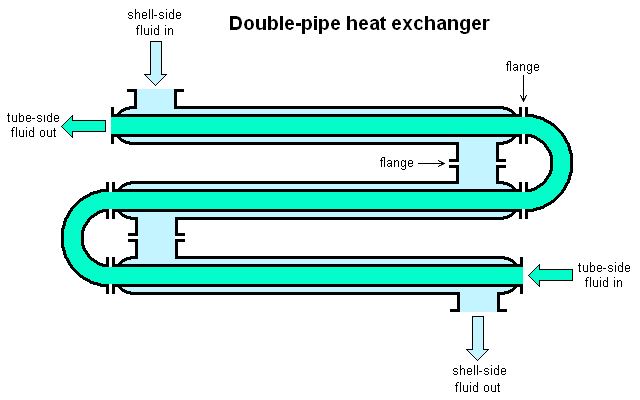
Look, not every heat transfer problem needs a complex solution. Sometimes the double pipe heat exchanger—about as straightforward as it gets—ends up being the right call when conditions don’t line up neatly for anything else. It’s two pipes, one inside the other, fluids flowing in opposite directions. That’s it. But don’t let the simplicity fool you.
What’s Actually Happening Inside the Unit
You’ve got one fluid moving through the inner pipe, another through the annular space between pipes. Counterflow design, typically. That arrangement gives you solid temperature control and predictable performance, especially when flow rates are moderate and pressures are higher than what plate and frame heat exchangers like to handle. It’s not fancy. It’s dependable.
Where Double Pipe Units Fit Best
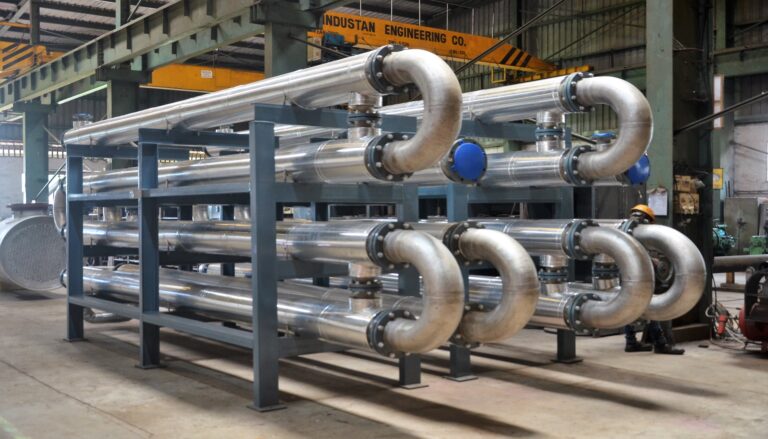
They tend to show up in services where flow rates aren’t massive but conditions are demanding—high pressure, high temperature, or both. You’ll see them in chemical processing lines, smaller refinery loops, or as trim coolers where precision matters more than sheer capacity. And because they’re modular, you can add or remove sections to match duty. That flexibility counts.
The Tradeoffs You Shouldn’t Ignore
Here’s the thing—capacity is limited compared to shell and tube heat exchangers. If you’re trying to move serious volume, double pipe isn’t going to carry the whole load without getting long, fast. Footprint becomes linear instead of compact. That can create layout headaches, especially in older Houston facilities where space wasn’t designed with future retrofits in mind.
Why Reliability Often Wins the Argument
But when you’re dealing with high pressures or aggressive fluids, reliability tends to outweigh compactness. Fewer moving parts. Fewer gasketed joints compared to plate exchangers. And a design that handles stress without a lot of drama. That’s a bigger deal than most people think—especially when downtime costs start stacking up by the hour.
You Don’t Pick These for Looks
You pick them because they keep running.
Houston Conditions Change the Equation
Down here, you’re not designing for ideal conditions. You’re dealing with heat, humidity, and process variability that doesn’t show up cleanly in design spreadsheets. So when someone specs a unit that barely meets duty on paper, you’ve got to ask—what happens when real-world conditions push back? That’s where conservative, proven designs like double pipe start making more sense.
Inventory Versus Waiting on a Build
Now let’s talk about the part nobody likes—lead times. When a unit fails, you’re not sitting around waiting 12 or 16 weeks for fabrication. Kinetic Engineering Corporation built its reputation as a heat exchanger distributor Houston facilities rely on by keeping inventory on hand. Not just one type—everything from double pipe to air cooled heat exchangers to spiral units. That’s the difference between a quick turnaround and extended downtime.
When Standard Units Don’t Quite Line Up
There are plenty of cases where even modular designs need adjustment. Flow conditions shift. Materials need upgrading. Pressure ratings get pushed. That’s when you start looking at a custom heat exchanger—something configured specifically for your service instead of forcing a standard unit to fit (and no, that’s not something you want to figure out after installation). Getting that right requires experience, not guesswork.
What Decades in Houston Actually Teaches You
Kinetic’s been operating since 1969. That’s not just a date—it means they’ve worked through multiple generations of plant expansions, equipment retrofits, and changing process demands across the Gulf Coast industrial corridor. They’ve seen what holds up and what doesn’t. And they’ve built inventory around that knowledge, not just what’s easy to sell.
The Bigger Picture: Choosing the Right Equipment
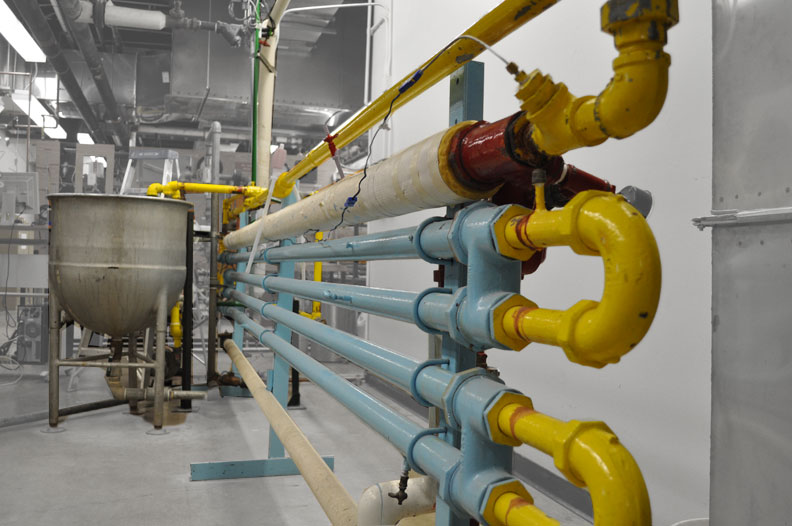
No single exchanger type solves everything. Plate units handle clean, compact duties. Shell and tube covers broad, heavy-service applications. Air cooled units step in where water isn’t practical. Double pipe fills a specific niche—moderate flow, high pressure, reliable performance. Knowing where that niche fits is what separates a good decision from an expensive mistake.
Making the Call Without Getting Burned
If you’re evaluating heat exchangers Houston operations depend on, don’t overcomplicate it. Match the equipment to the service, not the trend. If a double pipe exchanger makes sense, you’ll know it once you look at the conditions honestly. And if you want a straight answer from people who’ve been doing this longer than most suppliers have been around, call Kinetic Engineering Corporation. They’ve got the inventory, the range—from shell and tube heat exchangers to fired process heaters Houston plants rely on—and the experience to help you get it right the first time.
FAQ
When should I use a double pipe heat exchanger instead of shell and tube?
When flow rates are lower but pressures or temperatures are higher, and you need something simple and reliable.
Are double pipe exchangers easy to maintain?
Generally, yes. The design is straightforward, which makes inspection and cleaning more manageable than more complex units.
Can double pipe units handle corrosive fluids?
They can, depending on material selection. That’s something you’ll want to specify carefully based on your process.
How quickly can I get one in Houston?
With a stocking distributor like Kinetic, availability is often much faster than waiting on custom fabrication.