Packaging is often the first physical interaction a customer has with a product. While boxes, bags, and wrapping protect the contents, small finishing details can make packaging feel more professional and memorable. Gold seal stickers are a popular option for businesses that want to add a premium touch without redesigning their entire packaging system.
From luxury gift boxes and cosmetic packaging to wedding invitations and handmade products, custom gold seal stickers can communicate quality, create visual consistency, and help businesses establish a recognisable brand identity. Their versatility makes them suitable for small independent retailers as well as established e-commerce brands.
However, choosing the right sticker involves more than selecting a gold colour. Material, adhesive performance, printing quality, shape, size, and application surface all influence the final result. Understanding these factors helps businesses create packaging that looks attractive and performs reliably.
1. What Are Custom Gold Seal Stickers?
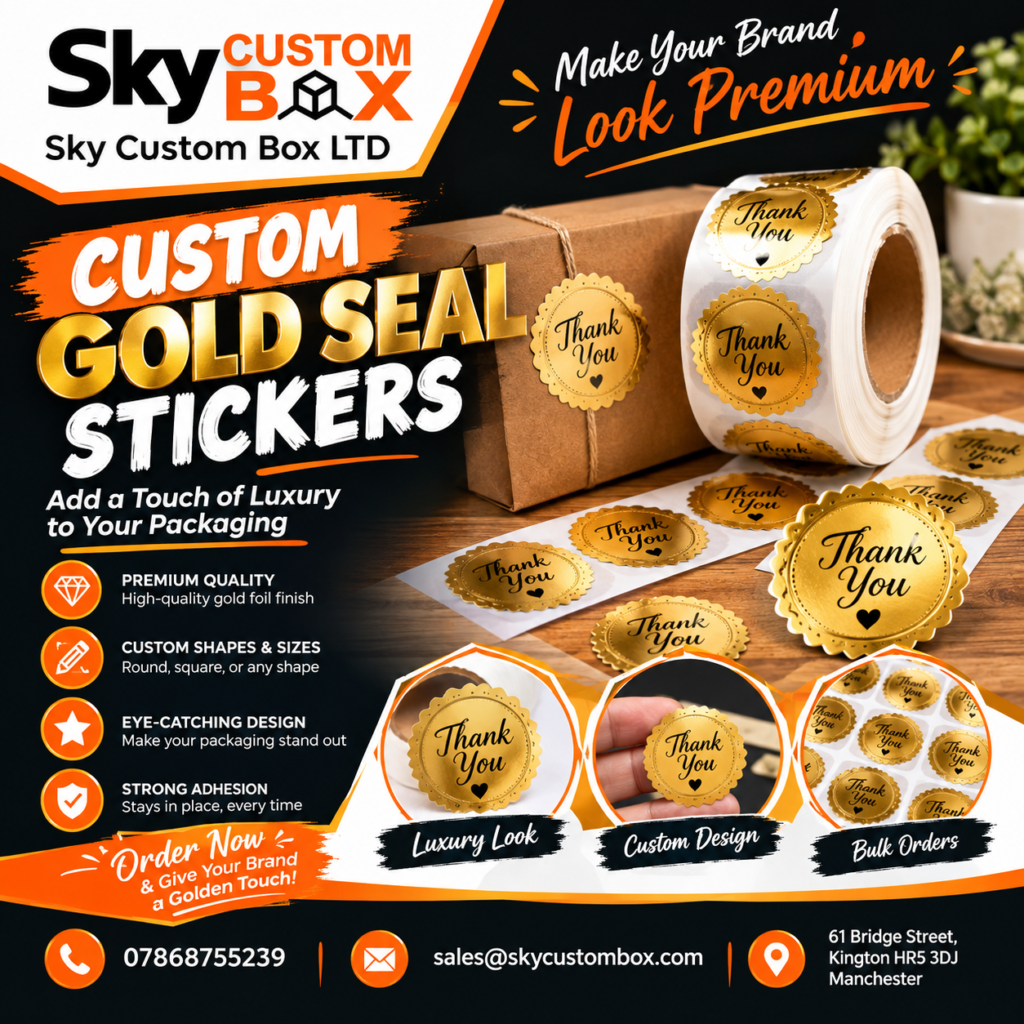
Gold seal stickers are decorative or functional adhesive labels designed with a gold-coloured appearance. Depending on the material and printing method, they may have a metallic shine, a brushed finish, a satin appearance, or a flat gold-coloured design.
Businesses use them to close packaging, display logos, communicate product details, or add decorative accents to retail products.
Popular Types of Gold Seal Stickers
Several formats are available, each offering different visual and practical benefits.
- Metallic gold stickers: Feature a reflective surface that creates a bright, premium appearance.
- Gold foil stickers: Use foil-based finishing to highlight logos, lettering, borders, or decorative elements.
- Matte gold stickers: Offer a more understated finish for minimalist packaging.
- Gold paper stickers: Provide a traditional appearance suitable for gift packaging, invitations, and craft products.
- Custom printed gold labels: Combine gold-coloured elements with text, branding, or other design features.
The best choice depends on the intended application. A luxury candle brand may prefer a metallic logo seal, while a handmade soap business might choose a simpler gold paper label that complements its natural packaging.
It is also important to distinguish between metallic gold printing and actual metallic foil. They can look different under lighting, so requesting a physical sample is useful when the finish is central to the brand’s identity.
Read More:
https://www.skycustombox.com/blog/
2. How Gold Seal Stickers Improve Product Packaging
Small packaging details can influence how customers perceive a product. Gold is commonly associated with celebration, quality, elegance, and exclusivity, making it a frequent choice for premium retail and gift packaging.
Creating a Premium Unboxing Experience
An unboxing experience includes every interaction a customer has when opening a parcel, from the outer shipping box to the final product presentation.
A gold seal placed over tissue paper, for example, can create a neat finishing detail. On a gift box, a gold sticker can help connect the lid, ribbon, or wrapping paper into one cohesive design.
These details are particularly useful for:
- Luxury gifts and seasonal hampers
- Perfume and cosmetic packaging
- Candle boxes and fragrance products
- Jewellery packaging
- Handmade crafts and artisan products
- Wedding favours and event stationery
- Boutique clothing and accessories
The sticker does not need to be large or elaborate. In many cases, a simple circular seal with a carefully positioned logo creates a cleaner appearance than a design containing too many decorative elements.
Strengthening Brand Recognition
Consistent packaging helps customers recognise a business across different products and sales channels. A company can use the same gold seal design on postal boxes, product bags, gift wrapping, and promotional materials.
For effective branding, businesses should maintain consistency in their logo, typography, colour palette, and overall visual style. The sticker should complement the packaging rather than compete with it.
For example, a black box with a gold logo seal may suit a premium fragrance brand, whereas a cream-coloured box with a subtle gold emblem may be more appropriate for a wedding stationery business.
3. Choosing the Right Materials, Adhesive and Sticker Design
A sticker’s appearance is only one part of its performance. The material and adhesive must suit the surface to which the sticker will be applied.
Selecting the Appropriate Material
Paper-based stickers can work well for indoor packaging, gift wrapping, and applications where an elegant finish is more important than moisture resistance.
Film-based materials may be more suitable when labels need greater resistance to handling, moisture, or surface wear. Their performance depends on the specific film, coating, and adhesive used.
When selecting a material, consider:
- Whether the packaging is made from cardboard, glass, plastic, or coated paper.
- Whether the product will be stored in a dry or humid environment.
- How frequently the packaging will be handled.
- Whether the sticker needs to remain intact during transport.
- Whether the finish should be glossy, matte, or metallic.
Not every adhesive works equally well on every surface. Textured paper, recycled cardboard, glossy coatings, and curved containers can all affect adhesion.
Read More:
Choosing the Right Size and Shape
Sticker dimensions should reflect both the packaging size and the intended purpose.
Common design options include:
- Round seals: Suitable for closing tissue paper, envelopes, and gift boxes.
- Square stickers: Useful for simple logos and geometric branding.
- Oval labels: Appropriate for decorative seals and product identification.
- Custom die-cut shapes: Useful for distinctive logos or brand-specific designs.
Before finalising the artwork, measure the area where the sticker will be applied. A seal that is too large may overwhelm the packaging, while a very small design can make text difficult to read.
If the sticker will close a box or wrap, ensure its size and adhesive strength are appropriate for that function. Decorative seals should not be treated as substitutes for secure shipping closures.
4. Customisation, Printing and Current Packaging Trends
Customisation allows businesses to adapt gold stickers to their product ranges, seasonal campaigns, and brand identities.
Personalised Logos and Messaging
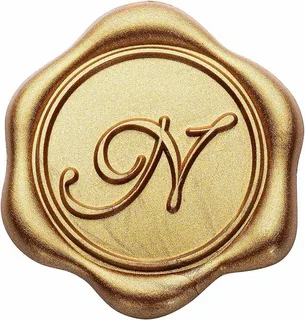
A sticker can contain a logo, initials, a short message, a product collection name, or a decorative pattern. Businesses may also develop different versions for holidays, limited-edition products, and special events.
For example, a bakery could use gold seals on gift boxes during festive periods, while a beauty brand might use a consistent logo sticker across its everyday packaging.
Designs should remain readable at their actual printed size. Fine lines and very small text can lose definition, particularly when combined with intricate metallic details.
Choosing a Suitable Printing Method
The printing method affects the sticker’s appearance, production cost, and suitability for different order quantities.
Digital printing can be useful for smaller runs, variable designs, and businesses testing new branding ideas. Foil stamping can create a distinctive metallic finish, while other printing techniques can reproduce gold-coloured graphics without using metallic foil.
When comparing suppliers, ask about:
- Available gold finishes and materials
- Minimum order quantities
- Artwork and file requirements
- Cutting precision
- Adhesive specifications
- Proofing and sample availability
- Production and delivery times
Small businesses may benefit from ordering a sample or a limited quantity before committing to a large production run. This allows them to evaluate the colour, adhesion, and finished appearance on their actual packaging.
Balancing Luxury and Sustainability
Sustainability is an important consideration for businesses choosing decorative packaging materials. A gold appearance does not automatically indicate whether a sticker is recyclable or environmentally preferable.
Metallic films, foil layers, coatings, and adhesives may affect the recycling process. The overall packaging design also matters because a sticker attached to cardboard may be treated differently depending on its materials and local recycling facilities.
Businesses seeking lower-impact options should ask suppliers for specific material information, consider paper-based alternatives where suitable, and avoid making unsupported environmental claims.
A practical approach is to use decorative stickers selectively, choosing a finish that achieves the desired appearance without adding unnecessary packaging components.
Read More:
5. Common Mistakes to Avoid When Using Gold Seal Stickers
Even a well-designed sticker can create problems if it is not suited to the packaging or application process.
Using the wrong adhesive: A sticker may lift from textured or coated surfaces. Test the adhesive on the intended material before placing a large order.
Overcomplicating the design: Too many fonts, decorative borders, and competing colours can reduce readability. Prioritise the logo or main message.
Ignoring application conditions: Dust, oil, moisture, and uneven surfaces can affect adhesion. Apply stickers to clean, dry surfaces according to the manufacturer’s instructions.
Choosing appearance over function: A decorative seal may improve presentation but may not provide enough strength to keep a heavy package securely closed.
Failing to test printed samples: Digital mock-ups cannot fully reproduce metallic reflection, paper texture, or real-world colour. Physical samples help reveal these differences.
Businesses should also consider the time required to apply stickers manually. For larger fulfilment operations, sticker dimensions, roll format, and application method can influence packing speed and consistency.
6. Where Businesses Can Use Custom Gold Seal Stickers
Gold seal stickers are suitable for a wide range of commercial and personal applications because they can be adapted to different packaging styles.
E-commerce retailers can use them to finish tissue-wrapped orders or add a branded detail inside shipping boxes. Gift shops can incorporate them into wrapping paper and gift bags. Candle and cosmetics businesses can use gold labels to complement premium product cartons, while event planners may choose personalised seals for invitations, wedding favours, and celebration packaging.
Independent makers can also use stickers as a flexible branding option. Rather than investing immediately in fully printed packaging, they can combine standard boxes with custom labels to create a consistent appearance across several product lines.
Businesses researching bespoke sticker and packaging options may explore providers such as Sky Custom Box when comparing available materials, finishes, and customisation services. As with any supplier, checking specifications, samples, order quantities, and delivery arrangements helps ensure the selected product meets the intended requirements.
Conclusion
Custom gold seal stickers offer a versatile way to enhance packaging, reinforce brand identity, and create a more polished customer experience. Their applications range from simple gift wrapping to luxury retail cartons, product labels, and event stationery.
CONTACT US:
ABOUT US:
Social Media: