Look, I’ve been around trailers and builds long enough to know the stock stuff off a lot rarely fits what people actually need. You go in wanting one thing, they hand you the closest match, and six months later you’re retrofitting brackets onto a frame that was never built for your load. Custom built equipment trailers exist because your equipment, your terrain, and your hauling habits are not the same as the next guy’s. A landscaper hauling skid steers needs something totally different than a contractor moving a tiny home trailer across state lines. Stock trailers are built for the “average” buyer. Problem is, nobody’s actually average.
What Makes a Trailer “Custom Built” Anyway
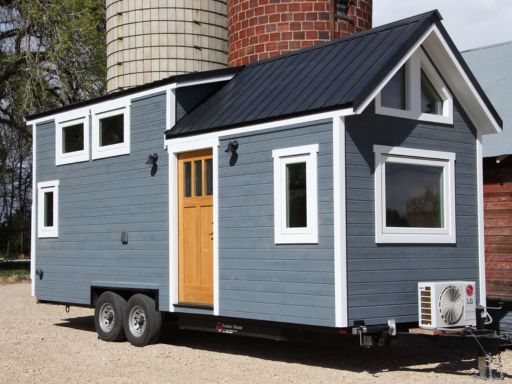
People throw the word custom around loosely these days, and honestly it’s gotten a little diluted. A real custom build starts with your specs, not a catalog. Axle placement, deck height, tongue weight, ramp style, all of it gets worked out before a single weld happens. We’ve built trailers meant to carry mini excavators through mud that would’ve bogged down a regular flatbed. We’ve also built tiny home trailer chassis rated for full ADU builds, which is a whole different animal than your average utility trailer. The frame has to handle static weight sitting still for years, not just moving weight on a highway. That difference alone trips up a lot of builders who don’t specialize in it.
Where Tiny House Experts Come Into the Picture
This is where things get interesting, and it’s honestly why we ended up doing both. Tiny house experts aren’t just carpenters who know how to frame a wall inside 300 square feet. A good one understands trailer engineering just as much as they understand cabinetry. You can’t build a beautiful tiny home on a trailer that flexes wrong or wasn’t rated for the dead load sitting on top of it. I’ve seen gorgeous builds fail inspection, or worse, start sagging within a year, because the trailer underneath wasn’t built by someone who actually understood tiny house code requirements. It’s not glamorous work, the trailer part, but it’s the part that keeps the whole structure from becoming a liability.
Tiny House Code Isn’t Optional, Even Though People Treat It That Way
I’ll be blunt here. A lot of folks treat tiny house code like a suggestion, something you deal with later if an inspector asks. That’s backwards thinking, and it costs people real money down the line. Code requirements touch everything, from trailer axle rating to how the home attaches to the frame to weight distribution front to back. An ADU builder who ignores code early ends up rebuilding later, which is way more expensive than doing it right the first time. When we spec a custom trailer for a tiny home, code isn’t an afterthought, it’s baked into the frame design from day one.
ADU For Sale Listings Are Only As Good As What’s Underneath
If you’re browsing ADU for sale listings right now, and a lot of people are, do yourself a favor and ask about the trailer or foundation before you fall in love with the finishes. Nice countertops don’t matter much if the chassis underneath was an afterthought. A properly built ADU on a custom trailer should move without stress cracks forming in the drywall, without doors sticking after a rough tow. That’s the tell. If a seller can’t answer questions about axle rating or frame gauge, that’s worth pausing on. Good listings usually come from builders who treat the trailer as seriously as the living space itself.
Equipment Trailers Built for Actual Work, Not Just Hauling
Now back to the equipment side, because this part matters just as much. A custom built equipment trailer isn’t just about hauling from point A to B. It’s about surviving the actual work environment. Ramps that hold up under repeated loading and unloading, decking that doesn’t warp from constant exposure, tie-down points placed where you’d actually use them instead of where it’s convenient to weld them. We’ve had customers come to us after their third trailer failure in two years, usually because they bought based on price instead of use case. Custom built doesn’t have to mean expensive, but it does mean thoughtful.
Pairing an ADU Builder with the Right Trailer Partner
If you’re working with an ADU builder on a tiny home project, ask early who’s handling the trailer. Some builders sub it out to whoever’s cheapest, which honestly shows later. Others, and this is what you want, partner with people who specialize specifically in tiny house trailers and understand both the structural side and the code side together. It saves headaches, it saves inspections from turning into arguments, and it saves you from paying twice for the same problem. The best builds come from people talking to each other early, not fixing miscommunication after the fact.
Bringing It All Together
At the end of the day, whether you’re hauling equipment across job sites or building out a tiny home from the ground up, the trailer underneath is doing more work than most people give it credit for. It’s not the flashy part of the build, nobody posts photos of axle welds on Instagram, but it’s the part that determines whether everything on top of it lasts. Work with people who actually specialize in this, whether that’s custom built equipment trailers for your job site or tiny house experts who know code inside and out. Cutting corners here shows up later, always. Spend the time getting it right at the start, and you won’t be thinking about the trailer again for years. That’s kind of the whole point.