Improve patient communication, appointment scheduling, and healthcare workflow efficiency with advanced CRM for Clinics and Hospitals solutions.
In today’s digital healthcare environment, patient expectations are changing rapidly. Patients now expect faster communication, easy appointment booking, organized medical records, and better healthcare experiences. At the same time, hospitals and clinics are under pressure to improve operational efficiency while maintaining high-quality patient care. This is where a modern CRM for Clinics and Hospitals becomes an essential solution.
A healthcare CRM is not just a patient database. It is a complete system that helps healthcare providers manage patient interactions, appointments, follow-ups, marketing communication, feedback, and administrative operations in a centralized platform. From small clinics to large multi-specialty hospitals, CRM systems are helping healthcare organizations improve patient engagement and streamline workflows.
Healthcare studies indicate that using digital CRM solutions can help hospitals improve patient communication, build stronger patient relationships, and deliver more efficient healthcare services.
Healthcare institutions are now combining CRM tools with a strong Hospital Management Information System to create a smarter and more connected healthcare ecosystem. Platforms like Hosval are helping hospitals adopt integrated digital solutions for improved operational efficiency and patient care.
What is CRM for Clinics and Hospitals?
A CRM for Clinics and Hospitals is a digital system designed specifically for healthcare organizations to manage patient relationships, communication, and operational processes. Unlike traditional CRM software used in retail or sales industries, healthcare CRM systems focus on patient experience, appointment coordination, medical communication, and healthcare workflow automation.
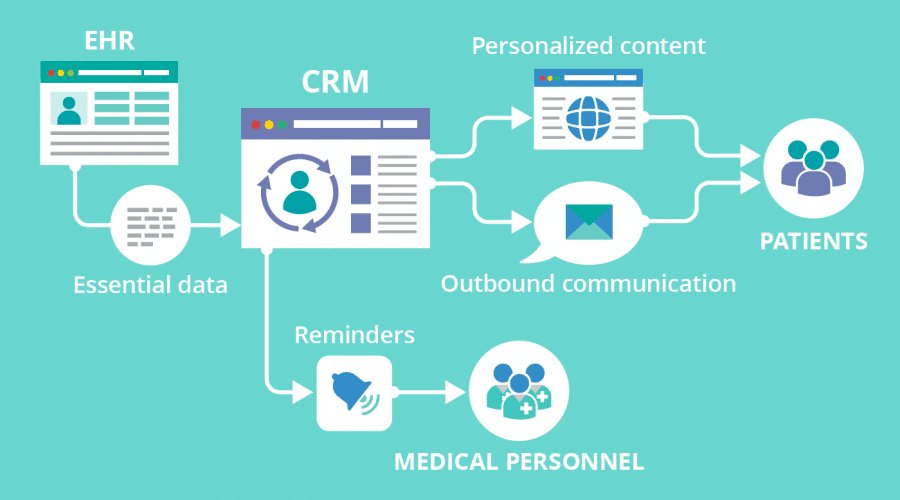
The system stores patient details securely and helps hospitals track appointments, inquiries, treatment history, follow-ups, and patient feedback in one place. It also helps healthcare providers maintain continuous communication with patients through SMS alerts, email reminders, and automated notifications.
Modern healthcare CRM solutions are often integrated with electronic medical records, billing systems, telemedicine platforms, and appointment scheduling tools. This creates a seamless experience for both healthcare providers and patients.
Why Healthcare Organizations Need CRM Systems
Healthcare management has become more complex than ever before. Hospitals now handle thousands of patient interactions daily across multiple departments. Manual record management and disconnected systems often create delays, communication gaps, and administrative errors.
A well-designed CRM for Clinics and Hospitals helps healthcare providers overcome these challenges by improving communication, automating repetitive tasks, and organizing patient information efficiently.
Patients also expect healthcare services to be convenient and digitally accessible. They want appointment reminders, instant responses, easy follow-ups, and faster service. A CRM platform helps hospitals meet these expectations while reducing the workload on administrative staff.
Healthcare organizations that use digital CRM systems can also improve patient trust and long-term retention. Better communication and personalized care experiences encourage patients to continue treatment within the same healthcare network.
Key Features of CRM for Clinics and Hospitals
Patient Data Management
One of the most important features of a CRM for Clinics and Hospitals is centralized patient data management. The system stores patient contact details, appointment history, medical interactions, feedback records, and communication logs securely in one platform.
This helps doctors and administrative teams access important patient information quickly without relying on manual paperwork.
Appointment Scheduling and Management
Appointment scheduling is a critical part of healthcare operations. CRM systems simplify booking processes and reduce scheduling conflicts.
Integrated Online Appointment Management allows patients to book appointments digitally while hospitals can manage doctor schedules more efficiently. Automated reminders also help reduce missed appointments and improve patient attendance.
Healthcare facilities that use digital appointment systems often experience shorter waiting times and better patient satisfaction.
Automated Patient Communication
Effective communication is an important part of delivering a positive and satisfying patient experience. CRM systems automate communication through SMS alerts, email notifications, WhatsApp integration, and appointment reminders.
Hospitals can send follow-up messages, vaccination reminders, prescription updates, and health awareness campaigns directly to patients. Automated communication improves patient engagement while reducing manual administrative work.
Lead and Inquiry Management
Many hospitals receive inquiries through websites, advertisements, social media, and phone calls. A healthcare CRM tracks all inquiries and helps hospitals manage patient leads effectively.
The system ensures that every patient inquiry receives proper follow-up, helping healthcare organizations improve conversion rates and patient acquisition.
Feedback and Review Management
Patient feedback plays an important role in helping healthcare providers enhance service quality and improve overall patient care experiences. CRM systems allow hospitals to collect feedback digitally after consultations or treatments.
This helps healthcare providers identify service gaps, improve patient satisfaction, and maintain a strong reputation in the healthcare industry.
Integration with Hospital Systems
Modern CRM solutions integrate with billing software, EMR platforms, telemedicine systems, and the Hospital Management Information System used by healthcare organizations.
Integrated systems reduce duplication of work and improve coordination between departments. According to healthcare technology research, centralized digital systems improve operational efficiency and support better decision-making in hospitals.
Benefits of CRM for Clinics and Hospitals
Improved Patient Experience
The biggest advantage of a CRM for Clinics and Hospitals is improved patient experience. Patients receive timely communication, appointment reminders, and faster responses to inquiries.
When healthcare services become more organized and patient-friendly, overall satisfaction increases significantly.
Better Operational Efficiency
Healthcare staff often spend hours managing paperwork, scheduling appointments, and handling repetitive communication tasks. CRM systems automate many of these activities, allowing staff to focus more on patient care.
This increases operational productivity and reduces administrative burden.
Higher Patient Retention
Maintaining strong patient relationships plays a key role in supporting long-term growth and stability in the healthcare industry. CRM systems help hospitals maintain continuous relationships with patients through personalized communication and follow-up services.
Patients are more likely to return to healthcare providers that offer organized and responsive services.
Reduced Appointment No-Shows
Missed appointments create revenue loss and scheduling disruptions. Automated reminders through SMS and email help reduce no-show rates significantly.
Digital scheduling tools and Online Appointment Management also make it easier for patients to reschedule appointments when necessary.
Improved Data Accuracy
Manual data entry often leads to errors and incomplete records. CRM systems maintain organized and centralized patient information, reducing mistakes and improving healthcare accuracy.
Enhanced Marketing and Outreach
Healthcare CRM platforms also support healthcare marketing campaigns. Hospitals can send health awareness messages, preventive care reminders, and promotional updates to targeted patient groups.
This improves patient engagement and helps healthcare providers build stronger community relationships.
Implementation of CRM for Clinics and Hospitals
Implementing a modern CRM for Clinics and Hospitals requires proper planning, technical expertise, and a clear digital transformation strategy. Healthcare organizations should first identify operational challenges, communication gaps, and patient management issues before adopting a CRM solution. A well-planned implementation process helps hospitals improve efficiency, patient engagement, and long-term operational performance.
Assessing Organizational Needs
Every healthcare organization has different operational requirements. Small clinics may need basic appointment scheduling and patient communication tools, while large healthcare institutions may require advanced automation, analytics, and multi-department integration through a comprehensive CRM for Clinics and Hospitals.
Before implementation, hospitals should carefully evaluate their existing workflows and identify areas where CRM technology can improve patient management, communication, and administrative efficiency.
Selecting the Right CRM Platform
Choosing the right technology partner is one of the most important steps in implementing a CRM for Clinics and Hospitals. Healthcare providers should look for CRM platforms that offer scalability, strong security features, healthcare-specific functionalities, and easy-to-use interfaces.
Hospitals should also ensure that the CRM system integrates smoothly with existing hospital software, billing systems, and operational tools to create a seamless healthcare management environment.
Staff Training and Adoption
Technology implementation becomes successful only when employees understand how to use the system effectively. Proper training sessions should be conducted for doctors, nurses, administrative staff, and support teams to ensure smooth adoption of the CRM for Clinics and Hospitals platform.
Simple user interfaces, technical support, and continuous guidance help healthcare organizations improve staff confidence and increase system adoption rates.
Data Migration and Security
Healthcare data is highly sensitive and requires advanced protection measures. During implementation, hospitals must ensure secure migration of patient records and compliance with healthcare data privacy regulations.
Modern CRM for Clinics and Hospitals solutions use encryption, secure access controls, and data protection technologies to maintain patient confidentiality and system security.
Continuous Monitoring and Optimization
Healthcare organizations should regularly monitor CRM performance after implementation to ensure long-term efficiency. Patient feedback, workflow analysis, and employee input can help identify areas for improvement.
Continuous monitoring and optimization help a CRM for Clinics and Hospitals adapt to changing healthcare requirements while supporting organizational growth, better patient experiences, and operational excellence.
The Future of CRM in Healthcare
Healthcare technology is evolving rapidly, and CRM systems are becoming smarter with artificial intelligence, automation, and analytics capabilities.
Future healthcare CRM platforms will offer predictive analytics, AI-powered chatbots, automated patient engagement tools, and advanced reporting systems. These technologies will help hospitals provide more personalized and proactive healthcare services.
Integration between CRM systems, telemedicine platforms, wearable devices, and digital healthcare applications will continue to improve healthcare accessibility and patient convenience.
As digital transformation becomes a priority, the role of CRM for Clinics and Hospitals will become even more important in improving healthcare delivery and operational efficiency.
Challenges in CRM Adoption
Although CRM systems provide many benefits, some healthcare organizations still face implementation challenges. Budget limitations, resistance to technology adoption, and lack of staff training can slow down digital transformation.
Some hospitals also struggle with integrating older systems into modern digital platforms. However, with proper planning and expert guidance, these challenges can be managed effectively.
Healthcare organizations should focus on long-term operational improvements rather than short-term implementation costs. When implemented effectively, a CRM for Clinics and Hospitals can help healthcare organizations improve patient coordination, streamline daily operations, and increase overall workplace efficiency.
Conclusion
The healthcare industry is moving toward smarter, patient-focused digital systems. A modern CRM for Clinics and Hospitals helps healthcare providers improve patient communication, streamline administrative operations, reduce manual workload, and deliver better healthcare experiences.
From appointment scheduling and patient engagement to marketing automation and workflow management, CRM technology is becoming an essential part of modern healthcare infrastructure. When integrated with advanced hospital software and digital healthcare systems, CRM platforms help hospitals operate more efficiently while improving patient satisfaction.
Healthcare organizations looking for reliable digital transformation solutions can explore advanced healthcare technologies offered by Hosval. Their healthcare software and consulting solutions support hospitals and clinics with CRM integration, hospital automation, patient engagement systems, and scalable digital healthcare management tools designed to improve operational performance and patient care.
Source Url: https://banglacaption.cloud/crm-for-clinics-and-hospitals-features-benefits-and-implementation/