Common Mistakes First-Time Seiko Buyers Make
One of the most frequent mistakes new buyers make is choosing a watch purely on dial design or case shape without understanding what’s powering it. Seiko’s catalog spans quartz, automatic, Spring Drive, and Kinetic movements, each with different maintenance needs and functional characteristics. A buyer expecting the smooth, ticking silence of a quartz movement might be surprised by the audible mechanical sound of an automatic caliber, or someone hoping to avoid ever touching the crown might not realize an automatic seikowatches occasionally needs manual winding if left unworn for a few days.
Assuming Every “Diver-Style” Watch Is Actually Dive-Rated
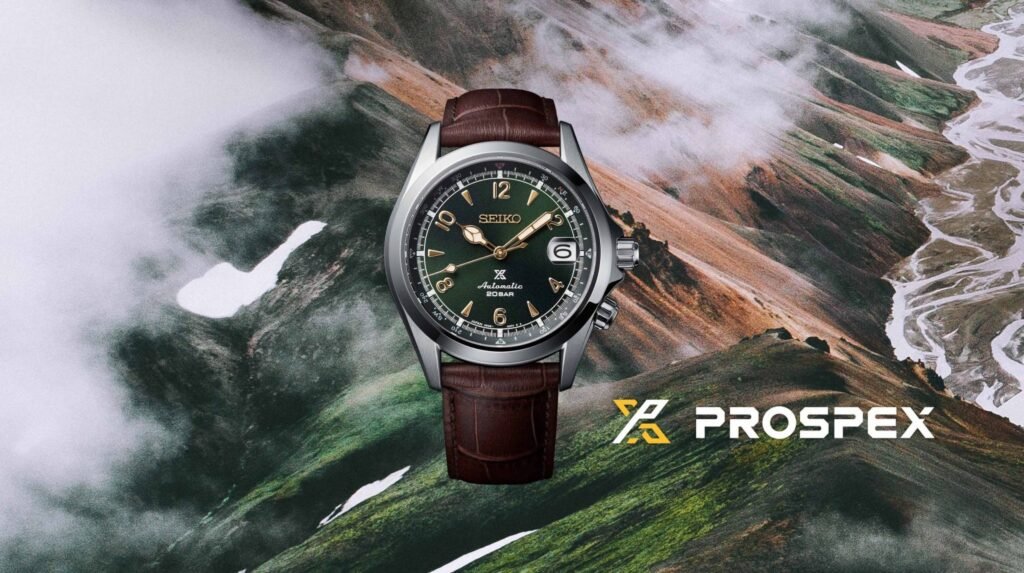
Seiko produces plenty of watches with dive-inspired aesthetics — rotating bezels, bold indices, sporty cases — that aren’t actually built to genuine dive watch standards. Only specific references within the Prospex line, which traces its lineage back to Seiko’s first true diver’s watch in 1965, meet the water resistance and pressure tolerance expected for actual underwater use. Buyers planning to swim or dive regularly should always check the specific model’s certification rather than assuming a rugged appearance guarantees real dive capability.
Ignoring Case Size Relative to Wrist Size
Many first-time buyers get drawn in by photos without considering actual proportions on their own wrist. Seiko’s Prospex and sport-oriented models often run large, frequently in the 42mm to 46mm range, which can look and feel dramatically different on a smaller wrist than in a product photo. Checking case diameter, lug-to-lug length, and thickness against a similarly sized watch already owned is a simple way to avoid an uncomfortable surprise after purchase.
Skipping Authenticity Checks on Third-Party Listings
Because Seiko is sold through such a wide range of retailers, from authorized dealers to casual online marketplaces, counterfeit and misrepresented listings are more common than many buyers expect. Skipping basic verification steps — checking seller reputation, comparing reference numbers against official documentation, and reviewing detailed photos of the movement and dial — increases the risk of ending up with a fake or significantly misrepresented watch, particularly for popular references like Prospex divers.
Misunderstanding Automatic Movement Behavior
New automatic watch owners sometimes assume something is broken when the watch stops running after a day or two of not being worn. This is completely normal behavior, not a defect — automatic movements rely on wrist motion to stay wound, and most carry power reserves in the 40 to 48-hour range before stopping. Understanding this upfront prevents unnecessary confusion or an unwarranted trip to a watchmaker for what is simply expected mechanical behavior.
Overpaying Without Comparing Retailers
Because Seiko watches are widely available through multiple channels, pricing can vary meaningfully between authorized dealers, department stores, and online retailers. Buyers who purchase from the first listing they find, without comparing a few reputable sources, sometimes pay more than necessary for the exact same reference. Taking a few extra minutes to compare pricing across verified sellers is a simple step that can meaningfully affect the final cost.
Neglecting Water Resistance Ratings in Daily Use
Even buyers who aren’t planning to swim sometimes https://seikowatchus.com/presage/ misunderstand what their watch’s water resistance rating actually covers. A 30-meter rating is generally splash-resistant only, not safe for showering or swimming, while a 50-meter rating typically handles light exposure like handwashing or rain but still isn’t intended for swimming. Treating any water resistance rating as a green light for full submersion, regardless of the specific number, is a common and potentially costly mistake.
Forgetting About Long-Term Movement Servicing
First-time buyers, particularly those purchasing their first automatic or mechanical Seiko, often don’t anticipate that movements benefit from professional servicing every three to five years, even if the watch appears to be running fine. Skipping this maintenance for too long can lead to unnecessary wear from degraded lubrication, turning a preventable service visit into a more expensive repair down the line.
Adjusting the Crown Underwater or While Wet
A surprisingly common mistake involves adjusting the time or date while the watch is wet or submerged, which can compromise water resistance regardless of the watch’s official rating. Crown adjustments should always be made when the watch is completely dry, since seals are more vulnerable to water intrusion during the moment the crown is pulled out or unscrewed.
Not Researching Reference Numbers Before Buying Secondhand
Seiko’s reference numbering system encodes meaningful information about movement type, case series, and specific variant details. Buyers shopping secondhand who skip researching the exact reference number sometimes end up purchasing a watch with different specifications than they assumed, particularly when comparing listings with similar-looking but not identical model codes.
Final Thoughts
Most mistakes first-time Seiko buyers make come down to incomplete research rather than any flaw in the watches themselves. Understanding movement type, verifying authenticity, checking true water resistance capability, and setting realistic expectations around automatic movement behavior all go a long way toward avoiding buyer’s remorse. With some basic groundwork, new buyers can sidestep these common pitfalls and get the kind of long-term satisfaction Seiko’s reputation for reliability is actually built on.