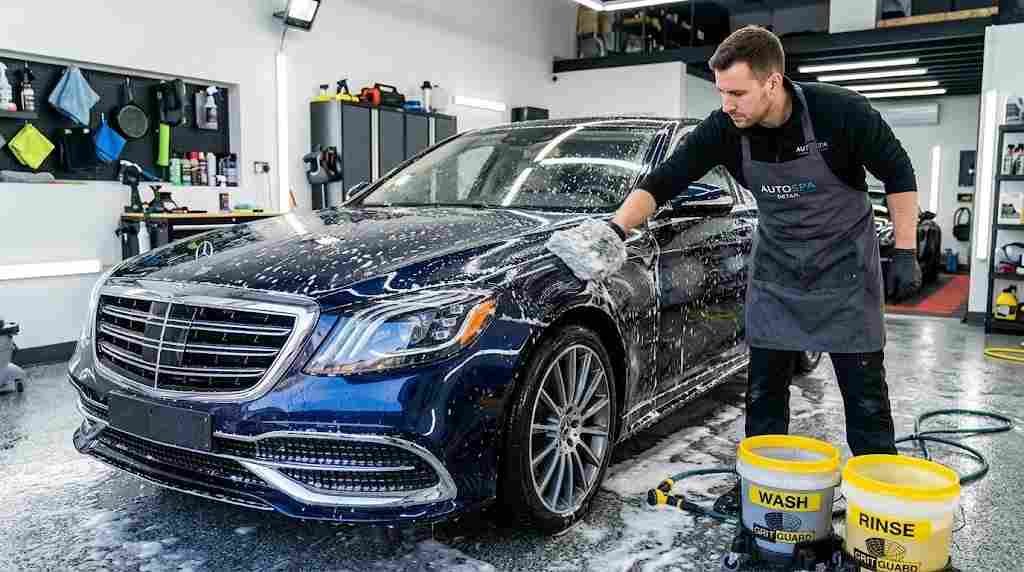
Washing your car regularly is one of the simplest ways to keep it looking clean, fresh, and well-maintained. However, what seems like a harmless cleaning routine can actually damage your vehicle’s paint if you use the wrong products, tools, or techniques. Over time, small mistakes can lead to scratches, swirl marks, fading, and a dull finish that becomes increasingly difficult to restore.
Many car owners spend money on quality automotive paint, protective coatings, and professional detailing but unknowingly damage the finish every time they wash their vehicles. For example, using an old sponge, washing under direct sunlight, or wiping away dust with a dry cloth can leave tiny scratches on the surface. If these problems continue, you may eventually need help from an Auto paint repair shop Calgary to restore your vehicle’s appearance.
The good news is that protecting your car’s paint does not require expensive equipment or complicated techniques. By understanding common car washing mistakes and learning how to avoid them, you can maintain a glossy finish, protect your vehicle’s value, and reduce the need for unnecessary paint repairs. Let’s explore the habits that can damage automotive paint and the simple changes that make car washing safer.
1. Using the Wrong Cleaning Products
One of the most common car washing mistakes is using household cleaning products instead of a dedicated automotive shampoo.
Dishwashing liquid, laundry detergent, and general-purpose household cleaners may remove dirt effectively, but they are not formulated specifically for automotive paint. Depending on their ingredients and concentration, these products can strip protective waxes or sealants, leave residue, or affect exterior trim and other finishes.
How to avoid this mistake
Choose a pH-balanced car shampoo designed for automotive surfaces. These products help loosen dirt while supporting a safer washing process.
Before using any cleaning product, check its label to confirm that it is suitable for your vehicle’s paint and protective coating. Avoid harsh chemicals, abrasive cleaners, and unapproved solvents.
If your car has a ceramic coating or a specialized paint protection product, follow the manufacturer’s cleaning recommendations to help preserve its performance.
2. Washing Your Car in Direct Sunlight
Washing a car under strong sunlight may seem convenient, especially during summer, but it can make cleaning more difficult and increase the risk of water spots.
When the body panels are hot, water and cleaning solutions can evaporate quickly. This may leave mineral deposits, soap residue, and visible marks on the paint. If hard water dries on the surface, its mineral content can become particularly difficult to remove.
Repeatedly rubbing dried residue to remove it can also introduce fine scratches.
The better approach
Whenever possible, wash your vehicle in a shaded area during cooler parts of the day. Early morning or late afternoon can be suitable, provided the surface is not excessively hot.
Work on one section at a time, rinse thoroughly, and dry the vehicle promptly using a clean microfiber drying towel. If you must wash your car in sunlight, keep the panels cool and avoid allowing soap or water to dry on the surface.
3. Using Dirty Sponges and Towels
Your washing equipment plays a major role in determining whether your cleaning routine protects or damages automotive paint.
A sponge or towel that has collected grit, sand, and road debris can act like fine sandpaper when rubbed against the vehicle. Even particles that are difficult to see can create scratches and swirl marks.
Old towels may also develop rough edges, while poorly maintained washing mitts can trap abrasive particles deep within their fibers.
Choose safer washing tools
Use a clean, soft microfiber wash mitt or another tool specifically designed for automotive cleaning. Keep separate microfiber towels for washing, drying, wheels, and other dirty areas.
Never use a towel that has been dropped on the ground without washing it first. Wash microfiber materials separately from lint-producing fabrics, avoid fabric softeners, and follow the manufacturer’s laundering instructions.
Inspect your tools before each wash. Replacing worn or contaminated equipment is much cheaper than correcting avoidable paint damage.
4. Using One Bucket for the Entire Car
Another frequent mistake is washing the entire vehicle with a single bucket of soapy water.
As you clean the body, dirt and grit accumulate in the water and on your wash mitt. If you repeatedly dip the same mitt into the bucket, you may transfer those particles back onto the paint.
This can create fine scratches, particularly on darker-colored vehicles, where swirl marks are often easier to notice.
Use the two-bucket washing method
The two-bucket method is a practical way to reduce the transfer of dirt.
- Bucket one: Fill it with water and automotive shampoo according to the product instructions.
- Bucket two: Fill it with clean rinse water.
- Dip your wash mitt into the shampoo, clean a small section, and rinse the mitt thoroughly in the second bucket before collecting more shampoo.
Grit guards can provide additional help by keeping settled particles away from the mitt, although they do not eliminate every risk.
For the safest results, work from the cleaner upper panels toward the dirtier lower sections of the vehicle.
5. Scrubbing Away Dirt Too Aggressively
It is tempting to apply extra pressure when dealing with bird droppings, dried mud, tree sap, or stubborn road grime. Unfortunately, aggressive scrubbing can damage the clear coat, the transparent protective layer that sits over most modern automotive paint.
Applying pressure does not necessarily remove contamination more effectively. Instead, it can drag abrasive particles across the surface and leave permanent-looking marks.
How to remove stubborn contamination safely
Start by rinsing the affected area thoroughly to remove loose dirt. Allow an appropriate automotive cleaning product to soften the contamination before gently wiping it away.
For dried bird droppings, place a clean, damp microfiber towel over the spot for a short period to help soften the residue. Use a suitable cleaner if necessary, and avoid scraping it off with fingernails, blades, or abrasive pads.
Tree sap and tar may require specialized automotive removers. Follow the product directions and test it in an inconspicuous area when appropriate.
If contamination does not come off easily, stop and choose a suitable treatment rather than increasing the pressure.
6. Skipping the Pre-Rinse
Starting directly with a wash mitt is another mistake that can compromise your car’s finish.
Road dust, loose sand, dried mud, and other debris can remain on the surface even when the vehicle looks only slightly dirty. Moving a mitt over these particles may drag them across the paint.
Why pre-rinsing matters
Before applying shampoo, rinse the vehicle thoroughly with clean water. Pay particular attention to wheel arches, rocker panels, bumpers, and lower doors, where road grime tends to accumulate.
For heavily soiled vehicles, a suitable automotive pre-wash product or foam cleaner can help loosen dirt before contact washing.
Remember that foam alone does not guarantee a scratch-free wash. The goal is to remove as much loose contamination as possible before touching the paint.
7. Drying the Car With an Old Bath Towel
Drying is just as important as washing. Unfortunately, many car owners use ordinary bath towels, rough cloths, or whatever fabric happens to be available.
These materials may be too abrasive, hold dirt from previous use, or leave lint behind. Rubbing a towel across wet paint can also create scratches if grit remains on the surface.
Allowing the car to air-dry is not always ideal either, especially in areas with hard water, because mineral deposits may form as droplets evaporate.
The correct drying technique
Use a clean, soft microfiber drying towel designed for automotive surfaces. After rinsing, gently blot or glide the towel over the paint with minimal pressure, following the towel manufacturer’s recommended technique.
Avoid repeatedly rubbing the same area. If the towel becomes visibly dirty, replace it with a clean one.
A filtered rinse or suitable car-drying aid may help reduce water spots, depending on your water quality and the product used.
8. Using Automatic Car Washes Without Considering the Risks
Automatic car washes are convenient, particularly when you have limited time. However, not all car washes use the same cleaning methods, and some can be harder on paint than others.
Older or poorly maintained brush systems may collect dirt from previous vehicles. If abrasive particles remain in the equipment, they can contribute to fine scratches and swirl marks.
Touchless car washes avoid direct brush contact, but they may use stronger cleaning chemicals to remove stubborn dirt. The effects depend on the products, their concentration, and how frequently they are used.
How to choose a safer car wash
If you prefer an automatic wash, look for a well-maintained facility with a good cleaning process. Consider a touchless option if minimizing contact is your priority, while recognizing that it may not remove every type of contamination.
Follow the vehicle manufacturer’s guidance for exterior accessories, antennas, roof racks, and protective finishes. If your car has a delicate wrap, specialty coating, or recently repaired paint, ask the installer or repair professional which washing methods are appropriate.
For a vehicle with valuable paintwork, careful hand washing with clean tools may offer greater control over the process.
9. Ignoring Bird Droppings, Tree Sap, and Road Contaminants
Not all paint damage comes from washing itself. Sometimes, the problem begins when harmful contaminants remain on the surface for too long.
Bird droppings can contain corrosive compounds, while tree sap and insect residue may become increasingly difficult to remove as they dry. Road salt can also contribute to corrosion when it reaches exposed metal or existing paint chips.
Heat and sunlight can make some contaminants more damaging or harder to clean.
Build a regular cleaning routine
Remove bird droppings, insects, and fresh sap as soon as it is practical and safe to do so. Use appropriate automotive cleaners rather than scraping or dry-wiping the residue.
During winter, wash away road salt regularly, including accessible areas beneath the vehicle where appropriate. Check for paint chips, peeling edges, and exposed metal, since washing alone cannot repair existing damage.
Applying a suitable wax, sealant, or professionally installed coating can make routine cleaning easier, but these products do not make paint completely resistant to chemical or physical damage.
10. Neglecting Wheels and Lower Body Panels
Wheels, tires, and lower body panels collect brake dust, road grime, and abrasive particles. Cleaning these areas with the same mitt or towel used on the painted body can transfer contaminants to the finish.
Brake dust can be particularly stubborn, and some wheel cleaners are unsuitable for painted body panels.
Keep cleaning tools separate
Clean wheels and tires using dedicated brushes, mitts, and towels. Use a wheel cleaner appropriate for your wheel material and follow the instructions carefully.
Wash the lower body panels after the cleaner upper surfaces, rather than moving from dirty wheels directly to the hood or doors.
This simple separation helps reduce cross-contamination and keeps abrasive grime away from the most visible parts of your vehicle.
11. Washing a Car Too Infrequently
Washing too often with poor technique can damage paint, but leaving a car dirty for extended periods can cause problems as well.
Dust, bird droppings, insect remains, road salt, and industrial fallout can accumulate on the surface. Some contaminants become harder to remove over time and may stain or etch the clear coat.
There is no single washing schedule that works for every vehicle. A car driven daily in winter conditions may need more frequent cleaning than a vehicle kept in a garage and driven occasionally.
Find a sensible washing schedule
Consider your driving habits, local weather, parking conditions, and the amount of dirt on the vehicle.
Wash when necessary, especially after exposure to road salt, heavy mud, or damaging contaminants. Use gentle techniques rather than relying on frequent aggressive scrubbing.
Regular inspections also help you identify paint chips, water spots, and developing damage before they become more difficult to address.
12. Forgetting to Protect the Paint After Washing
A clean vehicle may look impressive, but washing does not automatically provide lasting protection against sunlight, environmental contamination, or everyday wear.
The clear coat provides an important layer of protection, yet it can gradually deteriorate through exposure to ultraviolet radiation, chemicals, and abrasion.
Add suitable paint protection
Depending on your needs and budget, consider a quality automotive wax, paint sealant, or ceramic coating. Each option offers different levels of durability, maintenance requirements, and resistance to environmental contaminants.
Keep expectations realistic. Wax and sealants can help protect the finish, but they cannot prevent every scratch or repair existing paint defects. Ceramic coatings also require proper maintenance and are not scratch-proof.
If you notice persistent swirl marks, oxidation, peeling clear coat, or scratches that remain after cleaning, a professional assessment can help determine whether detailing, polishing, or paint repair is the most appropriate solution.
How to Wash Your Car Without Damaging the Paint
Following a consistent process can make car washing safer and more effective.
- Choose the right location: Wash in the shade when the body panels are cool.
- Prepare clean equipment: Gather automotive shampoo, clean microfiber mitts, drying towels, and separate wheel-cleaning tools.
- Rinse thoroughly: Remove loose dust, sand, and road grime before touching the paint.
- Wash gently: Use a suitable shampoo and clean mitt, working from the upper panels downward.
- Rinse your mitt frequently: Use the two-bucket method to help limit the transfer of abrasive particles.
- Clean wheels separately: Keep wheel brushes and towels away from painted body panels.
- Rinse away all soap: Check panel edges, mirrors, trim, and other areas where residue may collect.
- Dry carefully: Use a clean microfiber towel with minimal pressure.
- Inspect the finish: Look for remaining contaminants, water spots, paint chips, or scratches.
- Protect when appropriate: Apply a compatible wax, sealant, or other paint protection product according to its instructions.
Taking a few extra minutes to follow these steps can help preserve your vehicle’s finish and make future cleaning easier.
Conclusion
Keeping your car’s paint in good condition starts with understanding how everyday washing habits affect the finish. Using household cleaners, scrubbing stubborn dirt, washing under direct sunlight, reusing dirty towels, and neglecting proper drying can gradually lead to scratches, swirl marks, water spots, and fading. Fortunately, these problems are often avoidable with the right products, clean equipment, and a gentle washing technique.
Make pre-rinsing, using automotive shampoo, cleaning wheels separately, and drying with microfiber towels part of your regular routine. Pay attention to bird droppings, road salt, and other contaminants, and consider suitable paint protection to make maintenance easier. If your vehicle already has peeling paint, deep scratches, or clear-coat damage, professional advice can help you choose the right solution instead of risking further damage through aggressive cleaning. For guidance on restoring and maintaining your vehicle’s exterior, consulting a trusted Calgary Autobody Shop can help you understand your repair options and protect your car’s appearance for the long term.