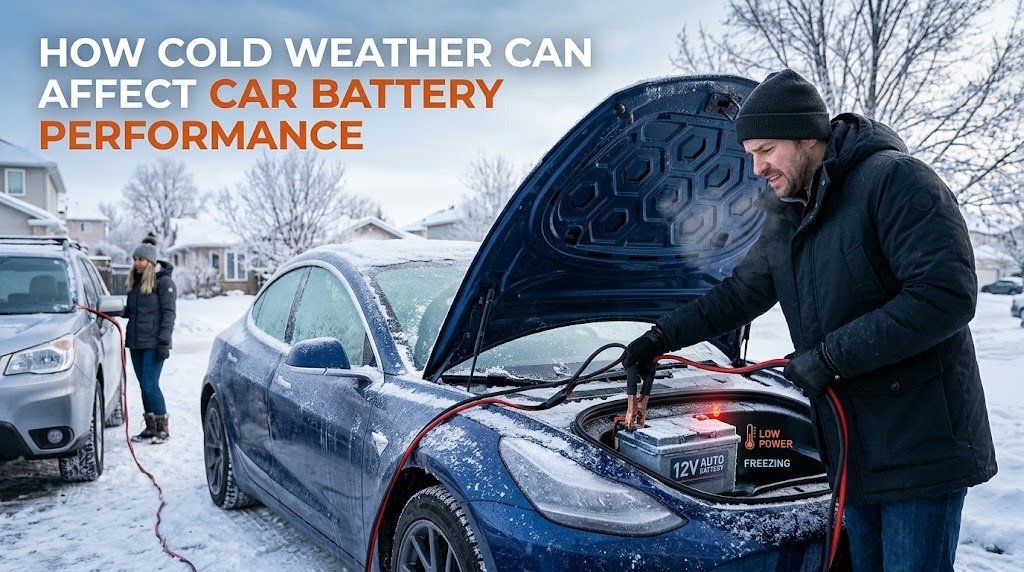
When temperatures drop, your car has to work harder to get started. You may turn the key or press the start button and notice that the engine cranks more slowly than usual. Sometimes, the vehicle may not start at all. While cold weather can affect several parts of a vehicle, the car battery is one of the first components to feel the impact. Low temperatures can reduce a battery’s ability to deliver power, making a battery that seemed perfectly fine in warmer weather suddenly struggle.
For drivers looking for dependable battery care and replacement options, understanding how winter temperatures affect batteries is important. If you are searching for batteries plus bulbs plano, knowing the signs of a weak battery can help you address a problem before you are left with a vehicle that will not start. A little preparation before colder weather arrives can make a noticeable difference in reliability.
Why Cold Weather Affects Car Batteries
A typical car battery relies on a chemical reaction to produce electrical energy. When temperatures fall, that chemical reaction slows down. As a result, the battery cannot produce electrical current as efficiently as it can during warmer conditions.
At the same time, your engine becomes more difficult to crank in cold weather. Engine oil can become thicker as temperatures drop, creating more resistance for the starter motor. This means the battery has two challenges to deal with at once: it produces less available power while the engine requires more power to turn over.
That combination is why a battery that works normally during mild weather may struggle when winter arrives.
How Much Power Can a Battery Lose in Cold Weather?
The exact amount of power a battery loses depends on factors such as battery type, age, condition, and temperature. A healthy battery may still start a vehicle in cold conditions, but its available starting power decreases as temperatures fall.
This becomes especially noticeable when a battery is already several years old. A battery that has gradually lost its capacity may continue working in moderate weather but fail when temperatures become significantly colder.
In other words, cold weather does not necessarily cause a healthy battery to fail instantly. Instead, it can expose an existing weakness that may have gone unnoticed.
Signs Your Battery Is Struggling in Cold Weather
Pay attention to how your vehicle behaves when temperatures drop. Early warning signs can give you an opportunity to address the problem before the battery completely fails.
Slow Engine Cranking
One of the most common signs is a slower-than-normal engine crank. You may hear the starter turning the engine over more slowly when you start the vehicle.
A sluggish start does not always mean the battery is the only problem, but it is a good reason to have the battery and charging system checked.
Clicking When You Start the Car
Hearing a clicking sound when you turn the key or press the start button can indicate that the battery does not have enough power to operate the starter properly.
A single click or repeated clicking can have other causes as well, so proper testing is important before replacing any component.
Dim Headlights and Interior Lights
If your headlights appear unusually dim or your interior lights become noticeably weaker when starting the car, your battery may be struggling to provide sufficient power.
However, dim lighting can also be related to the alternator, electrical connections, or another charging-system issue.
Needing Frequent Jump-Starts
If your vehicle needs a jump-start more than once, do not assume the cold weather is the only reason. Repeated jump-starts can point to an aging battery, a charging problem, or an electrical drain.
A jump-start may get you back on the road temporarily, but it does not fix the underlying problem.
Why Older Batteries Struggle More in Winter
Battery age plays an important role in cold-weather performance. Over time, the internal components of a battery naturally wear down. Its ability to hold and deliver a charge gradually decreases.
An older battery may still appear to work normally during warm months because the warmer conditions are easier on the battery. Once temperatures fall, however, its reduced capacity becomes more noticeable.
If your battery is already several years old, winter is a good time to have it tested. A simple battery test can provide useful information about its current condition and starting capability.
Cold Weather Can Increase Electrical Demands
Starting the engine is not the only challenge during colder months. Drivers often use several electrical features more frequently in winter.
Headlights may be on for longer periods because of shorter daylight hours. Drivers may also use the heater blower, heated seats, rear-window defroster, windshield wipers, and other accessories more often.
These features place additional demand on the vehicle’s electrical system. A healthy charging system should be able to handle normal electrical use, but a weak battery or faulty alternator may struggle to keep up.
Short Trips Can Make Battery Problems Worse
Winter driving often involves short trips, such as driving to work, school, stores, or nearby appointments. Frequent short trips can make it harder for the alternator to fully replace the energy used during starting.
For example, if you start your vehicle and drive only a few minutes before shutting it off, the battery may not have enough time to recover the power used during startup.
Repeated short trips can gradually leave the battery with a lower state of charge. Combined with freezing temperatures, this can increase the chance of starting problems.
How to Protect Your Car Battery During Cold Weather
You cannot control the temperature outside, but you can take practical steps to reduce the chances of battery trouble.
Have the Battery Tested
A battery test is one of the easiest ways to understand whether your battery is ready for colder conditions. Testing can help identify a battery that is losing its ability to provide reliable starting power.
If the battery is weak, replacing it before it fails can be much more convenient than dealing with a dead vehicle unexpectedly.
Keep Battery Connections Clean
Corrosion around the battery terminals can interfere with electrical flow. Check the connections periodically and look for visible corrosion, loose terminals, or damaged cables.
If you are not comfortable inspecting or cleaning battery connections yourself, have a qualified professional take a look.
Avoid Leaving Electrical Accessories Running
Before turning off your vehicle, make sure lights, chargers, and other accessories are switched off when appropriate. Leaving electrical equipment running while the engine is off can drain the battery.
This is particularly important during cold weather when the battery may already have reduced available power.
Park in a Garage When Possible
A garage can provide some protection from extremely low temperatures. Even an unheated garage may be warmer than the outdoor environment.
If you have access to covered parking, using it during particularly cold weather can help reduce the stress placed on your battery and other vehicle components.
Take Longer Drives When Appropriate
If your normal routine consists of many very short trips, an occasional longer drive can give the charging system more time to replenish the battery.
Of course, longer driving should not be used as a substitute for repairing a weak battery or faulty charging system.
Do Not Ignore a Battery Warning
One of the biggest mistakes drivers make is waiting until the vehicle will not start before taking action. A slow start here and there may seem harmless, but repeated symptoms can be an early indication that the battery is reaching the end of its useful life.
It is also important to remember that a battery is only one part of the starting and charging system. Problems with the alternator, starter, cables, or electrical system can create symptoms that look similar to a weak battery.
Getting the complete system checked can help prevent unnecessary replacement and identify the real cause of the problem.
What to Do If Your Car Battery Dies in Cold Weather
If your vehicle will not start on a cold morning, avoid repeatedly trying to start it for long periods. Continuous attempts can put additional strain on the battery and starter.
If you have the appropriate equipment and know how to safely use it, a jump-start may provide enough power to get the engine running. However, if the battery repeatedly needs a jump, have it tested rather than relying on jump-starts as a long-term solution.
Also, never ignore unusual smells, leaking battery fluid, damaged battery cases, or visibly damaged cables. These issues should be handled carefully by someone qualified to inspect the vehicle.
Prepare Before Temperatures Drop
The best time to think about battery performance is before you experience a starting problem. If winter is approaching, check your battery’s age and condition, inspect the terminals, and pay attention to changes in starting performance.
Taking these small steps can help you avoid the inconvenience of standing beside a vehicle that will not start when you are already late for work or dealing with an especially cold morning.
Conclusion
Cold weather can put extra stress on your car battery by reducing its available power while making the engine harder to start. Older or weakened batteries are especially vulnerable, which is why slow cranking, clicking sounds, dim lights, and repeated jump-starts should not be ignored. Simple maintenance, battery testing, clean connections, and sensible driving habits can help improve winter reliability. If you are experiencing repeated starting problems, Battery Rescue LLC can help you determine whether the battery, charging system, or another component needs attention. Preparing your vehicle before the cold sets in is far easier than dealing with an unexpected breakdown when you need to get somewhere.