Businesses today need faster access to data, cleaner processes, and better control over daily operations. Finance, procurement, inventory, sales, HR, and supply chain teams cannot work efficiently when every department uses a separate system. This is one reason many companies are now moving toward Cloud ERP software.
Cloud ERP software helps businesses manage important operations through a cloud-based platform. It connects business functions such as accounting, purchasing, stock control, order management, production, reporting, and planning. For companies using Infor solutions, Infor OS works as a supporting technology platform that helps connect applications, automate workflows, manage data, and improve user experience.
This guide explains what Cloud ERP software is, what Infor OS does, and how both can support better business management.
What Is Cloud ERP Software?
Cloud ERP software is an enterprise resource planning system hosted on cloud infrastructure. Instead of installing and maintaining the full system only on local servers, businesses access the ERP system through a secure cloud environment.
ERP stands for enterprise resource planning. It helps companies manage core business processes such as finance, procurement, inventory, supply chain, manufacturing, projects, human resources, and reporting.
In simple terms, Cloud ERP software gives businesses one connected system to manage daily work and business data. It helps teams avoid scattered spreadsheets, duplicate records, and disconnected tools.
For example, when a sales order is created, the system can update inventory, support invoicing, trigger procurement needs, and show the financial impact. This gives teams a clearer view of what is happening across the business.
What Is Infor OS?
Infor OS is a technology platform used within the Infor business software environment. It helps connect applications, data, workflows, analytics, automation, artificial intelligence, document management, and user collaboration.
The main role of Infor OS is to support better connectivity between business systems. It helps different applications work together, so users do not have to depend on manual data transfer or separate systems.
For example, if a company uses Infor ERP for finance and supply chain, Infor OS can help connect related data, workflows, alerts, documents, and reporting tools. This improves the way employees access and use business information.
Why Businesses Use Cloud ERP Software
Many companies start with basic tools such as spreadsheets, accounting software, email approvals, and manual reporting. These tools may work in the early stage, but they become difficult to manage as the company grows.
Cloud ERP software helps businesses solve common problems such as delayed reporting, poor inventory visibility, manual approvals, duplicate data entry, and limited financial control.
A growing company may have multiple branches, warehouses, vendors, customers, and employees. If every team works with separate data, decision-making becomes slow. Cloud ERP software helps bring these activities into one system so teams can work with more accurate and updated information.
How Infor OS Supports Cloud ERP Software
Infor OS supports Cloud ERP software by improving integration, automation, reporting, and user productivity. It works as a digital layer that helps Infor applications and connected systems communicate more smoothly.
For example, a purchase request may need approvals from a department manager, finance team, and procurement team. With Infor OS, the workflow can move automatically to the right users. Notifications, documents, and approvals can be managed in a structured way.
This reduces manual follow-ups and helps employees complete tasks faster.
Key Features of Cloud ERP Software
Most Cloud ERP software solutions include features that support both financial and operational activities. These may include finance management, procurement, inventory control, supply chain management, manufacturing planning, order management, project tracking, reporting, and human resources.
The exact features depend on the business and industry. A manufacturing company may focus more on production planning and inventory. A service company may focus on projects, billing, and resource management. A retail business may need strong inventory, sales, and supply chain tools.
The purpose of Cloud ERP software is to give each department access to the right data while keeping all business information connected.
Key Features of Infor OS
Infor OS includes several capabilities that support business software environments. These may include application integration, workflow automation, analytics, document management, user collaboration, data services, and artificial intelligence features.
One useful function of Infor OS is helping users get relevant information without switching between many systems. For example, an employee may receive alerts, tasks, approvals, and business insights through one interface.
This helps improve productivity and reduces the time spent searching for information.
Benefits of Cloud ERP Software
The main benefit of Cloud ERP software is better business visibility. When finance, procurement, inventory, sales, and operations use connected data, management can understand business performance more clearly.
Another benefit is scalability. As a company grows, Cloud ERP software can support more users, more transactions, more locations, and more business processes.
It also helps reduce manual work. Tasks such as invoice approvals, purchase requests, stock updates, expense tracking, and report preparation can be handled through structured workflows.
For business leaders, this means faster decisions. For employees, it means less time spent on repetitive manual tasks.
Benefits of Infor OS
Infor OS helps companies get more value from their Infor systems. It improves how applications connect, how workflows move, and how users interact with business data.
One major benefit is integration. Infor OS helps reduce data silos by allowing different business applications to share information.
Another benefit is automation. Routine tasks can be routed to the correct person or department without relying only on emails or manual reminders.
It also supports better reporting and analytics. When data is connected properly, teams can create more reliable insights for decision-making.
Cloud ERP Software for Finance Teams
Finance teams use Cloud ERP software to manage accounting, payables, receivables, cash flow, budgets, expenses, tax records, and financial reports.
Because the system connects finance with other departments, finance teams can see the financial impact of business activity more clearly. For example, procurement decisions affect spending, inventory levels affect working capital, and customer orders affect revenue.
This helps finance leaders prepare more accurate reports and forecasts.
Cloud ERP Software for Supply Chain and Inventory
Supply chain and inventory teams need accurate stock data. If inventory records are not updated, companies may face stockouts, overstocking, delayed orders, or poor customer service.
Cloud ERP software helps track inventory movement, purchase orders, supplier activity, warehouse stock, sales orders, and demand planning.
This gives teams better control over stock levels and helps reduce unnecessary costs.
Cloud ERP Software for Management Reporting
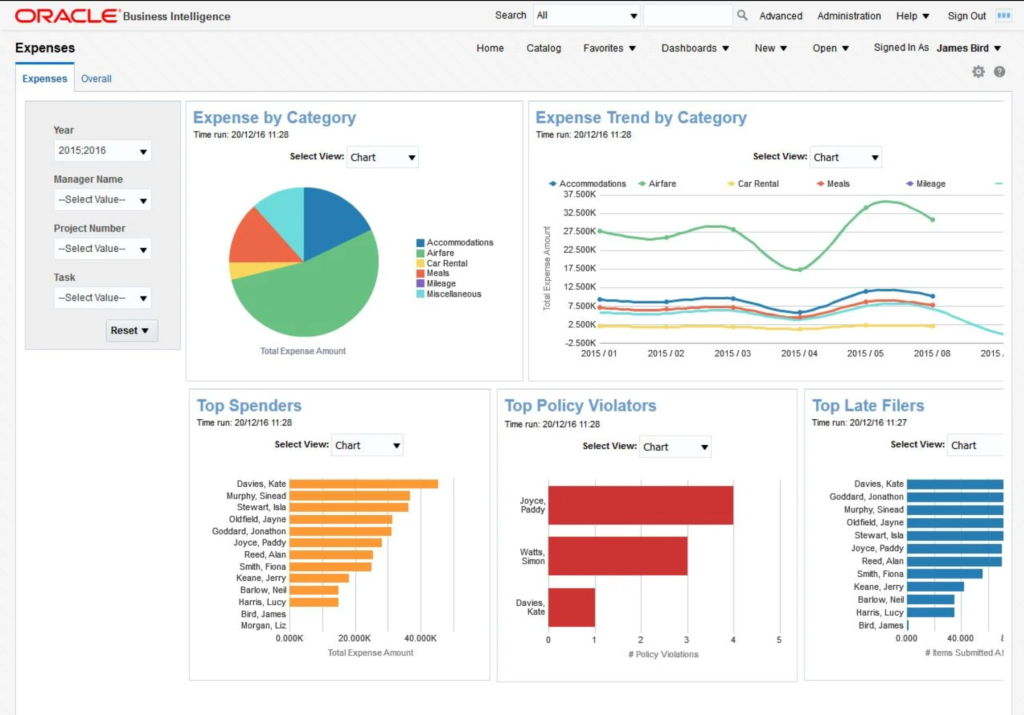
Management teams need clear reports to make business decisions. They need to know revenue, costs, margins, stock position, purchase commitments, cash flow, and operational performance.
Cloud ERP software helps create reports from connected business data. Instead of waiting for manual updates from different departments, leaders can access more timely information.
When supported by Infor OS, reporting can become more useful because data from different applications and workflows can be connected for better insights.
How Cloud ERP Software Improves Decision-Making
Good decisions depend on reliable data. If data is outdated, incomplete, or spread across many systems, decision-making becomes risky.
Cloud ERP software improves decision-making by giving teams a shared view of business operations. Leaders can see what is happening in finance, procurement, sales, inventory, and projects.
For example, if profit margins are falling, management can check whether the reason is higher supplier costs, lower sales prices, inventory waste, or project delays.
This helps businesses take action based on facts instead of assumptions.
How Infor OS Helps With Automation
Automation is one of the important uses of Infor OS. It helps route tasks, approvals, alerts, and workflows across business systems.
For example, if an invoice needs approval, the system can send it to the right manager. If a stock level falls below a defined point, the system can trigger an alert. If a document needs review, it can be routed through a workflow.
This makes daily business processes more organized and easier to track.
Security and Access Control
Security is important for every business system. Finance data, employee records, supplier details, customer information, and business reports must be protected.
Cloud ERP software usually includes role-based access, user permissions, audit trails, and security controls. This means employees can access only the information they are allowed to see.
Infor OS also supports governance within the Infor environment by helping manage connected applications, data access, workflows, and documents.
This helps companies maintain better control over sensitive information.
Cloud ERP Software vs Traditional ERP
Traditional ERP systems are often hosted on company-owned servers and managed by internal IT teams. They may require manual upgrades, local infrastructure, and higher maintenance effort.
Cloud ERP software is hosted in the cloud, which can reduce infrastructure management and make updates easier. It also supports remote access and scalability.
This does not mean every company must move immediately to the cloud. The right choice depends on business needs, security requirements, industry rules, budget, and internal capabilities. However, many businesses prefer Cloud ERP software because it provides flexibility and easier access to modern features.
Who Should Use Cloud ERP Software?
Cloud ERP software is useful for companies that need better control over finance, procurement, inventory, supply chain, sales, projects, and reporting.
It is suitable for growing businesses, multi-location companies, manufacturers, distributors, service providers, retailers, construction firms, logistics companies, and enterprises with complex operations.
Any company struggling with disconnected systems, manual reporting, poor visibility, or slow approvals can benefit from reviewing a Cloud ERP software solution.
Who Should Use Infor OS?
Infor OS is useful for organizations using Infor applications or planning to build a connected Infor business software environment. It is especially helpful when companies need integration, workflow automation, analytics, document management, and better user experience.
Companies that use Infor ERP, Infor CloudSuite, or other Infor applications can use Infor OS to improve system connectivity and productivity.
How to Choose the Right Cloud ERP Software
Before choosing Cloud ERP software, a company should review its current problems and future goals. The selection should not be based only on features. It should be based on business needs.
Important questions include:
Are departments using separate systems?
Are reports delayed?
Is inventory visibility poor?
Are approvals handled manually?
Is finance data difficult to verify?
Does the business need multi-location support?
Does the system need to connect with other applications?
Companies considering Infor solutions should also understand how Infor OS will support integration, workflows, reporting, and automation.
Final Thoughts
Cloud ERP software helps businesses manage core operations through a connected cloud-based platform. It improves visibility, reporting, process control, scalability, and decision-making across departments.
Infor OS supports this environment by connecting applications, automating workflows, improving access to data, and supporting analytics within the Infor ecosystem.
For companies that want better operational control, cleaner data, faster reporting, and more organized business processes, Cloud ERP software and Infor OS can play an important role. The main goal is simple: help teams work with accurate information and help leaders make better business decisions.
FAQs About Cloud ERP Software and Infor OS
1. What is Cloud ERP software?
Cloud ERP software is an enterprise resource planning system hosted in the cloud. It helps businesses manage finance, procurement, inventory, supply chain, sales, projects, HR, and reporting through one connected platform.
2. What is Infor OS?
Infor OS is a technology platform from Infor that supports integration, workflow automation, analytics, document management, data services, and user experience across Infor applications.
3. Why do businesses use Cloud ERP software?
Businesses use Cloud ERP software to improve visibility, reduce manual work, manage operations more efficiently, support remote access, and make better decisions with connected data.
4. How does Infor OS support ERP systems?
Infor OS supports ERP systems by connecting applications, automating workflows, managing data, sending alerts, supporting analytics, and improving how users interact with business information.
5. Is Cloud ERP software useful for small businesses?
Yes. Cloud ERP software can be useful for small and growing businesses that need better accounting, inventory control, procurement, reporting, and process management.
6. Is Cloud ERP software only for large enterprises?
No. While large enterprises use Cloud ERP software, many mid-sized and growing companies also adopt it when their operations become too complex for spreadsheets or basic tools.
7. What are the main benefits of Infor OS?
The main benefits of Infor OS include better integration, workflow automation, data connectivity, analytics support, document management, and improved user productivity.
8. Can Cloud ERP software improve reporting?
Yes. Cloud ERP software improves reporting by connecting business data across departments and reducing manual report preparation.
9. Does Infor OS help with automation?
Yes. Infor OS helps automate tasks such as approvals, alerts, document routing, and workflow movement between users and systems.
10. How should a business choose Cloud ERP software?
A business should choose Cloud ERP software based on its industry, process needs, number of users, reporting requirements, integration needs, security expectations, and future growth plans.