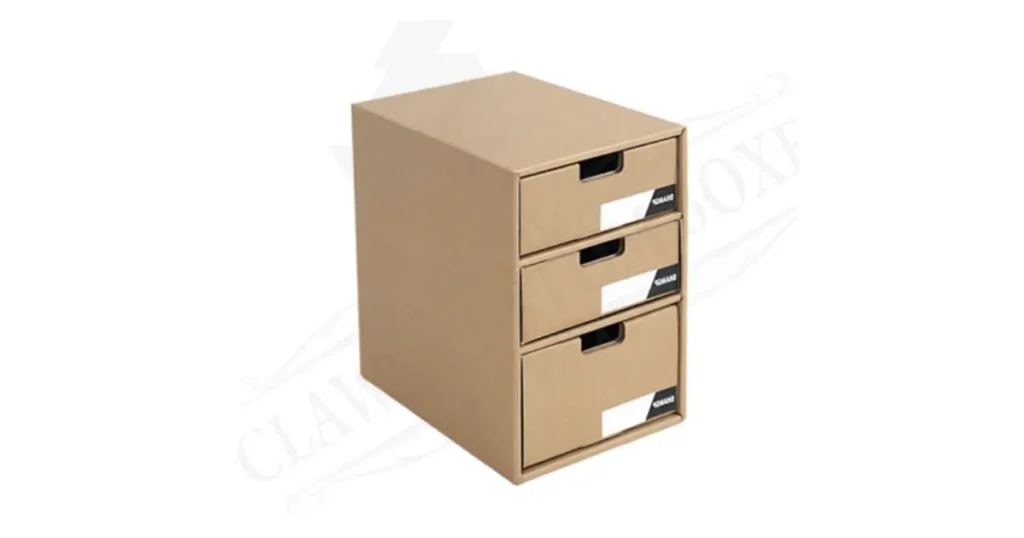
Physical music collections never really went away. Millions of people still hold onto their CDs — not just out of habit, but because the sound quality, album artwork, and tangible ownership of a disc is something streaming simply cannot replicate. But owning a collection also comes with responsibility. Leave your discs piled on a shelf or tossed in a drawer, and you will start to notice scratches, skips, and data loss before long.
CD Disc Storage Boxes solve this problem in a practical, affordable way. From the moment you invest in proper disc storage boxes, your collection becomes easier to access, safer from damage, and ready to last for decades rather than years.
What Are CD Disc Storage Boxes?
CD disc storage boxes are purpose-built containers designed to hold, organise, and protect compact discs. Unlike a basic shelf or a loose pile on a desk, these boxes are built with the specific dimensions, materials, and structural features that CDs need to stay in good shape over time.
They come in a wide range of sizes — from small desktop units that hold 20 to 30 discs, all the way to large archival containers capable of storing hundreds. Most include individual slots, dividers, or sleeves that keep each disc separated and upright.
Who needs them? Pretty much anyone who owns more than a handful of CDs. Music fans, film collectors, software archivists, photographers storing work on disc, and even libraries or broadcast studios rely on them. If your collection means something to you, it deserves a proper home.
Why Proper CD Storage Matters
A CD might look tough, but the data layer underneath the polycarbonate surface is surprisingly vulnerable. Here is what poor storage actually does to your collection over time.
Scratches are the most obvious risk. When discs rub against each other or against rough surfaces, the read layer gets damaged. Even minor surface scratches can cause a player to skip or fail to read the disc entirely.
Dust and debris work their way into exposed discs and settle into the grooves. Over time this causes read errors that cleaning alone cannot always fix.
Humidity is a slower but equally destructive force. Moisture causes a well-documented problem called “disc rot,” where the aluminium reflective layer oxidises and the disc becomes unreadable. This is not reversible.
Poor organisation is a practical problem too. When you cannot find what you are looking for, discs get handled more than they need to be, increasing the chance of accidental damage.
Keeping your discs in a dedicated CD organiser box addresses all of these risks at once.
Different Types of CD Disc Storage Boxes
Not all storage solutions are built the same. The right type for you depends on your collection size, how often you access your discs, and how long you need them to last.
Plastic Storage Boxes
Plastic boxes are the most common option. They are durable, lightweight, and easy to find. Most are made from ABS or polypropylene, which resists moisture reasonably well and holds up against everyday knocks and bumps. They work well for collections that are accessed regularly.
Cardboard Storage Boxes
Cardboard options are cheaper and often used for short-term storage or moving. They are not ideal for long-term preservation because cardboard absorbs humidity and can harbour mould. If you go this route, keep them somewhere dry and elevated off the floor.
Archival Storage Boxes
Archival-grade boxes are made from acid-free, chemically stable materials. They are designed specifically for long-term preservation and are the gold standard for anyone serious about protecting irreplaceable discs. Museums, libraries, and professional archivists use these.
Stackable Storage Boxes
Stackable units are ideal for larger collections where floor space is limited. They interlock securely and can be built upward rather than outward. Many come with label slots on the front so you can identify contents without opening every box.
How to Choose the Right CD Disc Storage Box
With so many options on the market, a few key factors will help you make the right call.
Storage Capacity
Think about not just how many discs you have now, but how many you might have in two or three years. Buying slightly bigger than you need today saves money and effort later.
Material Quality
Look for smooth internal surfaces that will not scratch disc edges. Hard plastic or padded fabric interiors are better than rough cardboard or unfinished wood.
Durability
If the box will be moved around, stacked, or stored in a garage or attic, it needs to handle physical stress. Check that the lid closes firmly and the hinges or clasps feel solid.
Moisture Protection
In humid climates, sealed lids and moisture-resistant materials matter a great deal. Some boxes include a rubber gasket seal or a snap-shut closure that keeps damp air out.
Ease of Organisation
Collectors who want a safer way to organise large music or software collections often invest in CD Disc Storage Boxes because they offer better protection, easier access, and more efficient use of space than traditional shelving. Look for boxes with built-in dividers, index slots, or adjustable compartments that match the way you like to sort your collection.
Common Mistakes That Damage CD Collections
Even careful collectors make these errors. Knowing what to avoid is half the battle.
Direct Sunlight
UV light degrades the polycarbonate surface and can warp discs over time. Never store CDs near a window or anywhere that gets direct sun exposure. Even indirect bright light over many years causes cumulative damage.
Humidity
As mentioned above, moisture is a slow killer. Basements, bathrooms, and garages are poor storage environments unless they are climate controlled. Ideal humidity for disc storage is between 20% and 50%.
Overfilling Boxes
Cramming too many discs into a box puts pressure on individual cases and can crack jewel cases or bend cardboard sleeves. Each disc should sit without being forced in or out.
Poor Handling
Always pick up a disc by its edges or through the centre hole. Fingerprints leave oils on the surface that attract dust and can cause read problems over time. It sounds basic, but it is one of the most overlooked habits in disc care.
Best Ways to Organise a CD Collection
Once your discs are safely stored, organisation is what turns a box of CDs into a usable, enjoyable collection.
By artist is the most intuitive method for music collections. Alphabetical by surname works well and makes finding specific albums fast.
By genre suits people who tend to browse by mood. Jazz in one box, rock in another, classical in a third — this approach works especially well when collections are large.
By year appeals to collectors who think historically. Seeing how their taste or an artist’s work evolved decade by decade makes browsing feel like a journey.
Alphabetically by title works best for film or software collections where artist names are less relevant than the title of the work itself.
Whichever system you choose, consistency is what makes it work. Label the outside of each box clearly and keep a simple index if the collection is large enough to warrant it.
Long-Term CD Preservation Tips
If you want your discs to still be readable in 20 or 30 years, a few extra steps make a significant difference.
Temperature control is critical. Discs should be stored between 10°C and 23°C. Extreme heat accelerates chemical breakdown, and repeated freeze-thaw cycles caused by fluctuating temperatures can cause micro-cracking in the disc layers.
Proper cleaning means wiping from the centre outward in a straight line — never in circles. Use a soft lint-free cloth and, if needed, a purpose-made disc cleaning solution. Circular wiping creates scratches that follow the data tracks, which is much harder for a laser to skip over than straight-line marks.
Vertical storage is the preferred position for archival CD storage. Standing discs upright like books puts equal pressure around the hub rather than bending the disc under its own weight over time. Most quality media storage solutions are designed with this in mind.
Protective sleeves add an extra layer of defence, especially for discs stored outside of their original jewel cases. Use polypropylene or Tyvek sleeves rather than PVC, which can release chemicals that damage the disc surface.
Frequently Asked Questions
How long do CDs last in proper storage?
Manufacturers originally estimated 50 to 100 years under ideal conditions. With good music collection storage practices — stable temperature, low humidity, minimal handling — that lifespan is very achievable.
Can I store CDs in a loft or garage?
Only if temperature and humidity are controlled. Uninsulated lofts experience extreme temperature swings, and garages tend to be damp. Neither is suitable for long-term disc organisation without climate control.
Do jewel cases provide enough protection on their own?
Jewel cases protect against dust and minor impact but offer no real protection against humidity, UV light, or temperature extremes. Placing cased discs inside archival CD storage boxes provides a meaningful second layer of protection.
Is it worth storing CDs vertically?
Yes. Horizontal stacking puts uneven pressure on discs and cases over time. Vertical storage in a CD organiser box is the recommended position for long-term preservation.
What is disc rot and how do I prevent it?
Disc rot refers to the oxidation or delamination of a disc’s reflective or data layer, usually caused by humidity or manufacturing defects. Keeping discs in sealed, moisture-resistant stackable CD storage in a stable environment is the most effective prevention.
Conclusion
Your CD collection represents years of listening, discovering, and collecting. It deserves to be treated accordingly. Investing in quality CD disc storage boxes is one of the most straightforward and effective things you can do to protect that investment for the long term.
From choosing the right material and capacity to organising your discs by genre or artist and storing them vertically in a climate-stable environment, every step you take adds years to the life of your collection. Whether you own 50 discs or 5,000, the principles are the same: keep them cool, keep them dry, keep them organised, and keep them in a box built for the job.