Packaging requirements vary according to product size, weight, handling conditions, and presentation preferences. Cardboard Boxes offer a practical structure for enclosing numerous products while maintaining dependable strength during storage and transportation. Different board grades, dimensions, printing methods, and closure styles can be selected according to specific applications. The Printing Company prepares customized box formats with accurately measured panels and carefully produced artwork. From compact cartons to larger shipping structures, each format can be configured around Cardboard Boxes specifications. Proper material selection and construction create packaging suitable for organized storage, handling, and product protection.
Strong Board Grades Support Durability
Board thickness plays an important role in determining the structural performance of packaging. Single-wall, double-wall, and rigid board constructions can be selected according to product weight and handling requirements. Cardboard Boxes made with thicker material can accommodate heavier contents, while lighter grades are suitable for smaller products. Corrugated structures may include fluted layers that create additional cushioning and resistance against compression. Material selection can also depend on storage duration and transportation conditions. The Printing Company prepares customized box specifications according to product characteristics, required strength, dimensions, and preferred surface treatment.
Custom Dimensions Create Precise Fit
Products come in numerous shapes and sizes, making fixed box measurements unsuitable for every application. Cardboard Boxes can be manufactured according to exact length, width, and height requirements, creating an enclosure suited to the enclosed product. Customized dimensions can reduce excessive empty space while maintaining sufficient room for protective inserts or cushioning materials. Different depth levels can accommodate flat items, containers, accessories, and larger products. The Printing Company produces boxes according to precise measurements, allowing structural proportions to correspond with product dimensions, material thickness, closure requirements, and transportation needs.
Printing Presents Information Clearly
Printed packaging creates useful exterior surfaces for product names, instructions, symbols, graphics, and other essential information. Digital, offset, and flexographic printing methods can reproduce detailed artwork across different board surfaces. Cardboard Boxes provide multiple panels for arranging typography and graphics according to the selected structure. Coatings can also be applied to protect printed surfaces and create different textures. Accurate color reproduction and precise artwork placement contribute to a consistent appearance throughout an order. The Printing Company prepares printed boxes according to supplied artwork, selected material, production quantity, and required finishing specifications.
Practical Box Features Include
- Custom dimensions and board grades
- Multiple closure configurations
- Protective interior inserts
- Printed exterior panels
- Matte and gloss coatings
- Die-cut window options
Interior Support Prevents Product Movement
Certain products require internal components to remain properly positioned during handling and transportation. Inserts, dividers, partitions, and fitted trays can create dedicated spaces inside Cardboard Boxes, reducing unnecessary movement between individual items. These components are particularly suitable for sets containing several products or products with delicate surfaces. Internal supports can be produced from compatible board materials and measured according to the outer box dimensions. The Printing Company prepares internal structures according to product shape, quantity, and arrangement requirements, creating a coordinated packaging configuration that supports orderly storage and dependable handling.
Folding Styles Suit Various Products
Different products require different box constructions based on their dimensions, weight, and handling requirements. Cardboard Boxes can be produced as tuck-end cartons, auto-lock structures, sleeve boxes, mailer styles, and two-piece formats. Tuck-end constructions offer straightforward opening, while auto-lock bases provide additional support for products requiring secure placement. Mailer styles can accommodate shipping requirements with integrated flaps and locking tabs. The Printing Company prepares these structures according to product specifications, allowing the selected folding style to correspond with the contents, board grade, closure method, and intended storage conditions.
Surface Coatings Protect Printed Panels
Surface treatments can influence both the appearance and handling characteristics of printed packaging. Matte lamination creates a smooth, subdued finish, while gloss coating produces a more reflective surface. Water-based coatings can provide an additional layer across printed panels, while spot UV can emphasize selected graphics or lettering. Cardboard Boxes may also incorporate foil accents, embossing, or debossing where additional surface detail is required. Finishing choices should correspond with the selected board and printing process to maintain a balanced package structure while keeping artwork and product information clearly visible.
Window Cutouts Reveal Enclosed Items
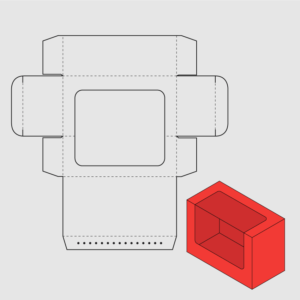
A precisely positioned window can create visibility without removing the protective outer structure of the package. Clear film can be fitted behind a die-cut opening, allowing customers to view selected portions of the enclosed product. Cardboard Boxes with window panels are suitable for products where color, shape, texture, or arrangement contributes to presentation. The opening can be positioned on the front, top, or side according to the selected box structure. Accurate die-cutting keeps the window aligned with surrounding artwork while preserving sufficient board area for structural support.
Customization Options Cover Structures
- Tuck-end carton styles
- Auto-lock bottom constructions
- Mailer box formats
- Sleeve-style configurations
- Die-cut window panels
- Embossed and foil details
Bulk Manufacturing Maintains Uniform Quality
Large packaging orders require consistent control over cutting, folding, printing, and finishing. Cardboard Boxes manufactured in bulk can maintain matching dimensions, board thickness, artwork placement, color reproduction, and structural assembly throughout the production run. Quality checks can identify inconsistencies before finished units are prepared for shipment. The Printing Company produces customized quantities according to approved specifications, allowing larger orders to retain a uniform appearance and construction. Consistent production is especially useful when several box sizes or related package designs are required for a single product range.
Closure Systems Secure Box Contents
The closure method influences how easily a box can be assembled, opened, closed, and stored. Tuck flaps provide a straightforward locking mechanism, while auto-lock bases create a reinforced bottom structure. Adhesive closures can be selected when a more permanent seal is required, and locking tabs can reduce the need for additional fastening materials. Cardboard Boxes can incorporate closure systems according to product weight, box dimensions, and handling conditions. Matching the closure with the board thickness helps maintain package integrity while supporting convenient assembly and reliable storage.
Conclusion
Selecting suitable packaging requires consideration of board grade, dimensions, internal support, printing, finishing, folding style, and closure construction. Cardboard Boxes can be configured for compact products, heavier items, multi-piece sets, and shipping applications through different structural options. Customized measurements create a more suitable fit, while inserts and dividers organize enclosed products. Printing and finishing methods contribute to clear information and a consistent exterior appearance. The Printing Company prepares customized boxes according to product specifications, material preferences, artwork, and production quantities, creating packaging suited to storage, transportation, handling, and product presentation.