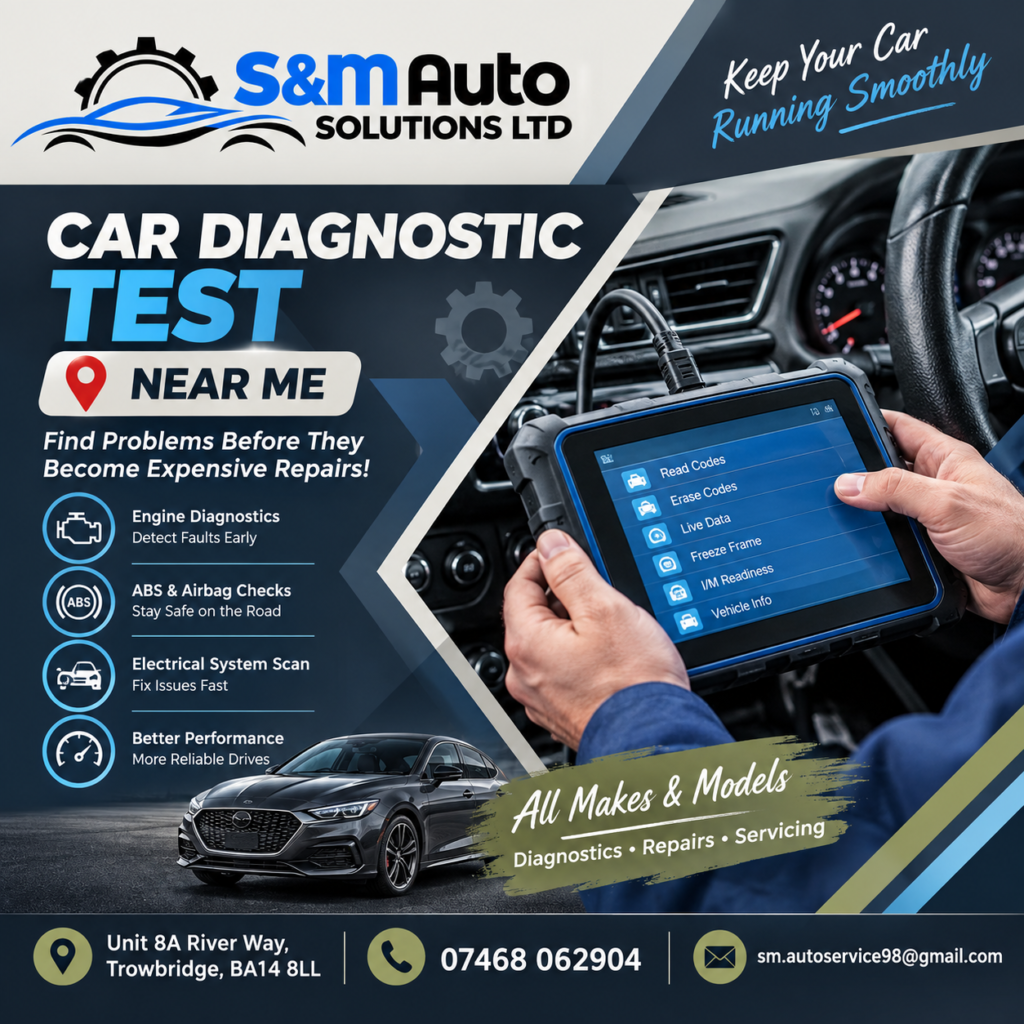
Modern vehicles rely on complex electronic systems to manage engine performance, fuel efficiency, safety features and emissions. When a warning light appears on the dashboard or a vehicle begins behaving unusually, identifying the underlying problem can be challenging. A professional car diagnostic test helps technicians investigate potential faults and determine which components may require further inspection or repair.
For UK motorists, understanding how vehicle diagnostics work can help prevent unnecessary part replacements, reduce the risk of unexpected breakdowns and support better vehicle maintenance. Whether a car experiences engine performance issues, electrical problems or intermittent warning lights, accurate fault diagnosis is an important step towards finding the right solution.
What Is a Car Diagnostic Test and How Does It Work?
A car diagnostic test involves using specialised equipment to communicate with a vehicle’s onboard computer systems. Most modern vehicles have an On-Board Diagnostics (OBD) system that monitors various components and records fault codes when certain problems are detected.
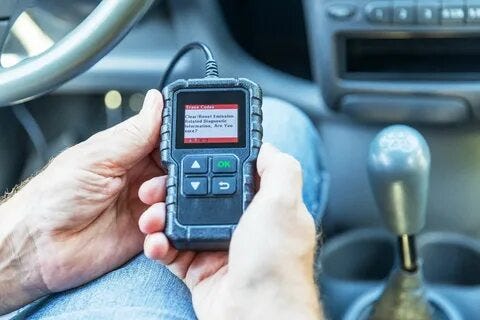
A technician typically connects a diagnostic scanner to the vehicle’s OBD port. The equipment retrieves stored fault codes and, depending on the vehicle and scanner, may display live information from sensors and electronic control units.
The diagnostic process can help investigate issues involving:
- Engine management and fuel injection systems
- Oxygen sensors and emissions controls
- Ignition systems and engine misfires
- Anti-lock braking systems (ABS)
- Airbag and supplemental restraint systems
- Battery charging and electrical components
- Transmission and other electronic control systems

However, a fault code does not automatically identify a failed component. For example, an oxygen sensor code could relate to the sensor itself, damaged wiring, an exhaust leak or another underlying issue. Skilled interpretation and additional testing are therefore essential.
When Should Drivers Consider Vehicle Diagnostics?
Dashboard warning lights are among the most common reasons motorists seek diagnostic assistance. Nevertheless, some faults develop without an obvious warning, making it important to pay attention to changes in vehicle behaviour.
Consider arranging a diagnostic assessment if you notice:
An illuminated engine warning light: This may indicate a problem with engine management, emissions equipment or another monitored system.
Reduced engine performance: Hesitation, poor acceleration, rough idling or increased fuel consumption can indicate faults that need investigation.
Starting difficulties: Problems starting the engine may involve the battery, starter motor, ignition system, fuel delivery or electronic controls.
Unexpected electrical behaviour: Flickering dashboard lights, malfunctioning sensors or intermittent electrical failures may require diagnostic scanning alongside physical circuit testing.
Unusual transmission behaviour: Changes in gear selection, warning messages or abnormal shifting can sometimes be associated with electronic transmission faults.
A diagnostic assessment can also be useful when a vehicle develops recurring problems after an initial repair. Comparing fault codes and live data may help establish whether the original issue has been resolved.
If a red oil-pressure or engine-temperature warning appears, or the vehicle shows signs of a serious mechanical problem, stop safely and follow the manufacturer’s guidance rather than relying on a diagnostic scan to determine whether driving is safe.
Finding a Car Diagnostic Test Near Me: What Should Drivers Look For?
Searching online for a car diagnostic test Near Me can produce a range of garages and automotive service providers. However, the quality of the diagnostic process matters more than simply connecting a scanner and reading a code.
Before choosing a garage, consider whether it can explain its testing procedure, interpret fault codes in context and investigate the underlying cause rather than recommending parts based on codes alone.
A thorough diagnostic appointment may include:
- Initial assessment: The technician asks about warning lights, driving symptoms, recent repairs and when the fault occurs.
- Electronic fault-code scanning: Relevant systems are checked for stored, pending or historical codes where supported.
- Live-data analysis: Sensor readings and operating conditions are examined to identify unusual values.
- Additional testing: Wiring, connectors, fuses, battery voltage or mechanical components may be tested as appropriate.
- Findings and recommendations: The results are explained, with further repairs or tests recommended where necessary.
When looking for a car diagnostic Trowbridge service, motorists can review local garage information and ask whether the workshop has suitable equipment for their vehicle’s make, model and year. S&M Auto Service provides information about its diagnostic services at https://www.smautoservice.co.uk/car-diagnostic-test-trowbridge-uk/.

Car Diagnostic Tests in the UK: Costs, Limitations and Best Practices
The cost of a car diagnostic test UK motorists arrange depends on several factors, including vehicle complexity, the type of diagnostic equipment required and the time needed to investigate the fault.
A basic code-reading appointment may be relatively straightforward, while intermittent electrical problems or faults involving multiple control units can require considerably more testing. Any quoted diagnostic fee should clarify what is included and whether additional investigation will incur further charges.
It is also important to understand the limitations of diagnostic technology. A scanner can identify recorded faults, but it cannot always establish their exact cause without further checks. Some mechanical problems may not generate electronic fault codes at all.
Drivers can make diagnostic appointments more productive by preparing a few details:
- Record which warning lights appear and whether they remain illuminated.
- Note when the problem occurs, such as during cold starts, acceleration or motorway driving.
- Mention recent repairs, battery replacement or other maintenance work.
- Bring any previous diagnostic reports if available.
- Ask for a clear explanation of the findings before authorising additional repairs.
Modern vehicles increasingly incorporate advanced driver-assistance systems, hybrid technology and more interconnected electronic controls. As a result, diagnostic work may require manufacturer-specific software, specialised tools and technicians with relevant training.
Conclusion
Vehicle diagnostics play an important role in identifying electronic faults, investigating warning lights and guiding appropriate repairs. For motorists across the UK, understanding the difference between reading a fault code and confirming the underlying problem can help avoid unnecessary expenditure and improve maintenance decisions.
When searching for a car diagnostic test, choose a service that combines suitable diagnostic equipment with systematic testing and clear communication. By addressing warning signs early, keeping maintenance records and following professional advice, drivers can make more informed decisions about vehicle reliability, safety and long-term running costs.
Contact Us : https://www.smautoservice.co.uk/contact-us/
About Us : https://www.smautoservice.co.uk/about-us/
Social Media :
- https://qualitymedicalfacilitators.com/understanding-clutch-repair-and-replacement-costs-warning-signs-and-practical-uk-advice/
- https://articlewaves.com/https-www-smautoservice-co-uk-timing-belt-replacement-services-trowbridge-uk/
- https://wikinewsportal.com/https-www-smautoservice-co-uk-affordable-pre-mot-check-trowbridge-2/
- https://blogaiu.org/mini-cooper-timing-chain-replacement-costs-warning-signs-and-maintenance-tips/
- https://feedingtrends.com/understanding-car-diagnostics-common-faults-and-warningsigns
- https://smautoservicecouk.blogspot.com/2026/09/when-does-your-car-need-clutch.html
- https://manbat-team.co.il/blogs/20482/Mini-Timing-Chain-Replacement-Costs-Warning-Signs-and-Maintenance-Tips