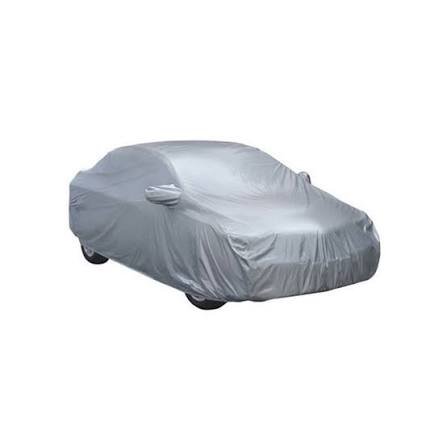
A car cover is one of the simplest and most affordable ways to protect your vehicle from sunlight, rain, dust, dirt, bird droppings, tree sap, and other environmental hazards. Whether your car is parked outside every day or stored for long periods, a quality cover can help preserve its appearance and reduce unnecessary cleaning and maintenance.
With many types, sizes, materials, and designs available, choosing the right car cover can make a significant difference. This guide explains the benefits of car covers, the different options available, and how to choose one that provides reliable protection.
What Is a Car Cover?
A car cover is a protective fabric or synthetic covering designed to fit over a vehicle. It creates a barrier between the car’s exterior and potentially damaging environmental elements.
Car covers are available for sedans, SUVs, trucks, sports cars, and other vehicle types. Some are designed specifically for indoor storage, while others are built to withstand outdoor conditions. The best option depends on where you park your car, the local climate, and how frequently you use the vehicle.
Why Use a Car Cover?
A vehicle’s exterior is constantly exposed to environmental conditions. Over time, this exposure can affect paint, trim, windows, and other components. A car cover provides an additional layer of protection.
1. Protects Against Sun Damage
UV rays can gradually fade automotive paint and damage exterior materials. Cars that remain parked in direct sunlight for extended periods may lose their original shine.
A UV-resistant car cover helps reduce direct exposure to sunlight. This can be especially useful in hot and sunny climates where vehicles spend several hours outdoors each day.
2. Keeps Dust and Dirt Away
Dust can quickly accumulate on a parked vehicle. When combined with moisture, dirt can stick to the surface and make cleaning more difficult.
A car cover helps keep airborne dust, pollen, and dirt away from the vehicle. As a result, your car can remain cleaner between washes.
3. Provides Protection From Rain and Moisture
Rainwater can leave water spots and allow dirt and contaminants to remain on the paint. A properly designed waterproof or water-resistant cover can help protect the exterior from excessive moisture.
However, breathability is also important. A cover that traps moisture against the vehicle can create problems, so outdoor covers should ideally allow moisture vapor to escape.
4. Helps Protect Against Bird Droppings and Tree Sap
Bird droppings and tree sap can be difficult to remove and may affect automotive paint if left on the surface for extended periods.
A car cover creates a physical barrier that can reduce direct contact with these contaminants. This is particularly useful when parking beneath trees or in areas with frequent bird activity.
5. Reduces Cleaning and Maintenance
Keeping a car clean takes time. A cover can reduce the amount of dust and debris that reaches the vehicle, helping minimize how frequently it needs to be cleaned.
While a cover does not eliminate the need for washing and detailing, it can make routine maintenance easier.
Types of Car Covers
Not every car cover is designed for the same purpose. Understanding the main types can help you choose the right product.
Indoor Car Covers
Indoor covers are generally lightweight and designed to protect vehicles from dust and minor scratches. They are ideal for garages, showrooms, or long-term indoor storage.
They usually focus more on softness and breathability than heavy weather resistance.
Outdoor Car Covers
Outdoor covers are designed to handle changing weather conditions. They typically offer greater resistance to sunlight, rain, wind, and dust.
For outdoor parking, look for features such as UV resistance, water resistance, breathable fabric, reinforced seams, and secure fastening systems.
Waterproof Car Covers
Waterproof covers are designed to provide strong protection against rain. They can be useful in areas with frequent rainfall.
However, ventilation remains important because trapped condensation can potentially cause moisture-related problems underneath the cover.
Custom-Fit Car Covers
A custom-fit cover is designed for the specific dimensions and shape of a vehicle. Because it fits closely, it generally provides better coverage than a universal cover.
Custom-fit options can also include openings for mirrors, antennas, or other vehicle-specific features.
Universal Car Covers
Universal covers are made to fit a range of vehicle sizes. They are often more affordable and convenient, especially when an exact-fit option is not necessary.
The key is to select the correct size so the cover does not hang excessively loose or become difficult to secure.
How to Choose the Right Car Cover
Choosing the right cover requires more than simply selecting the cheapest option. Consider several important factors before buying.
Vehicle size: Measure your car’s length, width, and height if necessary. A cover that is too small may leave areas exposed, while one that is too large can flap in the wind.
Parking location: An indoor vehicle requires different protection from a car parked outside under direct sunlight.
Climate: Consider your area’s sunlight, rain, dust, wind, and temperature conditions. Strong UV protection is important in sunny climates, while water resistance may be more important in rainy regions.
Material: Look for durable materials that provide protection without unnecessarily scratching the paint.
Breathability: Outdoor covers should allow trapped moisture to escape while still protecting the vehicle from external water.
Security: Elastic hems, straps, buckles, or other fastening systems can help prevent the cover from blowing away during windy weather.
Tips for Using a Car Cover Correctly
Even a high-quality cover will work best when used properly. Always make sure the vehicle is reasonably clean before covering it. Dirt trapped between the cover and paint can potentially cause fine scratches when the cover moves.
Use a cover that fits securely without excessive movement. Before installing it, check that the cover itself is clean and free from abrasive debris.
When removing the cover, avoid dragging it across the vehicle whenever possible. Fold it carefully and store it in a clean, dry location.
It is also important to follow the manufacturer’s washing and maintenance instructions. A dirty cover can transfer dust and debris back onto the vehicle.
Final Thoughts
A car cover is a practical investment for anyone who wants to protect their vehicle’s exterior and maintain its appearance. From reducing sun exposure and dust buildup to helping shield against rain, bird droppings, and tree sap, the right cover can provide valuable everyday protection.
The best car cover depends on your vehicle, parking conditions, climate, and storage needs. Whether you choose an indoor, outdoor, waterproof, universal, or custom-fit option, prioritize proper sizing, durable material, breathability, and secure fastening.
With the right cover and proper care, you can help keep your vehicle cleaner, protect its exterior, and preserve its appearance for years to come.