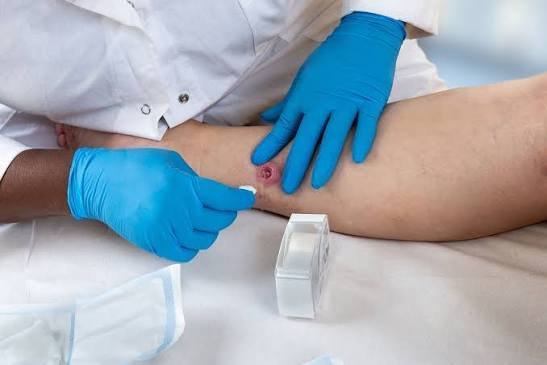
Can You Get Hidradenitis Suppurativa on Your Face? Yes, it is possible, although the face is not a typical location for this chronic inflammatory skin condition. Hidradenitis suppurativa (HS), also known as acne inversa, usually develops in areas where skin rubs together, such as the armpits, groin, buttocks, and inner thighs. In less common situations, lesions associated with HS may appear on or near the face, particularly around the jawline, cheeks, or hair-bearing areas.
Facial bumps can be concerning because they may cause pain, swelling, drainage, and visible scars. However, facial HS can be difficult to distinguish from acne, folliculitis, infected cysts, and other skin conditions. Understanding the differences is important for obtaining the right diagnosis and avoiding unsuitable treatments.
What Is Hidradenitis Suppurativa?
Hidradenitis suppurativa is a chronic inflammatory disease involving hair follicles. It commonly begins when a hair follicle becomes blocked and inflamed. The follicle may rupture, triggering inflammation in the surrounding tissue and leading to painful lumps beneath the skin.
These lumps can develop into abscesses that release pus or other fluid. With repeated inflammation, some patients develop tunnels beneath the skin and permanent scars. The disease may improve temporarily before new lesions appear.
HS is not simply ordinary acne or a collection of recurring boils. It has a distinct pattern of recurrence and commonly affects particular body regions.
The condition is also not contagious and is not caused by poor hygiene. Although bacteria may contribute to secondary infections, inflammation plays a central role in the disease.
HS can affect people of different ages and backgrounds, usually beginning after puberty. Its severity varies considerably, ranging from occasional inflammatory nodules to extensive disease that affects daily activities and emotional well-being.
Can Hidradenitis Suppurativa Affect the Face? What Research Says
The face is an unusual location for HS because the condition primarily affects skin folds and other characteristic body areas. Nevertheless, unusual presentations have been described in medical literature, and facial involvement may occur in some individuals.
Research on HS focuses mainly on the armpits, groin, buttocks, and other commonly affected areas. Evidence specifically examining facial HS is more limited, so it is important not to overstate how frequently it occurs.
When painful facial lesions appear in someone who already has HS elsewhere, a dermatologist may consider whether the lesions represent an unusual manifestation of the disease. However, facial bumps alone are not sufficient to establish that diagnosis.
Several other skin conditions can produce similar symptoms. The location, appearance, recurrence pattern, medical history, and presence of typical HS lesions elsewhere help clinicians determine the most likely explanation.
Where Might Facial HS Appear?
When HS-like lesions affect the face, their location may overlap with areas commonly affected by acne or inflammation of hair follicles.
1. Jawline and Lower Face
Painful lumps along the jawline may resemble deep inflammatory acne. Some people notice recurring lesions in similar locations, which can make identifying the underlying cause difficult.
2. Cheeks
Inflammatory nodules or abscess-like lesions may develop on the cheeks. However, acne, infected cysts, and other inflammatory skin conditions are generally more common explanations for these symptoms than facial HS.
3. Chin
The chin contains hair follicles that can become inflamed. Recurrent bumps in this region may result from acne, ingrown hairs, or folliculitis. A clinician will consider the overall pattern before diagnosing HS.
4. Hair-Bearing Facial Areas
Hair-bearing skin can develop follicular inflammation. In some cases, painful lesions may be associated with shaving irritation or ingrown hairs rather than HS.
Not every facial bump that contains pus is hidradenitis suppurativa. A proper examination helps prevent misdiagnosis and unnecessary treatment.
Symptoms to Recognize
The symptoms of HS vary depending on the affected area and disease severity. If facial involvement is suspected, possible features may include:
- Painful lumps:Firm nodules beneath the skin that may feel tender when touched.
- Recurring lesions:Bumps that return in the same area or repeatedly develop nearby.
- Swelling and redness:Inflamed skin surrounding a nodule or abscess.
- Drainage:Some lesions may open and release pus or fluid.
- Scarring:Repeated inflammation can leave marks or permanent scars.
- Deep inflammation:Lesions may feel larger or more painful than ordinary surface-level pimples.
These features are not unique to HS. For example, deep acne can also cause painful nodules and permanent scars. A clinician must consider the full clinical picture rather than relying on one symptom.
How Is Facial HS Different From Acne?
Acne and hidradenitis suppurativa can both cause inflamed bumps, but they differ in their typical locations, patterns, and underlying processes.
Acne commonly affects the face, chest, shoulders, and back. It may produce blackheads, whiteheads, papules, pustules, and deeper nodules.
HS more commonly affects the armpits, groin, buttocks, and other areas where skin folds or rubs together. Recurring abscesses, tunnels beneath the skin, and characteristic scarring can provide important clues.
| Feature | Hidradenitis suppurativa | Acne |
| Typical locations | Armpits, groin, buttocks, skin folds | Face, chest, shoulders, back |
| Lesions | Deep nodules, abscesses, tunnels | Blackheads, whiteheads, pimples, nodules |
| Recurrence | Often returns in characteristic areas | May recur across acne-prone skin |
| Tunnels beneath skin | Can develop in advanced disease | Not a typical feature |
| Scarring | May develop after repeated inflammation | Possible, particularly with severe acne |
These differences are general patterns rather than absolute rules. A person can have both conditions at the same time.
Other Conditions That May Resemble Facial HS
Several common skin problems can look similar to HS, making professional assessment particularly important when symptoms appear on the face.
Folliculitis
Folliculitis occurs when hair follicles become inflamed, sometimes because of bacterial infection, friction, or shaving. It often causes small red bumps or pustules around individual hairs.
Inflammatory Acne
Deep inflammatory acne can cause painful nodules, pus-filled lesions, and scarring. It commonly affects the cheeks, chin, and jawline.
Skin Abscesses
An abscess is a collection of pus within tissue. It may cause swelling, tenderness, and warmth. Some abscesses require medical drainage or antibiotics, depending on their cause and severity.
Epidermoid Cysts
These cysts can develop beneath the skin and sometimes become inflamed or infected. They may feel like rounded lumps and can recur if the underlying cyst remains.
Ingrown Hairs
Ingrown hairs can cause small, tender bumps, particularly after shaving or hair removal. They may resemble folliculitis or acne.
Because these conditions require different approaches, avoid assuming that facial lesions are HS simply because you have a history of the disease.
What Causes Hidradenitis Suppurativa?
The exact cause of HS is not completely understood. Research suggests that abnormal inflammation involving hair follicles plays a major role.
Several factors may influence susceptibility or disease activity.
Genetics: HS sometimes runs in families. Having an affected relative may increase risk, although many people develop the disease without a family history.
Immune system activity: Inflammatory pathways contribute to the development and persistence of HS lesions.
Hormonal influences: Symptoms often begin after puberty, and some individuals experience changes in flare-ups around menstruation.
Smoking and other associated factors: Smoking is associated with HS and may be linked to more persistent disease. Higher body weight is also associated with HS in some populations, but the condition affects people of all body sizes.
These factors do not establish the cause of an individual facial lesion. Other explanations, such as acne or folliculitis, may be more likely when the face is the only affected area.
How Is Facial HS Diagnosed?
Can You Get Hidradenitis Suppurativa on Your Face without having lesions elsewhere? An unusual presentation may be possible, but diagnosis requires careful assessment because isolated facial lesions are not the typical pattern of HS.
A dermatologist generally considers three important features:
- Characteristic lesions:Painful nodules, abscesses, tunnels, or certain types of scarring.
- Characteristic locations:Commonly affected regions include the armpits, groin, buttocks, and other skin folds.
- Recurrence:Lesions that repeatedly develop over time.
A clinician may ask when the symptoms began, whether the lesions return, whether they drain, and whether similar problems occur elsewhere on the body.
A physical examination is usually central to diagnosis. Additional testing may be recommended when an infection or another condition is suspected. A bacterial culture may sometimes be useful when there are signs of secondary infection, but it does not independently confirm HS.
If the lesions are limited to the face, a dermatologist may investigate acne, folliculitis, cysts, and other more common causes before considering an unusual HS presentation.
Treatment Options for Facial Lesions
Treatment depends on the actual diagnosis, severity, location, and medical history. Facial skin requires particular care because inappropriate products or procedures can cause irritation, pigmentation changes, or scarring.
1. Prescription Topical Treatments
Depending on the diagnosis, a clinician may prescribe topical medication to manage inflammation or specific skin conditions. Treatments used for acne are not necessarily appropriate for HS, and products intended for one condition should not automatically be used for another.
2. Oral Medications
For confirmed HS, oral antibiotics may be considered in selected cases to reduce inflammatory activity or address a secondary infection. Other systemic treatments may be appropriate for moderate or severe disease.
Treatment decisions depend on the overall disease pattern, previous treatment response, possible side effects, and individual circumstances.
3. Biologic Medicines
For eligible patients with moderate-to-severe HS, dermatologists may recommend biologic medicines that target inflammatory pathways. These medicines require professional supervision and safety monitoring.
Their suitability depends on the diagnosis and the severity of disease, not simply on the presence of a painful facial bump.
4. Procedures
Certain abscesses or persistent lesions may require a medical procedure. However, procedures on the face must be selected carefully to minimize tissue damage and visible scarring.
Never attempt to cut open or drain a facial lump at home.
Skin Care and Home Management
Gentle skin care can reduce irritation while a diagnosis is being established or treatment is underway.
- Cleanse gently:Use a mild, fragrance-free cleanser and lukewarm water.
- Avoid squeezing:Picking or squeezing lesions can worsen inflammation and increase the risk of scarring.
- Be careful with shaving:Avoid shaving directly over painful bumps. Consider reducing friction from hair-removal practices.
- Use suitable moisturizers:Choose non-comedogenic products if acne is also a concern.
- Protect the skin from sunlight:Sunscreen can help reduce the appearance of lingering discoloration and protect healing skin.
- Follow medical instructions:Use prescription products only as directed, especially around the eyes and other sensitive areas.
If a lesion becomes increasingly painful, swollen, or warm, seek medical advice rather than repeatedly applying different over-the-counter products.
Natural Approaches and Their Limitations
Some people explore complementary approaches to support skin comfort. However, natural products should not be considered proven cures for hidradenitis suppurativa.
People researching Herbal Treatment For Hidradenitis Suppurativa should evaluate the available evidence carefully and discuss products with a healthcare professional. Herbal preparations can cause allergic reactions, irritate facial skin, or interact with prescribed medication.
Similarly, Natural Remedies For Hidradenitis Suppurativa may include supportive habits such as gentle cleansing, avoiding friction, and using a comfortably warm compress when appropriate. These practices may help with comfort, but they cannot reliably eliminate the underlying disease.
Avoid applying undiluted essential oils, strong herbal mixtures, or harsh home remedies to inflamed facial lesions. These products may worsen irritation and cause additional skin damage.
If you are researching Natural Herbs Clinic, assess treatment claims carefully and look for clear information about ingredients, safety, scientific evidence, and limitations. No herbal product should be assumed to cure HS or replace a professional diagnosis.
When Should You See a Dermatologist?
Arrange a medical appointment if you have recurring painful facial nodules, persistent abscesses, unexplained scarring, or lesions that do not improve with appropriate care.
Seek prompt medical attention if you develop rapidly spreading redness, severe pain, fever, or significant swelling around the eyes. These symptoms can indicate a potentially serious infection or another condition requiring urgent treatment.
Early assessment is particularly valuable when lesions recur or when you already have HS elsewhere on the body. A dermatologist can determine whether the facial symptoms are related to HS or require a different treatment approach.
Frequently Asked Questions
1. Can You Get Hidradenitis Suppurativa on Your Face even if you have never had it elsewhere?
Facial involvement is possible but unusual. If the face is the only affected area, other conditions such as acne, folliculitis, or cysts may be more likely. A dermatologist can evaluate the symptoms and determine the cause.
2. Is facial HS contagious?
No. HS is a chronic inflammatory disease and is not spread through ordinary physical contact. However, other skin conditions can resemble HS, so diagnosis matters.
3. Can facial HS leave permanent scars?
Yes, repeated deep inflammation can cause scarring. Early diagnosis and appropriate treatment may help reduce further inflammation and the risk of additional scars.
4. Can acne treatments help facial HS?
Not necessarily. Acne and HS are different conditions, and their treatments may differ. Some products can irritate inflamed skin, so seek professional advice before combining treatments.
5. Should I squeeze a painful facial lump?
No. Squeezing can worsen inflammation, damage the surrounding tissue, and increase scarring. A healthcare professional can determine whether medication or drainage is needed.
6. Can natural remedies cure facial HS?
No natural remedy has been established as a reliable cure. Gentle skin care may support comfort, but persistent or severe symptoms require appropriate medical assessment.
7. Which specialist should I consult?
A dermatologist is usually the best specialist for evaluating recurring facial lesions and determining whether they represent acne, folliculitis, HS, or another skin condition.
Conclusion
Facial involvement in hidradenitis suppurativa is possible but uncommon. Because the face is not a typical location for the disease, recurring facial lumps should be assessed carefully rather than automatically attributed to HS.
Can You Get Hidradenitis Suppurativa on Your Face? The answer is yes, in unusual cases, but research specifically focused on facial HS remains limited. Acne, folliculitis, infected cysts, and other skin conditions are important alternative explanations.
The best approach is to seek an accurate diagnosis, follow an individualized treatment plan, and protect the skin from unnecessary irritation. Gentle skin care may improve comfort, but prescription treatments or procedures may be needed depending on the underlying condition. Avoid unproven remedies and seek prompt medical attention for severe pain, fever, rapidly spreading redness, or swelling around the eyes.
Medical Disclaimer
This article is intended for educational and informational purposes only. It does not replace professional medical advice, diagnosis, or treatment.