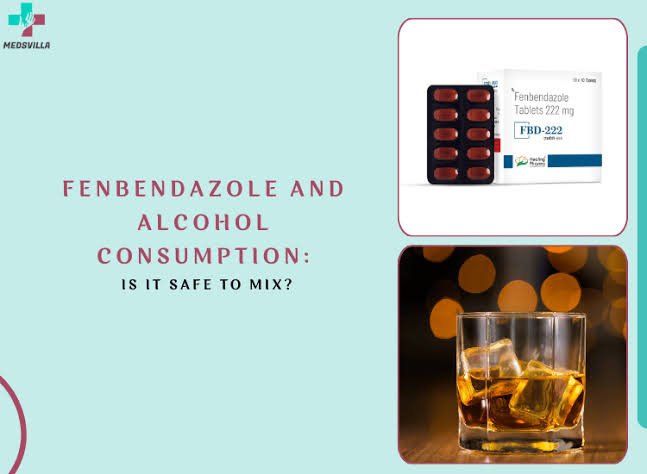
Fenbendazole is an antiparasitic medication primarily used in veterinary medicine to treat certain intestinal worm infections in animals. As interest in this medication grows, people are increasingly searching for information about its potential side effects, safety, and interactions with alcohol.
One common question is whether fenbendazole and alcohol can increase the risk of adverse effects. Although there is limited research on this specific combination in humans, fenbendazole itself has raised safety concerns, including reports of liver injury following unsupervised use.
Understanding these risks can help people make informed decisions and recognize when professional medical advice is necessary.
What Is Fenbendazole?
Fenbendazole belongs to a group of antiparasitic medications known as benzimidazoles. It works by interfering with essential cellular processes in susceptible parasites, helping eliminate certain intestinal worms.
Veterinarians use fenbendazole to treat parasitic infections in animals. However, it is not approved for human use in the United States, and its safety and effectiveness in people have not been adequately established.
Some websites promote fenbendazole for human conditions, including cancer. However, there is insufficient clinical evidence to establish that it is a safe or effective cancer treatment for humans. Self-medicating with veterinary products can expose people to potentially serious adverse effects.
Can Alcohol Increase Fenbendazole Side Effects?
It is not known whether alcohol directly increases fenbendazole side effects in humans. Adequate clinical research has not established a specific interaction, a safe amount of alcohol to consume, or a reliable waiting period between taking fenbendazole and drinking alcohol.
Nevertheless, caution is warranted because fenbendazole’s safety profile in humans remains uncertain.
Alcohol can irritate the digestive system and contribute to nausea, vomiting, and dehydration. Heavy or prolonged alcohol consumption can also damage the liver. These effects may complicate the assessment of symptoms in someone who has taken an unapproved medication.
Avoiding alcohol while seeking medical advice about fenbendazole use is a sensible precaution. This recommendation reflects uncertainty about safety rather than proof that the combination causes a particular reaction.
If you have already consumed alcohol after taking fenbendazole, do not assume that harm will necessarily occur. Contact a healthcare professional for individualized guidance, especially if you have liver disease, take other medications, or develop unusual symptoms.
Potential Side Effects of Fenbendazole
The effects of fenbendazole in humans have not been sufficiently studied. Information from veterinary use and published human case reports nevertheless highlights several concerns.
1. Liver Injury
One of the most important safety concerns is potential liver damage. A published case report described severe drug-induced liver injury in a woman who had been taking veterinary fenbendazole without medical supervision. Her liver function improved after the medication was discontinued.
Alcohol can also harm the liver, particularly with heavy or repeated consumption. However, there is insufficient evidence to determine whether alcohol specifically increases the risk of fenbendazole-related liver injury.
Possible warning signs include:
- Yellowing of the skin or eyes
- Dark urine
- Persistent nausea or vomiting
- Unusual tiredness
- Pain in the upper-right abdomen
Seek urgent medical assessment if these symptoms develop.
2. Digestive Problems
Nausea, vomiting, abdominal discomfort, and diarrhea may occur with antiparasitic medications. Alcohol can also irritate the stomach and worsen digestive symptoms in some people.
Although these effects could overlap, research has not established whether drinking alcohol makes fenbendazole-related digestive problems more severe.
Persistent vomiting, severe abdominal pain, or signs of dehydration require medical attention.
3. Dizziness and General Discomfort
Dizziness, headache, and weakness can have various causes, including medication effects, dehydration, and alcohol consumption.
Because fenbendazole has not been adequately studied in humans, its potential effects and interactions cannot be predicted reliably. Avoid driving or operating machinery if you feel dizzy, weak, or impaired.
What About Fenbendazole and Ivermectin Products?
Ivermectin is an approved human medicine for certain parasitic infections when prescribed in an appropriate formulation. Fenbendazole, however, is a veterinary medication that has not been established as safe and effective for human treatment.
Combining these substances without medical supervision introduces additional uncertainty regarding dosing, adverse effects, and interactions.
A 2026 case report described severe liver injury following the unsupervised use of veterinary-grade fenbendazole and ivermectin by a person with prostate cancer. The report cannot establish how frequently such injuries occur, but it highlights the potential seriousness of using these products without appropriate medical guidance.
People searching for ivermectin and fenbendazole pills for humans should understand that online marketing does not establish that a product is approved, safe, or effective for human use.
Neither medication should be used as a substitute for proven cancer treatments based on unsupported online claims.
Fenbendazole and Ivermectin Tablets Price: What Should You Know?
The search term fenbendazole and ivermectin tablets price may lead to online listings with different strengths, quantities, and formulations.
However, price alone cannot establish a product’s authenticity, quality, or safety. Veterinary products may differ from approved human medicines in formulation, concentration, and labeling.
Before purchasing any antiparasitic medication, consult a qualified healthcare professional and use a legitimate pharmacy for medicines approved for human treatment. Avoid products that promise guaranteed cures or make unsupported claims about treating serious diseases.
How to Reduce Potential Risks
If you have taken fenbendazole or are considering using it, follow these precautions:
- Avoid alcohol as a precaution: There is insufficient evidence to confirm that the combination is safe.
- Do not self-medicate: Veterinary formulations should not be used to treat human conditions without appropriate medical guidance.
- Review other medications: Tell your healthcare professional about all medicines and supplements you take.
- Pay attention to symptoms: Seek medical advice if you experience persistent nausea, abdominal pain, unusual fatigue, or other concerning changes.
- Do not delay established treatment: Avoid replacing prescribed treatment for cancer or another serious condition with an unproven alternative.
If you have taken fenbendazole with alcohol, explain how much you consumed, what product you used, and when you took it to a healthcare professional. Seek emergency care for severe abdominal pain, confusion, fainting, difficulty breathing, or yellowing of the skin or eyes.
Final Thoughts
Whether alcohol increases fenbendazole side effects remains uncertain because adequate human research is lacking. Nevertheless, potential liver injury and the unknown risks of veterinary medication use make caution essential.
Online searches may lead to products advertised as fenbendazole ivermectin pills or fenbendazole ivermectin capsules. These search terms may refer to products marketed as combinations of two antiparasitic substances, but their ingredients, concentrations, quality, and regulatory status can vary.
Avoid alcohol as a precaution, do not use veterinary fenbendazole for self-treatment, and consult a qualified healthcare professional if you have taken the medication. Reliable medical guidance is particularly important when considering products marketed as fenbendazole and ivermectin combinations.
Frequently Asked Questions
Does alcohol make fenbendazole less effective?
There is insufficient human research to determine whether alcohol changes fenbendazole’s effectiveness. Fenbendazole has not been established as a safe and effective human treatment.
How long should you wait before drinking alcohol after fenbendazole?
There is no scientifically established waiting period for alcohol consumption after fenbendazole in humans. Seek professional advice rather than relying on an unverified time interval.
Can fenbendazole and ivermectin be taken together?
Do not combine these medications for self-treatment. Their safety and effectiveness as a combination in humans have not been established.