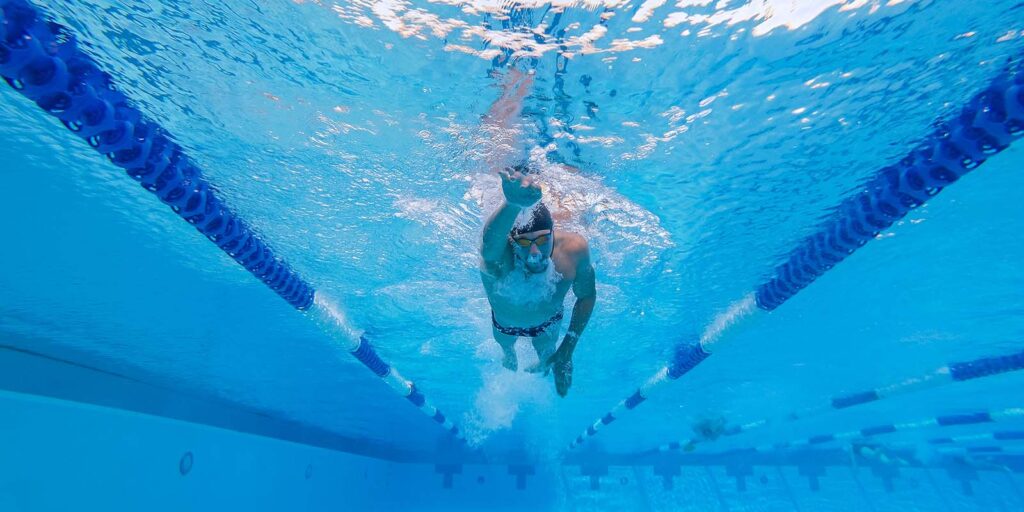
A solid swimming training program can absolutely push you toward competitive levels if you commit to smart technique, consistent work, and recovery. It’s not magic, but it builds the foundation pros rely on. This post breaks down what actually works based on how elite swimmers train.
The Reality Check: Can Anyone Get Competitive?
Look, most weekend swimmers dream of dropping serious time and racing at a higher level. But let’s be real. A proper swimming training program isn’t just about showing up and splashing around. It takes structure. Professional athletes unlock serious speed through technique tweaks, brutal training, and recovery hacks that most people miss. These methods cut drag, boost power, and help you glide faster without burning out.
I’ve seen plenty of folks thrash in the water thinking effort alone will do it. The truth? A well-designed program teaches you to work smarter. It mixes drills, volume, and strength work tailored to your goals. Stick with it and yeah, competitive levels become realistic. But only if you stop guessing and start following proven stuff.
The Real Deal on Technique That Actually Matters
Technique separates the good from the great in any swimming training program. I’ve watched swimmers muscle through laps like it’s a fight. Pros know better. It’s not about raw power. The biggest win comes from slashing drag while making every stroke count.
They obsess over body position, keeping a long, straight line from head to toes so they slice through water instead of fighting it. Poor balance sinks your hips and kills momentum. Elite swimmers lock in high elbows on the catch and a strong, propulsive pull. One small tweak in body rotation can make you feel like you’re suddenly flying. No magic tricks, just boring, consistent drilling that pays off.

Why Your Kick Can Change Everything
Don’t sleep on your legs. A good swimming training program hammers kick work because it keeps the body high and adds real propulsion. Alexander Popov, the legend, could kick 50 meters ridiculously fast. Most amateurs let their legs drag like dead weight. Big mistake.
Pros train flutter kicks from the hips with loose ankles and pointed toes. It looks effortless but comes from hours of dedicated kick sets. These build power without trashing your arms. Next time you’re in the pool, add some focused kick work. You’ll feel the difference fast, and your overall speed will thank you.
Breathing Smarter, Not Harder
Breathing is one area where a lot of swimmers screw up in their training. Pros treat it like a weapon. In sprints, they limit breaths. Some 50-free specialists have almost no breath at all. For longer events, they lock into a rhythm that matches the distance without gasping every stroke.
It’s all about oxygen management and staying relaxed under pressure. They drill breath control until it’s automatic. Mess this up and your whole stroke falls apart. Get it right and you stay efficient way longer. Simple but often ignored in casual programs.
Training Like They Actually Mean It
Elite swimmers don’t mess around with half-assed sessions. Many swim twice a day, six days a week, piling up serious yardage. Michael Phelps logged around 80,000 meters a week at his peak. But it’s never mindless. A quality swimming training program mixes high-volume endurance with sharp speed intervals.
Dryland work matters too: weights, plyometrics, and core exercises that actually transfer to the water. Sprinters focus on explosive power while distance swimmers build grinding endurance. It’s personalized, not one-size-fits-all. That’s why random pool time rarely gets you competitive.
The Power of Drills and Streamlines
Watch Olympic-level prep and you’ll see endless drills. Single-arm freestyle, fingertip drag, catch-up stroke. These aren’t fillers. Pros use them to groove perfect technique into their muscle memory. Streamlining off every wall is non-negotiable. Tight, long, and powerful push-offs save huge energy.
They film themselves constantly. What feels good in the water often looks sloppy on video. That brutal honesty fixes small flaws before they become bad habits. Incorporating these into your swimming training program separates those who plateau from those who keep improving.
Recovery – The Underrated Secret Weapon
Here’s something blunt: you can’t train like a pro if you recover like an amateur. Elite athletes treat sleep, massage, and ice baths as seriously as their workouts. Phelps swore by recovery tools. They understand the body adapts during rest, not just during hard sets.
Nutrition gets dialed in too. Plenty of calories, balanced macros, and smart timing. No junk food if you want real performance. Even shaving down before big meets reduces drag and improves water feel. Ignore recovery and your swimming training program will backfire with burnout or injury.
Mental Game and Race Strategy
Swimming fast isn’t only physical. Pros visualize races, stay locked in under pressure, and pace themselves smartly. They train with faster swimmers to push their limits. Mental toughness comes from grinding through tough sets day after day.
They track everything: stroke counts, splits, technique cues. Specific goals keep them honest. That discipline over months and years creates the edge. A complete swimming training program includes this mental side, not just laps.
Equipment and Tech That Give Real Edges
Modern suits, caps, paddles, and fins help. But pros don’t rely on gear alone. They use resistance tools, underwater cameras, and data to refine every detail. Some facilities even have special current pools to simulate race conditions.
It’s about stacking every tiny advantage. In your own program, start basic and add tools as you improve. Don’t chase fancy stuff before nailing fundamentals.
Putting It All Together in Practice
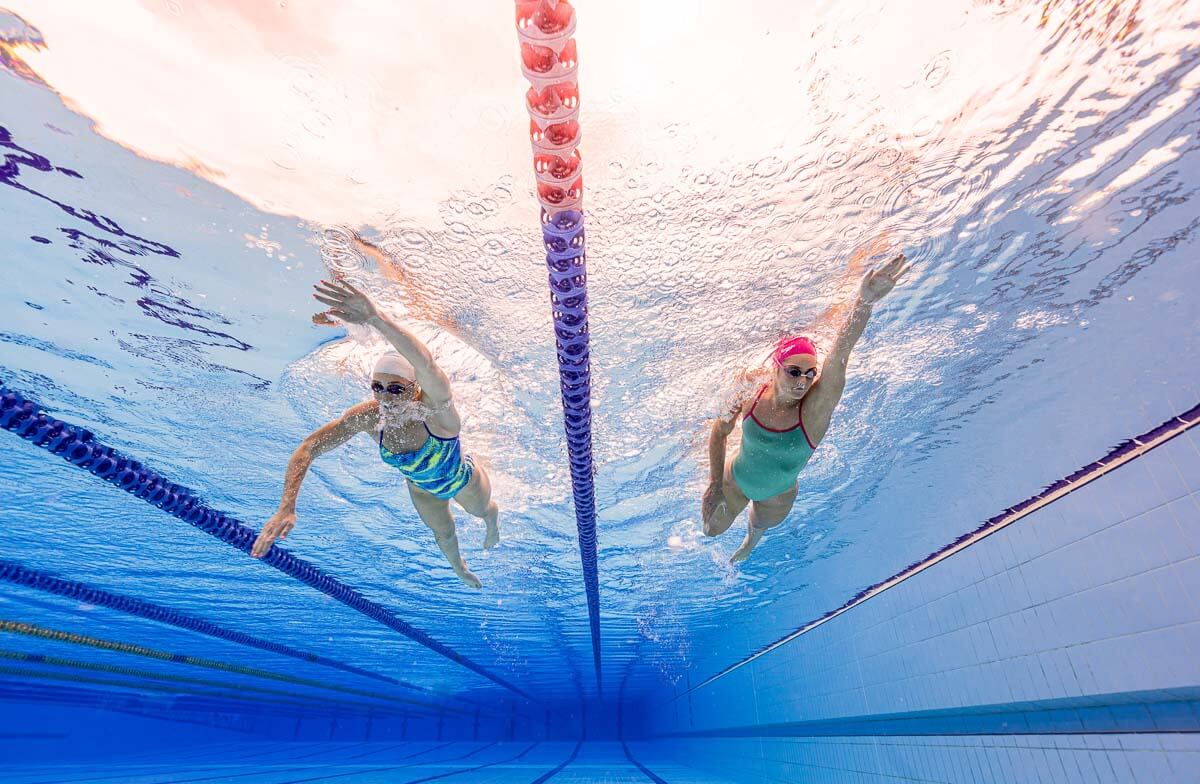
Real progress happens when you combine everything. Start with technique, then layer fitness around it. Don’t blindly copy pro workouts. Understand the why behind each piece. Focus first on better streamlines and balance, then add kick and pull work. Build volume gradually.
Most people quit too early on the technical stuff. Stick with a structured swimming training program and the results compound over time. You’ll swim faster and more efficiently.
Common Pitfalls to Dodge
Lots of swimmers chase huge yardage without fixing technique and end up injured or stuck. Others ignore recovery and wonder why they’re not improving. Pros pay attention to body signals and adjust. Improvement in the pool is slow but steady when done right.
Conclusion
The key things that make professional swimmers better have all been mentioned in this piece. Some or even most of them will produce noticeable results. And if you are really determined, try using one of the faster swimming packages available online, which will accelerate your learning process by leaps and bounds.