Manufacturing businesses today operate in a fast-changing environment. Rising customer expectations, changing market demand, supply chain challenges, and increasing competition make it important to work smarter. Relying on spreadsheets or disconnected software often leads to delays, errors, and poor decision-making.
This is why many companies are investing in ERP for manufacturing. A modern ERP system brings different business functions together on one platform, making it easier to manage production, inventory, finance, sales, procurement, and customer service.
Choosing the right solution and an experienced implementation partner can help manufacturers improve efficiency, reduce costs, and support long-term growth.
What is ERP for Manufacturing?
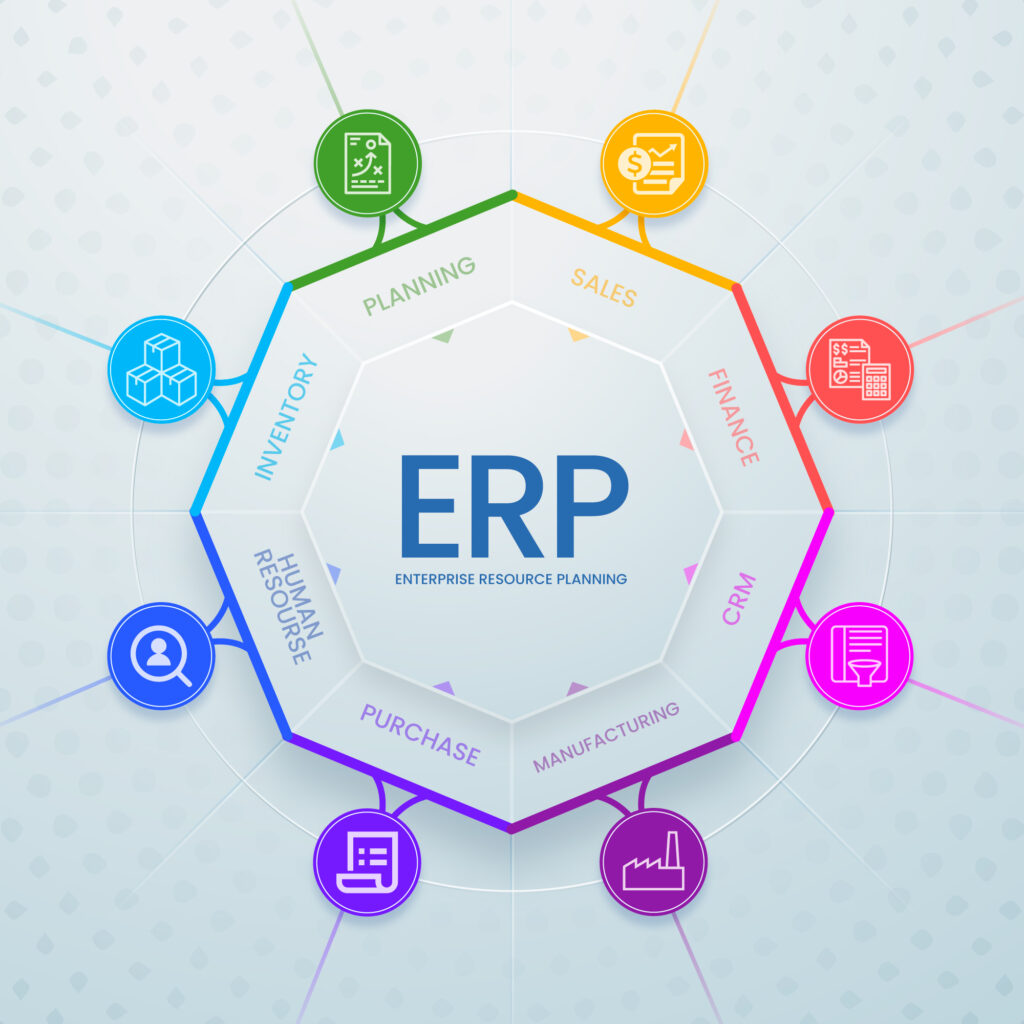
ERP for manufacturing is a business management system designed to connect every major process within a manufacturing organization. Instead of using separate applications for inventory, production planning, purchasing, finance, and sales, all information is stored in one central system.
This allows different departments to access accurate, real-time data and work together more effectively.
A manufacturing ERP system typically includes:
- Production planning
- Inventory management
- Procurement
- Sales and distribution
- Finance and accounting
- Quality management
- Warehouse management
- Reporting and analytics
With better visibility across operations, manufacturers can make informed decisions and respond faster to changing business needs.
Common Challenges Faced by Manufacturers
Many manufacturing businesses struggle with operational issues that affect productivity and profitability. These include:
- Poor inventory visibility
- Delayed production schedules
- Manual data entry
- Difficulty tracking raw materials
- Inaccurate demand forecasting
- Slow reporting
- Limited coordination between departments
These challenges can result in higher costs, missed deadlines, and reduced customer satisfaction. A well-implemented ERP system helps solve these problems by providing accurate information across the business.
Benefits of ERP for Manufacturing
Implementing ERP for manufacturing offers several advantages for businesses of all sizes.
Better Production Planning
Production managers can schedule jobs more efficiently by using real-time information about raw materials, machine availability, and workforce capacity. This helps reduce production delays and improve on-time delivery.
Improved Inventory Control
ERP systems provide complete visibility into stock levels, helping businesses avoid overstocking and stock shortages. Better inventory management also improves cash flow.
Faster Decision Making
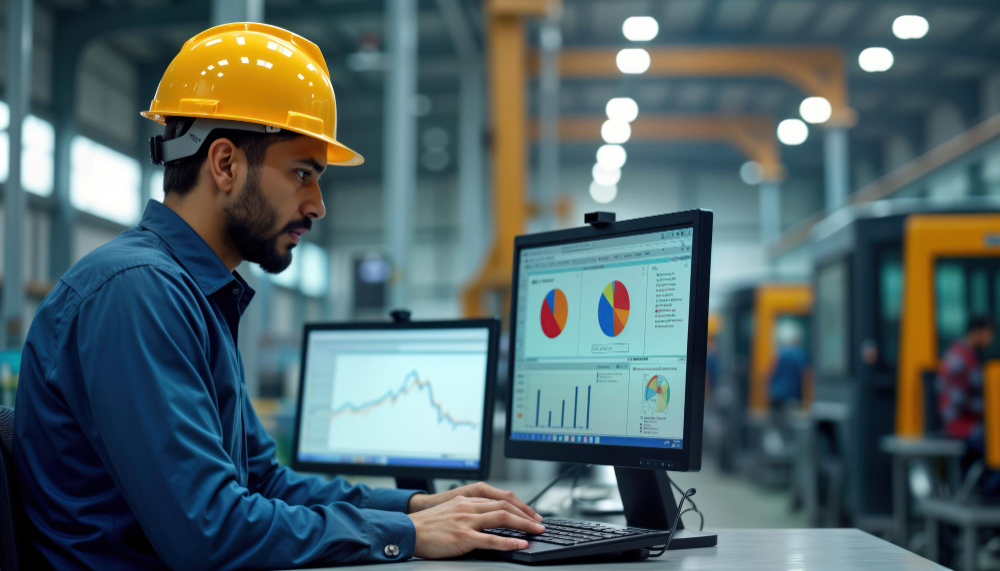
Since all business information is available in one place, managers can generate reports instantly. Real-time dashboards help leadership teams monitor performance and make quicker decisions.
Better Financial Management
ERP integrates financial data with operational activities. Businesses gain better control over budgeting, expenses, profitability, and compliance.
Higher Customer Satisfaction
Accurate production schedules and improved order tracking let manufacturers deliver products on time and maintain better communication with customers.

Why Choosing the Right Implementation Partner Matters?
An ERP project involves more than installing software. Successful implementation requires careful planning, business process analysis, employee training, data migration, and ongoing support.
An experienced implementation partner understands industry-specific challenges and helps configure the system according to business requirements.
A reliable partner will typically:
- Analyze existing business processes
- Recommend suitable ERP modules
- Plan the implementation roadmap
- Migrate existing data securely
- Train employees
- Provide post-implementation support
Working with an experienced partner reduces project risks and helps businesses achieve faster returns on investment.
Features to Look for in Manufacturing ERP Software
Every manufacturing business has unique requirements, but certain features are essential for long-term success.
These include:
- Production planning and scheduling
- Bill of Materials (BOM) management
- Material Requirements Planning (MRP)
- Inventory tracking
- Procurement management
- Quality control
- Financial accounting
- Business intelligence and reporting
- Customer relationship management
- Mobile accessibility
Cloud-based ERP systems also offer greater flexibility, allowing businesses to access information securely from different locations.
Why Indian Manufacturers Are Adopting ERP
India’s manufacturing sector continues to grow across industries such as automotive, engineering, pharmaceuticals, food processing, textiles, and electronics.
As businesses expand, manual systems become difficult to manage. Manufacturers need better visibility into production, inventory, procurement, and customer orders.
This has increased the demand for ERP for manufacturing, especially among small and medium-sized enterprises looking to improve operational efficiency without increasing costs.
Digital transformation is no longer limited to large organizations. Businesses of every size are recognizing the value of integrated ERP solutions.
Choosing the Right ERP Company
Selecting the right implementation partner is just as important as selecting the software itself. An experienced ERP company in India can guide businesses through every stage of the ERP journey.
When evaluating an implementation partner, consider the following:
- Experience in manufacturing ERP projects
- Industry expertise
- Certified implementation consultants
- Customer references
- Training capabilities
- Post-implementation support
- Customization expertise
A trusted ERP company in India will focus on understanding business goals before recommending the right solution.
Preparing for a Successful ERP Implementation
Businesses should prepare carefully before starting an ERP project.
Some best practices include:
- Define clear business objectives.
- Involve key stakeholders from every department.
- Review existing business processes.
- Clean existing business data before migration.
- Train employees well before system launch.
- Monitor progress after implementation.
Good planning significantly increases the chances of project success.
Conclusion
Manufacturing businesses need complete visibility, accurate information, and efficient processes to remain competitive. Investing in ERP for manufacturing helps organizations streamline operations, improve productivity, reduce costs, and support future growth.
However, technology alone is not enough. Success depends on choosing an experienced implementation partner who understands manufacturing processes and business requirements. A trusted ERP company in India can help businesses implement the right ERP solution, minimize disruption, and maximize long-term value.
As manufacturing continues to evolve, businesses that embrace digital transformation today will be better positioned to meet future challenges and capture new growth opportunities.