botox treatment for face
Botox treatment for face has become a popular non-surgical cosmetic procedure for people who want to reduce the appearance of wrinkles and achieve a smoother, refreshed look. It is commonly used to soften forehead lines, frown lines between the eyebrows, and crow’s feet around the eyes. With a relatively quick procedure and minimal downtime, Botox offers an option for individuals seeking facial rejuvenation without undergoing surgery.
Before choosing this treatment, it is important to understand how Botox works, what results you can expect, which areas can be treated, and how to care for your skin afterward. Consulting a qualified medical professional can help you determine whether Botox is suitable for your facial concerns and aesthetic goals.
What Is Botox Treatment for Face?
Botox is a brand name for a purified form of botulinum toxin type A, a substance used in small, controlled doses for several medical and cosmetic purposes. In facial aesthetics, it works by temporarily reducing the activity of specific muscles responsible for creating dynamic wrinkles.
Dynamic wrinkles develop through repeated facial expressions, such as smiling, frowning, squinting, and raising the eyebrows. Over time, these movements can contribute to visible lines, particularly on the forehead and around the eyes.
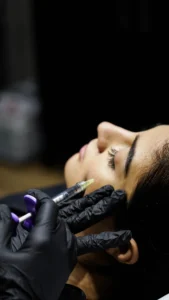
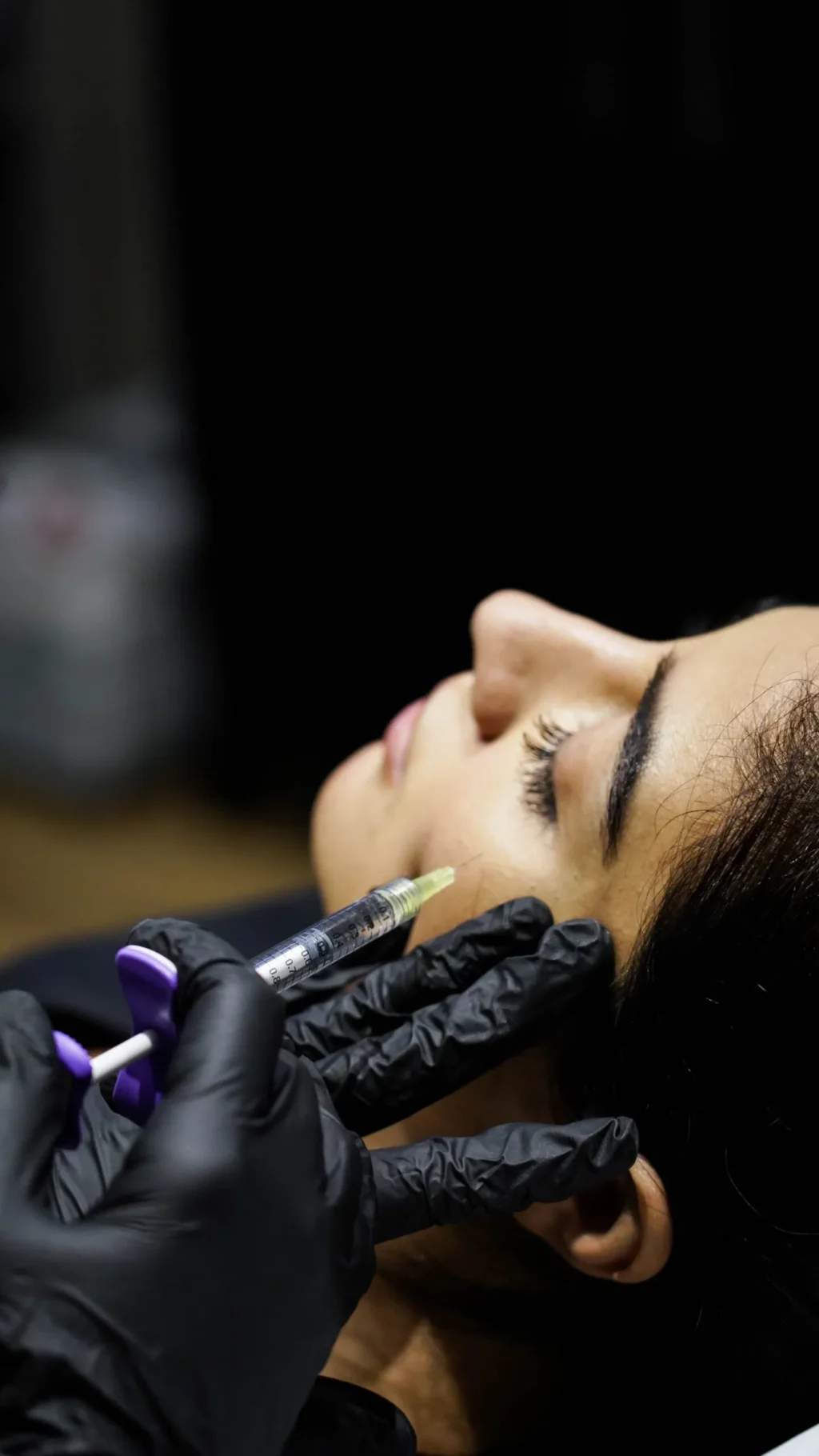
During Botox treatment, a qualified healthcare professional injects small amounts of the product into carefully selected facial muscles. By relaxing targeted muscles, the treatment can soften existing expression lines while helping prevent them from becoming more pronounced.
Botox does not fill wrinkles or add volume to the face. Instead, it temporarily reduces muscle movement in the treated areas, creating a smoother appearance while allowing the surrounding facial muscles to function normally.
Benefits of Botox Treatment for Face
Botox offers several potential benefits for individuals who want to improve the appearance of facial wrinkles without surgery.
1. Reduces the Appearance of Fine Lines and Wrinkles
One of the main reasons people choose Botox is its ability to soften expression-related wrinkles. It is commonly used to treat forehead lines, frown lines, and crow’s feet. Results depend on the treatment area, muscle strength, dosage, and individual response.
2. Provides a Non-Surgical Approach to Facial Rejuvenation
Botox injections do not require incisions or general anaesthesia. Most cosmetic appointments are relatively short, making the procedure convenient for people with busy schedules.
3. Offers Minimal Downtime
Many people return to their usual daily activities shortly after treatment. Temporary redness, swelling, tenderness, or bruising may occur at the injection sites, but these effects generally improve within a few days.
4. Delivers Gradual, Natural-Looking Results
Botox results develop over several days rather than appearing immediately. When treatment is appropriately planned, it can soften wrinkles while preserving natural facial expressions. The goal should be a balanced appearance rather than unnecessarily restricting facial movement.
5. May Help Prevent Expression Lines From Deepening
By temporarily reducing repeated muscle contractions, Botox may help limit the formation or worsening of certain dynamic wrinkles. However, it does not stop the natural ageing process or replace a consistent skincare routine.
Which Facial Areas Can Be Treated With Botox?
Botox can be used in several facial areas, depending on the patient’s concerns and the healthcare professional’s assessment.
Forehead lines: Horizontal lines that appear when raising the eyebrows may be softened with carefully planned injections.
Frown lines: Vertical lines between the eyebrows, sometimes called glabellar lines or “11 lines,” are a common treatment area.
Crow’s feet: Fine lines around the outer corners of the eyes may become less noticeable after treatment.
Brow area: Selected injections may create a subtle eyebrow lift in suitable patients. The technique requires an understanding of facial anatomy to minimise the risk of eyebrow heaviness or asymmetry.
Chin: In certain cases, Botox may help reduce the appearance of a dimpled or uneven chin caused by muscle activity.
Jaw muscles: Botox may be used for specific concerns involving the masseter muscles, including selected cases of teeth grinding. This is a different treatment goal from reducing facial wrinkles and requires an individual assessment.
Not every facial area is appropriate for Botox. Treatment around the mouth, lower face, and neck requires particular care because unintended muscle weakness can affect speaking, smiling, swallowing, or other functions.
What Happens During a Botox Treatment?
Understanding the treatment process can help patients feel more comfortable before their appointment.
Step 1: Consultation and Facial Assessment
The process begins with a consultation with a qualified healthcare professional. The practitioner discusses your concerns, medical history, medications, allergies, previous cosmetic treatments, and desired outcome.
Your facial muscles, skin condition, and natural expressions are assessed to determine whether Botox is appropriate.
Step 2: Treatment Planning
The practitioner identifies the areas that may benefit from injections and explains the expected results, potential risks, and limitations. The dosage and injection points are selected according to individual anatomy and treatment goals.
Step 3: Preparing the Skin
The treatment area is cleaned before the injections. A numbing cream or other comfort measure may be offered when appropriate, although many people tolerate the injections without it.
Step 4: Administering the Injections
Small amounts of Botox are injected into the targeted muscles using a fine needle. The procedure typically takes around 10 to 20 minutes, depending on the number of areas being treated.
Step 5: Following Aftercare Instructions
After the appointment, the practitioner provides instructions to help minimise irritation and reduce the likelihood of complications. A follow-up appointment may be recommended to assess the results.
When Will You See Results From Botox?
Botox does not produce its full effect immediately. Some people begin noticing changes within three to five days, while the results generally develop further over approximately 10 to 14 days.
The duration varies according to the treatment area, dose, muscle activity, and individual metabolism. Cosmetic results commonly last around three to four months, although some people experience shorter or longer effects.
As the effect gradually wears off, muscle activity returns and expression lines may become visible again. Maintaining the results typically requires repeat treatment, but the appropriate interval should be determined with your healthcare professional rather than through frequent injections.
How to Care for Your Face After Botox
Following your practitioner’s aftercare advice can help support a smooth recovery.
- Avoid rubbing, pressing, or massaging the injection sites for the period recommended by your practitioner.
- Remain upright for the first few hours after treatment if advised by your healthcare professional.
- Follow specific instructions about strenuous exercise, saunas, and other activities immediately after injections.
- Continue gentle skincare and use broad-spectrum sunscreen to protect your skin from ultraviolet damage.
- Avoid scheduling additional facial treatments over the injected areas until your practitioner confirms they are appropriate.
- Contact your healthcare professional if you experience unusual symptoms or have concerns about your recovery.
It is also important to understand that Botox does not replace daily skincare. Moisturising, sun protection, adequate sleep, and other healthy habits can help maintain overall skin quality.
Is Botox Treatment for Face Safe?
Botox has an established role in cosmetic medicine when administered by appropriately qualified professionals using authorised products and suitable techniques. However, like any medical procedure, it carries potential risks.
Common side effects include temporary pain, redness, swelling, bruising, or headache. Some patients may experience eyelid or eyebrow drooping, asymmetry, or unwanted changes in facial expression.
Rare but serious complications can occur. Seek urgent medical attention if you develop difficulty breathing, swallowing, or speaking, or widespread muscle weakness after treatment.
Botox may not be suitable for everyone. Tell your healthcare professional if you are pregnant or breastfeeding, have a neuromuscular condition, have an infection at the proposed injection site, or take medicines that could affect neuromuscular function. Your practitioner can assess the relevant risks and advise whether treatment should be postponed or avoided.
Choose a properly licensed healthcare professional working in an appropriately licensed medical facility. Ask about the product being used, the practitioner’s experience, possible complications, and the plan for managing adverse effects.
How Much Does Botox Treatment for Face Cost?
The cost of Botox treatment varies depending on several factors, including the number of areas treated, the amount of product required, the practitioner’s qualifications, and the clinic’s location.
Some clinics charge per unit, while others offer prices based on individual treatment areas or packages. A lower advertised price should not be the only deciding factor when choosing a provider.
During your consultation, request a clear quotation that explains what is included, which product will be used, and whether a follow-up assessment is available. The safest treatment plan is one based on your facial anatomy and medical needs rather than a standard dose or package.
How to Choose the Right Botox Provider
Selecting an experienced provider is an important part of achieving satisfactory results. Look for a licensed medical professional with appropriate training in facial anatomy and injectable treatments.
A reliable provider should conduct a consultation before treatment, explain realistic expectations, discuss possible side effects, and answer your questions without pressuring you to proceed.
Ask whether the product is authorised for the intended use, how it is stored, and what arrangements are available if complications occur. Review before-and-after photographs carefully, remembering that results can vary from one person to another.
Avoid treatments offered in unlicensed settings or by individuals who cannot demonstrate the necessary qualifications.
Conclusion
Botox treatment for face can be an effective non-surgical option for softening forehead lines, frown lines, and crow’s feet. Its relatively short treatment time, minimal downtime, and temporary results make it an option for people seeking facial rejuvenation without surgery.
However, successful treatment depends on appropriate patient selection, a personalised injection plan, realistic expectations, and professional administration. Understanding the benefits, risks, recovery process, and expected duration of results can help you make an informed decision.
If you are considering Botox, arrange a consultation with a qualified healthcare professional to discuss your concerns and determine whether the treatment suits your needs. A carefully planned approach can help you pursue a refreshed appearance while prioritising facial function, safety, and natural-looking results.