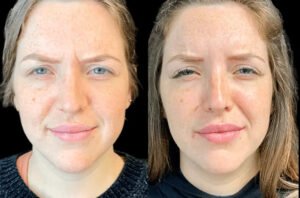
Botox and Fillers: Understanding the Difference, Benefits, and Treatment Options
Botox and fillers are among the most popular non-surgical aesthetic treatments for people looking to refresh their appearance, soften visible signs of aging, and enhance certain facial features. Although they are often mentioned together, Botox and dermal fillers work in very different ways and are designed to address different concerns.
Botox primarily works by temporarily reducing the movement of specific muscles that contribute to dynamic wrinkles. Dermal fillers, on the other hand, add volume beneath the skin and can help restore areas that have lost fullness or enhance facial contours.
Understanding how Botox and fillers work, what they can treat, how long results may last, and what to consider before treatment can help you make a more informed decision.
What Is Botox?
Botox is a purified form of botulinum toxin that is used in carefully controlled amounts for both medical and cosmetic purposes. In aesthetic treatments, it is injected into selected facial muscles to temporarily reduce their activity.
Repeated facial expressions such as smiling, frowning, squinting, and raising the eyebrows can contribute to dynamic wrinkles over time. By reducing the movement of targeted muscles, Botox can soften the appearance of these lines.
Common areas treated with Botox include:
- Forehead lines
- Frown lines between the eyebrows
- Crow’s feet around the eyes
- Certain eyebrow areas
- Other areas depending on the individual’s needs and medical assessment
The goal is generally to create a smoother and more refreshed appearance while maintaining natural facial expression.
What Are Dermal Fillers?
Dermal fillers are injectable products used to restore or add volume beneath the skin. Many modern fillers are based on hyaluronic acid, a substance naturally found in the body.
As people age, the face can gradually lose volume in areas such as the cheeks, lips, temples, and around the mouth. This volume loss can contribute to changes in facial contours and the appearance of folds.
Dermal fillers can be used to:
- Restore lost facial volume
- Enhance the lips
- Define the cheeks
- Improve certain facial contours
- Soften some facial folds
- Improve the appearance of selected scars
- Create greater facial balance
The type and amount of filler required depend on the treatment area, facial anatomy, product characteristics, and desired outcome.
Botox vs. Fillers: What Is the Difference?
The main difference between Botox and fillers is how they work.
Botox reduces muscle activity, making it particularly useful for dynamic wrinkles caused by repeated facial movement.
Dermal fillers add volume, making them more appropriate for concerns related to volume loss, facial contouring, or enhancement.
For example, forehead expression lines may respond well to Botox, while reduced cheek volume may be addressed with a dermal filler.
In some cases, a qualified aesthetic practitioner may recommend both treatments because they address different aspects of facial aging.
What Can Botox and Fillers Treat?
The appropriate treatment depends on the type of concern you want to address.
Forehead Lines
Forehead lines are often caused by repeated contraction of the forehead muscles. Botox may help soften these dynamic lines.
Frown Lines
Vertical lines between the eyebrows can become more noticeable over time. Botox can reduce the muscle activity responsible for these expressions.
Crow’s Feet
Fine lines around the outer corners of the eyes can develop from smiling and squinting. Carefully administered Botox may reduce their appearance.
Lip Enhancement
Dermal fillers can be used to add volume and definition to the lips. A conservative approach can help create subtle enhancement while maintaining natural proportions.
Cheek Enhancement
Loss of cheek volume can affect facial contours. Fillers can restore some volume and create more defined-looking cheekbones.
Nasolabial Folds
Lines running from the nose toward the corners of the mouth can become more prominent with age. Depending on the cause and facial structure, fillers may help soften their appearance.
Benefits of Botox and Fillers
Both treatments offer several potential benefits when performed appropriately by a qualified professional.
Minimally Invasive
Unlike surgical cosmetic procedures, Botox and dermal fillers generally involve injections rather than incisions.
Relatively Quick Treatments
Many treatments can be completed during a short clinic appointment, although the exact duration depends on the number of areas being treated.
Limited Downtime
Most people can resume many normal activities relatively quickly, although temporary swelling, redness, bruising, or tenderness can occur.
Customized Results
Treatment can be tailored to the individual’s facial structure, concerns, and aesthetic goals. A qualified practitioner should focus on maintaining facial balance rather than creating an overly treated appearance.
Gradual or Immediate Changes
Botox results generally develop over several days, while many dermal fillers provide some immediate volume, with the final appearance becoming clearer as temporary swelling settles.
How Long Do Botox Results Last?
Botox is temporary. Results commonly last around three to four months, although duration varies between individuals.
Factors that may influence how long Botox lasts include:
- Treatment area
- Amount used
- Muscle activity
- Individual metabolism
- Previous treatment history
Regular follow-up treatments may be required to maintain the desired effect.
How Long Do Dermal Fillers Last?
The longevity of dermal fillers varies according to the type of filler, treatment area, product characteristics, and individual factors.
Some fillers may last several months, while others can provide results for a year or longer. Areas with frequent movement may metabolize certain fillers more quickly than areas with less movement.
During your consultation, the practitioner can explain the expected duration of the specific filler recommended for your treatment.
What Happens During Botox Treatment?
Before treatment, the practitioner should evaluate your facial anatomy and discuss your goals. The treatment area is cleaned, and small amounts of Botox are injected into selected muscles using a fine needle.
The number of injections depends on the treatment area and the desired result.
The procedure is generally quick, although you may experience mild pinching or discomfort during the injections.
Following treatment, you will receive aftercare instructions designed to reduce the risk of complications and support the best possible outcome.
What Happens During Filler Treatment?
Filler treatment also begins with a consultation and assessment of your facial structure.
The practitioner determines the appropriate injection points and product based on your concerns and desired outcome. The filler is then carefully injected beneath the skin.
Some filler products contain a local anesthetic such as lidocaine, and topical numbing may also be used depending on the treatment area and patient’s comfort.
Temporary swelling or bruising can occur following treatment. Your practitioner will provide specific aftercare guidance.
Are Botox and Fillers Safe?
Botox and dermal fillers are widely used aesthetic treatments, but neither is completely risk-free.
Common temporary effects can include:
- Redness
- Swelling
- Bruising
- Tenderness
- Mild discomfort
- Temporary sensitivity
More serious complications are possible, particularly with dermal fillers if the product enters or affects a blood vessel. Therefore, choosing an appropriately qualified and experienced medical professional is extremely important.
Do not select a provider based solely on the lowest price. Proper assessment, product selection, injection technique, hygiene, and the ability to manage complications are important considerations.
Who Is a Suitable Candidate?
Botox and fillers may be suitable for adults who want to address specific aesthetic concerns without undergoing surgery.
However, treatment is not appropriate for everyone. Your practitioner should review your medical history, medications, allergies, previous cosmetic procedures, and current skin condition before recommending treatment.
Certain medical conditions, active skin infections, pregnancy, breastfeeding, or specific medications may affect treatment suitability.
A professional consultation is therefore an essential step before receiving either treatment.
Can Botox and Fillers Be Used Together?
Yes, Botox and fillers can sometimes be combined as part of a comprehensive facial rejuvenation plan.
Because they work differently, combining them may address both muscle-related wrinkles and volume loss.
For example, Botox may be used for forehead or frown lines while filler is used to restore cheek volume or enhance the lips.
However, combining treatments does not automatically produce better results. The treatment plan should be based on your facial anatomy and specific concerns.
Choosing the Right Provider
Choosing an experienced medical practitioner is one of the most important decisions when considering Botox and fillers.
Before treatment, ask about:
- The practitioner’s qualifications and experience
- The products being used
- Expected results
- Potential side effects
- Recovery requirements
- How complications are managed
- Whether the treatment is medically appropriate for you
A good practitioner should listen to your goals and explain what can realistically be achieved.
Be cautious of providers who guarantee perfect results or encourage unnecessary treatments.
Final Thoughts
Botox and fillers offer different approaches to non-surgical facial rejuvenation. Botox temporarily reduces targeted muscle activity and is commonly used for dynamic wrinkles, while dermal fillers restore or add volume to selected areas of the face.
When appropriately selected and professionally administered, these treatments can provide subtle improvements while maintaining natural facial proportions. However, individual results vary, and both treatments have potential risks.
If you are considering Botox and fillers, start with a consultation with a qualified medical professional. A personalized assessment can help determine which treatment, or combination of treatments, is appropriate for your facial anatomy, aesthetic goals, and overall health.