1643026912
The eyes play an important role in facial appearance, often influencing how refreshed, alert and youthful someone looks. However, changes around the eyelids can gradually affect the appearance of the entire face. Excess skin on the upper eyelids, drooping eyelids, under-eye bags and loose lower eyelid tissue are common concerns that may develop with age, genetics and natural changes in skin elasticity. Although these concerns occur in the same facial area, they do not always require the same surgical approach.
Blepharoplasty is an eyelid surgery designed to address specific concerns involving the upper or lower eyelids. Some individuals primarily notice excess skin above their eyes, while others are concerned about puffiness, prominent fat pockets or loose skin beneath the eyes. In certain cases, both areas may require attention to achieve a balanced appearance.
Choosing between upper and lower eyelid surgery depends on the location of the concern, the condition of the surrounding tissues, individual facial anatomy and the results a person hopes to achieve. A professional assessment helps determine which approach is appropriate rather than relying on age or appearance alone.
For individuals considering Blepharoplasty Dubai, understanding the differences between these procedures can make the consultation process more informative and help establish realistic expectations.
Understanding the Difference Between Upper and Lower Blepharoplasty
Upper and lower blepharoplasty focus on different parts of the eyelids. Although both procedures aim to improve the appearance of the eye area, the tissues being assessed and the surgical techniques involved can vary.
Upper blepharoplasty primarily addresses concerns involving the upper eyelids. These may include excess skin, heaviness around the eyelid crease and changes that make the eyes appear smaller or less open. The procedure generally involves carefully removing or repositioning selected tissue to create a more defined upper eyelid contour.
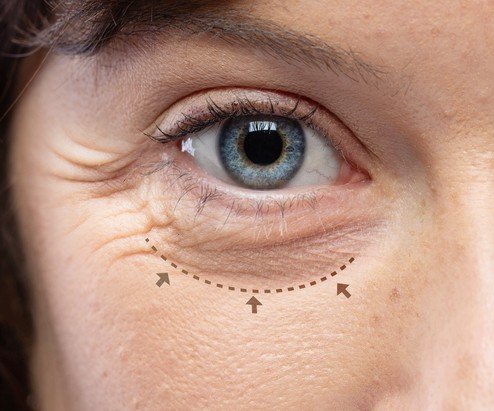
Lower blepharoplasty focuses on the area beneath the eyes. It is commonly considered when prominent under-eye bags, fat deposits or loose lower eyelid skin create a tired appearance. Depending on the individual’s anatomy, the approach may involve repositioning or removing fat and addressing excess skin.
The two procedures are not interchangeable. Someone with heavy upper eyelids may not benefit from lower eyelid surgery, while a person with noticeable under-eye bags may not need treatment of the upper eyelids.
The appropriate option depends on identifying the specific anatomical changes responsible for the concern.
When Is Upper Eyelid Surgery Needed?
Upper eyelid surgery may be considered when excess skin or changes in the upper eyelid tissues affect the appearance of the eyes. These changes can develop gradually and may become more noticeable as the skin loses some of its natural elasticity.
One of the most common concerns is excess upper eyelid skin. When the skin extends over the natural eyelid crease, it can create a heavy appearance. In some individuals, the excess tissue may also extend towards the eyelashes and interfere with the upper visual field.
Another consideration is the appearance of the eyelid crease. Some people naturally have limited upper eyelid definition, while others experience changes in the crease as the surrounding skin becomes looser.
During an assessment, a surgeon may examine:
- The amount of excess skin on each upper eyelid.
- The position and definition of the natural eyelid crease.
- Whether the eyelids appear heavy or asymmetrical.
- The relationship between the eyebrows and upper eyelids.
- The position and function of the upper eyelid muscles.
- Whether excess skin affects peripheral vision.
These observations help establish whether upper blepharoplasty is appropriate.
It is also important to distinguish excess eyelid skin from a drooping eyebrow or true eyelid ptosis. These conditions can produce a similar appearance but involve different anatomical structures and may require different treatment approaches.
When Is Lower Eyelid Surgery Needed?
Lower eyelid surgery is generally considered when changes beneath the eyes create persistent puffiness, prominent bags or loose skin.
Under-eye bags are not always caused by the same anatomical issue. In some individuals, they develop because fat compartments become more prominent. In others, changes in skin elasticity, muscle support or the transition between the lower eyelid and cheek contribute to the appearance.
Lower blepharoplasty may be suitable when these concerns are related to anatomical changes that can be addressed surgically.
A surgeon typically examines several features before recommending the procedure.
Prominent Under-Eye Fat Pockets
Fat compartments beneath the eyes naturally help provide volume and support. However, changes in the surrounding tissues can make these compartments more noticeable, producing the appearance of under-eye bags.
Depending on the individual’s anatomy, the surgeon may consider removing or repositioning selected fat to create a smoother transition beneath the eyes.
Loose Lower Eyelid Skin
Skin beneath the eyes is naturally delicate. As its elasticity changes, fine folds and excess skin may become more visible.
When loose skin is a significant concern, the treatment plan may include carefully addressing the excess tissue while maintaining the natural shape of the lower eyelid.
Tear Trough and Cheek Transition
The tear trough is the natural groove between the lower eyelid and upper cheek. Changes in fat distribution and facial volume can make this area appear more pronounced.
A lower eyelid assessment considers whether under-eye bags, hollowing or the relationship between the eyelid and cheek contributes to the overall appearance. Removing fat alone may not be appropriate when the main concern is volume loss.
What Factors Determine Which Procedure Is Appropriate?
Selecting upper or lower blepharoplasty requires more than identifying whether the concern appears above or below the eyes. Several anatomical and individual factors influence the recommendation.
1. Location of Excess Skin or Fat
The first consideration is the precise location of the concern. Excess skin concentrated on the upper eyelids may indicate a need for upper blepharoplasty. Prominent fat pockets or loose tissue beneath the eyes may make lower blepharoplasty more relevant.
If both areas show significant changes, the surgeon may discuss a combined approach.
2. Skin Elasticity and Tissue Quality
Skin elasticity influences how the eyelids respond to natural ageing. Reduced elasticity can contribute to folds, looseness and changes in eyelid definition.
The surgeon assesses the quality and amount of skin before deciding how much tissue can be addressed while preserving a natural eyelid shape.
3. Eyelid Muscle Function
The muscles responsible for opening and closing the eyes are important when evaluating eyelid concerns.
For example, upper eyelid heaviness may sometimes be associated with ptosis rather than excess skin alone. Examining muscle function helps distinguish between these conditions and identify the appropriate treatment.
4. Fat Distribution Around the Eyes
Fat distribution differs from person to person. Some individuals have prominent upper eyelid fat, while others develop noticeable lower eyelid bags.
A surgical plan should account for the existing volume and natural contours of the eye area. The objective is not necessarily to remove as much fat as possible but to achieve a balanced appearance.
5. Eyebrow Position and Facial Anatomy
The eyebrows influence how the upper eyelids appear. A lower eyebrow position can create additional skin folds and make the upper eyelids look heavier.
Similarly, cheek structure and the natural position of the lower eyelids influence the appearance of the under-eye area.
Assessing these relationships helps determine whether eyelid surgery alone can address the concern.
6. Individual Aesthetic Goals
People consider eyelid surgery for different reasons. Some want a more defined upper eyelid crease, while others want to improve the appearance of under-eye bags.
Discussing these goals during the consultation helps the surgeon understand the desired outcome and recommend an approach that respects the individual’s facial characteristics.
Can Upper and Lower Eyelid Surgery Be Performed Together?
Yes, upper and lower blepharoplasty can be performed during the same surgical treatment when both areas have concerns that are suitable for correction.
For example, someone may have excess upper eyelid skin alongside prominent under-eye bags. Treating both areas may provide a more balanced improvement than focusing on only one part of the eye region.
However, combining procedures is not automatically necessary. The decision depends on the individual’s anatomy, overall suitability and treatment objectives.
During consultation, the surgeon assesses each eyelid separately before considering whether a combined approach would be appropriate. This helps ensure that the treatment plan addresses actual concerns rather than introducing unnecessary changes.
What Happens During a Blepharoplasty Consultation in Dubai?
A detailed consultation is an important part of planning eyelid surgery. It allows the surgeon to understand the patient’s concerns, examine the eyelid structures and determine whether upper or lower blepharoplasty is suitable.
The assessment generally begins with a discussion about the changes the individual has noticed and what they hope to achieve. The surgeon may ask when the concerns first appeared and whether they have changed over time.
A physical examination follows, focusing on the eyelid skin, fat distribution, muscle function and surrounding facial structures.
Photographs may also be used to document the existing appearance and support treatment planning. Where appropriate, additional assessment of eyelid position or visual function may be recommended.
The consultation should establish:
- Whether the main concern involves the upper eyelids, lower eyelids or both.
- Whether excess skin, fat distribution or muscle position contributes to the appearance.
- Whether another procedure may be more appropriate.
- Which surgical approach is suitable for the individual’s anatomy.
- What type of improvement can reasonably be expected.
For patients researching Blepharoplasty Cost in Dubai, the consultation also provides an opportunity to understand the proposed procedure and the factors that influence its overall cost.
What Determines the Cost of Upper or Lower Blepharoplasty?
The cost of eyelid surgery can vary depending on the treatment required and the complexity of the individual case.
Upper and lower blepharoplasty involve different anatomical areas and surgical considerations. Consequently, their costs may not be identical.
Several factors can influence the overall price, including:
- Whether upper or lower eyelid surgery is required.
- Whether both procedures are planned together.
- The surgical technique selected.
- The complexity of the treatment.
- The surgeon’s experience and professional expertise.
- The clinical facility and associated services.
- The type of anaesthesia and surgical arrangements.
An accurate estimate should be provided after an individual assessment. Comparing procedures based on price alone may overlook important differences in the treatment plan and the expertise involved.
How Is a Natural-Looking Result Planned?
A natural-looking result depends on understanding the existing facial structure rather than applying the same surgical approach to everyone.
The eyelids should remain consistent with the individual’s natural eye shape, eyebrow position and facial proportions. Removing excessive skin or fat can change the appearance of the eyes in ways that may not match the patient’s preferences.
For upper blepharoplasty, planning involves considering the natural crease, the amount of skin to be addressed and the relationship between the eyelids and eyebrows.
For lower blepharoplasty, attention is given to under-eye volume, skin quality and the transition between the lower eyelid and cheek.
The aim is to improve the specific concern while maintaining the natural characteristics of the eye area.
Conclusion
Choosing between upper and lower eyelid surgery depends on the anatomical changes affecting the eyes. Upper blepharoplasty is generally considered when excess skin or heaviness affects the upper eyelids, while lower blepharoplasty focuses on concerns such as under-eye bags, prominent fat pockets and loose lower eyelid skin.
Some individuals may benefit from treatment of both areas, whereas others require attention to only one eyelid region. Factors such as skin elasticity, muscle function, fat distribution, eyebrow position and personal aesthetic goals all contribute to the decision.
For anyone considering Blepharoplasty Dubai, a detailed consultation is the most appropriate starting point. An individual assessment helps identify the source of the concern, establish realistic expectations and determine whether upper, lower or combined eyelid surgery is the most suitable approach.
Frequently Asked Questions
1. What Is the Difference Between Upper and Lower Blepharoplasty?
Upper blepharoplasty addresses concerns such as excess skin and heaviness on the upper eyelids. Lower blepharoplasty focuses on under-eye bags, prominent fat pockets and loose skin beneath the eyes. Both procedures have different treatment objectives.
2. How Do I Know If I Need Upper Eyelid Surgery?
Upper eyelid surgery may be considered if excess skin creates a heavy appearance, covers the natural eyelid crease or affects the upper visual field. A professional assessment helps determine whether the concern is caused by excess skin, eyebrow position or eyelid muscle function.
3. When Is Lower Eyelid Surgery Recommended?
Lower eyelid surgery may be recommended when prominent under-eye bags, excess lower eyelid skin or changes in fat distribution affect the appearance of the eye area. The appropriate technique depends on the underlying anatomical concern.
4. Can Upper and Lower Blepharoplasty Be Performed Together?
Yes. Both procedures can be performed together when the upper and lower eyelids have concerns that are suitable for surgical treatment. The decision depends on individual anatomy, suitability and aesthetic objectives.
5. Does Blepharoplasty Remove Under-Eye Bags?
Lower blepharoplasty can address under-eye bags caused by prominent fat compartments. Depending on the individual’s anatomy, the surgeon may remove or reposition selected fat to improve the transition between the lower eyelid and cheek.
6. Is Upper Blepharoplasty the Same as Eyelid Ptosis Surgery?
No. Upper blepharoplasty primarily addresses excess eyelid skin and selected tissue concerns. Ptosis surgery focuses on correcting the position of a drooping upper eyelid, which may involve the muscles responsible for lifting the eyelid. An assessment helps distinguish between these conditions.
7. Does Age Determine Whether Upper or Lower Eyelid Surgery Is Needed?
No. Although age-related changes can contribute to eyelid concerns, genetics, facial anatomy, skin quality and individual tissue characteristics also influence their development. The recommended procedure depends on the actual condition of the eyelids rather than age alone.
8. What Is Included in a Blepharoplasty Assessment in Dubai?
An assessment generally includes a discussion of aesthetic concerns, examination of upper and lower eyelid skin, evaluation of fat distribution, assessment of muscle function and consideration of facial proportions. The surgeon uses these findings to recommend an appropriate treatment approach.
9. What Factors Affect Blepharoplasty Cost in Dubai?
The cost depends on whether upper or lower eyelid surgery is required, whether both areas are treated, the selected surgical technique, case complexity, anaesthesia and facility arrangements. An individual consultation provides a more accurate estimate.
10. How Do I Choose the Right Blepharoplasty Procedure?
The most appropriate procedure is determined by identifying the anatomical cause of the concern. A qualified surgeon evaluates the eyelids, surrounding tissues and individual goals before recommending upper blepharoplasty, lower blepharoplasty or a combination of both.