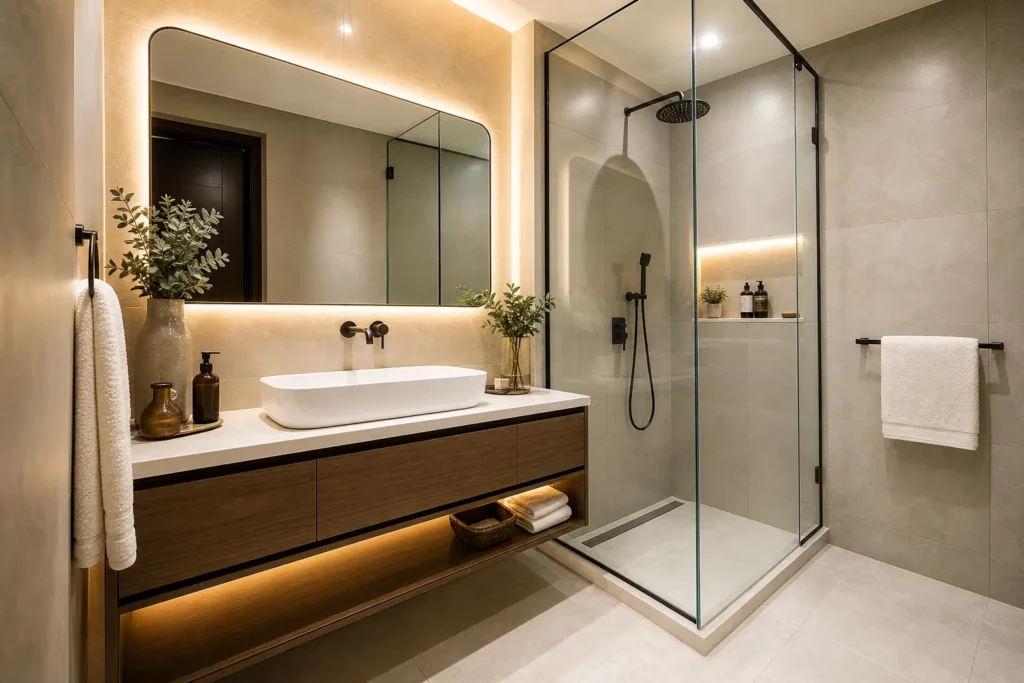
A bathroom is one of the most frequently used spaces in any home, so its design, comfort, and functionality can have a major impact on everyday living. If your bathroom looks outdated, lacks storage, has damaged fixtures, or simply no longer meets your needs, a bathroom renovation can transform the space into a practical and attractive part of your home.
Whether you are planning a complete renovation or making a few strategic upgrades, understanding the renovation process can help you make better decisions about your design, materials, budget, and timeline. From choosing the right layout to selecting modern fixtures and finishes, every detail contributes to the final result.
What Is Bathroom Renovation?
Bathroom renovation involves improving, updating, or completely remodeling an existing bathroom. The project may include relatively simple changes, such as replacing faucets, mirrors, lighting, and accessories, or more extensive work involving flooring, plumbing, electrical systems, walls, showers, bathtubs, toilets, and cabinetry.
The scope of a renovation depends on the condition of the existing bathroom and your personal goals. Some homeowners want a modern appearance, while others prioritize better storage, improved accessibility, water efficiency, or increased property value.
A well-planned renovation should balance aesthetics with functionality. A beautiful bathroom is useful only when the layout, storage, ventilation, lighting, and fixtures work effectively for everyday use.
Why Consider a Bathroom Renovation?
There are several reasons homeowners decide to renovate their bathrooms.
Improve Functionality
An outdated bathroom may have an inefficient layout, insufficient storage, poor lighting, or fixtures that are uncomfortable to use. Renovation provides an opportunity to redesign the space around your lifestyle.
For example, you could replace a bulky bathtub with a walk-in shower, install a larger vanity, or add built-in storage to make better use of available space.
Update an Outdated Design
Bathroom styles change over time. Old tiles, worn countertops, dated cabinets, and traditional fixtures can make a bathroom look tired. New materials, contemporary fixtures, and modern lighting can give the room a completely different appearance.
Address Repairs and Maintenance
Renovation can also solve problems such as leaking pipes, damaged tiles, poor waterproofing, mold, deteriorating grout, and outdated electrical components. Addressing these issues early can help prevent more expensive problems later.
Increase Home Value
A modern and well-maintained bathroom can be an attractive feature for potential buyers. While a renovation should primarily meet your needs, choosing durable and timeless materials can also make your property more appealing if you decide to sell in the future.
Planning Your Bathroom Renovation
Good planning is one of the most important parts of a successful bathroom renovation. Before removing anything, establish what you want to achieve.
Start by evaluating the existing bathroom. Consider what works, what does not, and what you would like to change. Think about the number of people using the bathroom, available space, storage requirements, and your preferred style.
Creating a renovation budget is equally important. Your budget should account for materials, labor, fixtures, plumbing, electrical work, demolition, waste removal, and unexpected expenses. Setting aside a contingency amount can help cover unforeseen issues that may appear once walls or flooring are opened.
It is also useful to create a list of essential upgrades and optional improvements. If the budget changes during the project, you will know which features should take priority.
Choosing the Right Bathroom Layout
The layout has a major influence on how comfortable and functional your bathroom will be. Common bathroom layouts include a toilet and vanity positioned opposite a shower or bathtub, while larger bathrooms may accommodate separate shower and bathtub areas.
For smaller bathrooms, space-saving solutions can make a significant difference. Wall-mounted vanities, corner showers, sliding shower doors, recessed shelves, and compact toilets can help create a more open feeling.
Avoid changing the location of plumbing fixtures unless necessary. Moving toilets, showers, and sinks can increase renovation costs because plumbing systems may need to be altered. However, if the existing layout is highly inefficient, restructuring the space may be worth the additional investment.
Selecting Bathroom Fixtures
Fixtures are both functional and visual elements of a bathroom. Common fixtures include toilets, sinks, faucets, showers, bathtubs, and bidets.
When choosing fixtures, consider quality, water efficiency, ease of cleaning, durability, and appearance. Modern water-efficient toilets and faucets can reduce water consumption without sacrificing performance.
For showers, you can choose from rainfall showerheads, handheld systems, body sprays, or combinations of these features. A walk-in shower with frameless glass can create a clean, contemporary appearance while making the bathroom feel larger.
The vanity is another important element. Select a size that provides adequate counter space and storage without making the room feel crowded.
Choosing Tiles and Flooring
Tiles are among the most important materials in a bathroom because they must withstand moisture and regular use.
Ceramic and porcelain tiles are popular choices because they are durable and available in a wide range of colors, patterns, sizes, and textures. Natural stone can create a luxurious appearance but may require additional maintenance and sealing.
For flooring, prioritize slip resistance and water resistance. Large-format tiles can create a clean, spacious appearance because they have fewer grout lines. Smaller tiles can provide additional texture and may work particularly well in shower floors where more grout lines can improve underfoot traction.
Tile selection should complement the overall design. Neutral colors such as white, beige, gray, and natural stone tones can create a timeless look, while decorative tiles can be used to introduce personality.
Bathroom Lighting and Ventilation
Lighting is often overlooked during renovation, but it can dramatically affect the appearance and usability of a bathroom.
A good lighting plan usually combines general, task, and accent lighting. Ceiling fixtures provide overall illumination, while wall lights or mirror lighting can improve visibility around the vanity.
LED lighting is a popular choice because it can provide bright, efficient illumination and is available in different color temperatures.
Ventilation is equally important. Bathrooms produce significant amounts of moisture, which can contribute to condensation, mold, mildew, and material deterioration. A properly sized exhaust fan can help remove humid air and protect the room over time.
Storage Solutions for Modern Bathrooms
Insufficient storage is a common bathroom problem. Towels, toiletries, cleaning supplies, cosmetics, and personal-care products can quickly create clutter.
During a renovation, consider incorporating storage into the design rather than relying entirely on freestanding furniture. Vanity cabinets, mirrored medicine cabinets, recessed shower niches, tall cabinets, and wall-mounted shelves can provide useful storage while maintaining a clean appearance.
For small bathrooms, vertical storage is particularly valuable. Using wall space can increase storage capacity without reducing valuable floor area.
Popular Bathroom Renovation Trends
Modern bathroom designs increasingly focus on simplicity, comfort, and functionality. Walk-in showers, floating vanities, frameless glass, large-format tiles, integrated storage, and minimalist fixtures are popular choices.
Natural-looking materials are also widely used. Wood-inspired finishes, stone textures, neutral colors, and greenery can create a relaxing atmosphere.
Technology is another consideration. Depending on your preferences and budget, you can incorporate features such as smart mirrors, heated flooring, digital shower controls, automatic lighting, and modern ventilation systems.
However, trends should not completely determine your design. A timeless bathroom with high-quality materials can remain attractive and functional for many years.
The Bathroom Renovation Process
Although every project is different, a typical renovation follows several stages.
First, the design and planning phase establishes the layout, materials, fixtures, budget, and schedule. Next, the existing bathroom is carefully demolished and removed.
Plumbing and electrical work are then completed as required. Walls and floors may need preparation before waterproofing and tiling begin. Once the major surfaces are finished, cabinets, vanities, showers, toilets, lighting, mirrors, and accessories can be installed.
Finally, the renovation team completes finishing details and inspects the bathroom for issues such as leaks, poor drainage, loose fixtures, or incomplete finishes.
Working with experienced professionals can help ensure that plumbing, electrical, waterproofing, and structural requirements are handled correctly.
How to Keep Your Renovation on Budget
Bathroom renovations can become expensive when changes are made throughout the project. One of the best ways to control costs is to finalize your design and material choices before work begins.
Keep the existing layout when possible, invest in durable materials, and prioritize upgrades that provide the greatest practical benefit.
Instead of selecting the most expensive option for every feature, combine high-quality essential components with affordable decorative elements. For example, you may invest more in waterproofing, plumbing fixtures, and flooring while choosing budget-friendly accessories.
Always request a detailed quotation that clearly explains labor, materials, demolition, installation, and additional charges.
Final Thoughts
A successful bathroom renovation can improve your home’s comfort, functionality, appearance, and long-term value. From redesigning the layout and upgrading fixtures to selecting durable tiles and improving lighting, every decision should support both your practical needs and personal style.
The key is to plan carefully, establish a realistic budget, choose appropriate materials, and work with qualified professionals for technical aspects of the project. Whether you are updating a compact guest bathroom or completely transforming a large master bathroom, thoughtful planning can turn an outdated space into a comfortable and stylish retreat.
With the right approach, your renovated bathroom can provide a modern appearance and reliable functionality for years to come.