Moving a vehicle across the USA can be easier when you choose a transportation method that matches your car, budget, and delivery expectations. Whether you’re relocating to another state, purchasing a vehicle online, or sending a car to a family member, understanding available shipping options can help you make practical arrangements.
Many auto transport companies offer different carrier types and delivery services. Open transport, enclosed shipping, door-to-door delivery, and expedited transportation each serve different needs. This guide explains how these options work and what to consider before booking with Rapid Auto Shipping.
Your Vehicle Deserves the Right Shipping Method
Every vehicle shipment has its own requirements. A standard sedan may be suitable for an open carrier, while a classic automobile or luxury vehicle owner may prefer additional protection through enclosed transport.
Before selecting a service, think about:
- Vehicle value and condition
- Total shipping distance
- Desired delivery timeline
- Available budget
- Pickup and destination access
- Protection preferences
The most suitable option depends on the vehicle and circumstances rather than simply choosing the most expensive service.
Open Transport: A Common Choice for Everyday Cars
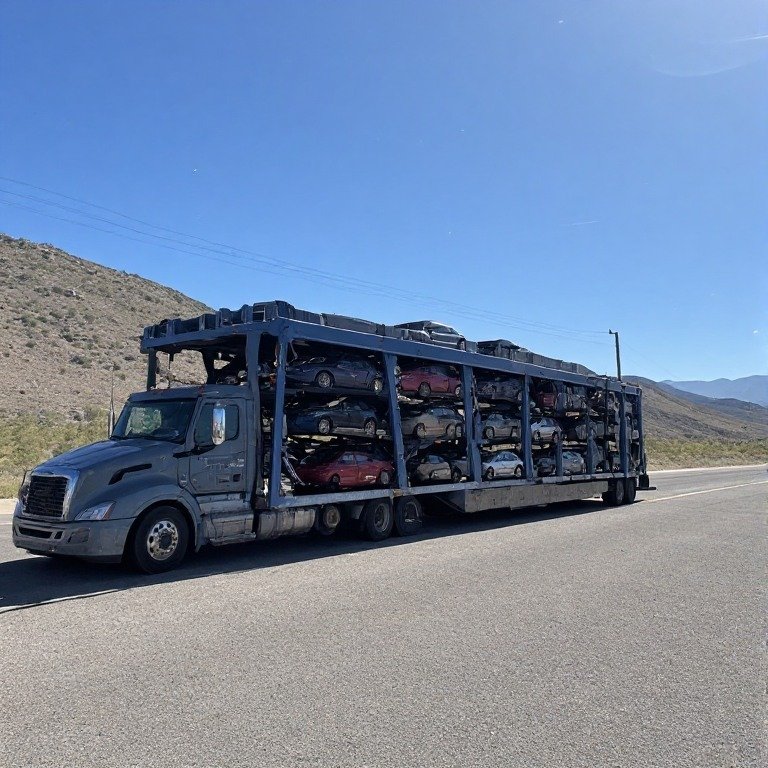
Open auto transport uses trailers that carry multiple vehicles on an exposed upper or lower deck. This is a widely used method for shipping everyday cars, SUVs, pickup trucks, and other standard vehicles.
One of its main advantages is availability. Since open carriers can transport several vehicles during one trip, they may offer practical pricing for customers shipping ordinary vehicles over long distances.
Open transport can be suitable for:
- Family cars
- Daily-use vehicles
- Dealer inventory
- Used vehicle purchases
- Standard SUVs and trucks
Because the vehicles are exposed to normal outdoor conditions during transit, customers should understand that open shipping does not provide the same enclosed environment as a covered trailer.
Enclosed Transport: Additional Coverage for Special Vehicles
Enclosed transport places vehicles inside a covered trailer. This can provide protection from direct exposure to road debris and weather conditions during transportation.
It is often considered for classic cars, collector vehicles, luxury automobiles, exotic cars, and vehicles with special finishes. Enclosed carriers may also offer specialized loading and securing arrangements, depending on the provider and equipment.
However, enclosed shipping generally has more limited capacity than open transport and may cost more. The decision should reflect the vehicle’s value, condition, and protection requirements.
Rapid Auto Shipping can help customers evaluate transportation arrangements based on their vehicle type and shipping preferences.
Door-to-Door Shipping Versus Terminal Delivery
Carrier type is only one part of the shipping decision. You should also consider how the vehicle will be collected and delivered.
Door-to-door transport involves arranging pickup and delivery as close as safely and legally possible to the requested addresses. Exact doorstep access depends on road width, local restrictions, traffic conditions, and carrier maneuverability.
Terminal-based transport uses designated storage or transfer locations where the vehicle is dropped off or collected. Availability and procedures vary between providers.
Door-to-door service may be convenient for residential moves, while terminal arrangements can be useful when direct access is limited. Confirm the exact pickup and delivery locations before booking.
When Expedited Auto Shipping Makes Sense
Sometimes a vehicle needs to arrive within a shorter timeframe. Expedited auto transport is intended for customers who need transportation arranged with greater scheduling priority.
This option may be relevant when:
- A relocation has a fixed deadline
- A dealership needs timely inventory delivery
- A vehicle purchase requires faster collection
- A family member needs a car by a specific date
- A seasonal move has limited flexibility
Expedited service does not guarantee that every requested delivery date will be possible. Carrier availability, distance, weather, route conditions, and pickup timing can influence the schedule.
Discuss your preferred dates early so the transportation provider can explain realistic options.
How Vehicle Type Affects Carrier Selection
Not every car can be handled identically. Vehicle dimensions, ground clearance, weight, and operating condition may affect the loading process.
Low-clearance vehicles might require special loading considerations. Oversized SUVs and trucks may need additional space. Non-running vehicles may require a winch, forklift, or other loading assistance.
Before requesting a quote, identify whether your vehicle starts, rolls, brakes, and steers. Also disclose modifications such as lowered suspension, oversized tires, roof equipment, or other changes that could affect transport.
Providing complete information helps reduce potential problems during pickup.
Reading a Shipping Quote Properly
Comparing auto transport companies requires more than selecting the lowest advertised price. A quote should be reviewed in relation to the services and conditions it covers.
Factors that may influence the price include:
- Vehicle size and weight
- Pickup and delivery distance
- Open or enclosed carrier selection
- Seasonal demand
- Vehicle operating condition
- Pickup accessibility
- Delivery urgency
- Fuel and route-related expenses
Ask whether the quote includes the agreed transportation service, and request clarification about any additional fees or changes that could apply.
A clear conversation before booking can help establish expectations for the shipment.
Prepare Your Car Before the Carrier Arrives
Vehicle preparation can reduce delays and make the inspection process easier. Remove personal belongings and loose accessories from inside the car. Keep the fuel level low according to the carrier’s instructions, and check for fluid leaks or mechanical concerns.
Disable alarms if necessary and ensure the vehicle is accessible for inspection. Take photographs of the exterior, including existing scratches, dents, and other visible marks.
If the car is inoperable, inform the provider in advance. The carrier may need additional equipment to load and unload it safely.
What Should You Ask Before Booking?
A few practical questions can help you understand the service:
- Which carrier type is recommended for my vehicle?
- Are pickup and delivery locations accessible to the truck?
- What is the estimated transportation timeline?
- Is my vehicle required to be operational?
- What preparation steps should I complete?
- How will existing vehicle damage be documented?
- What insurance information is available?
- How will schedule changes be communicated?
The answers can help you compare providers using information that applies directly to your shipment.
Why Customers Consider Rapid Auto Shipping
Rapid Auto Shipping supports customers seeking vehicle transportation across the USA. Different shipments call for different approaches, whether the priority is affordability, added protection, scheduling flexibility, or convenient pickup and delivery.
By reviewing vehicle details, understanding available carrier options, and communicating expectations early, customers can create a shipping plan that suits their circumstances.
Final Thoughts
Selecting among auto transport companies becomes easier when you understand how open, enclosed, door-to-door, and expedited services differ. Your vehicle’s condition, protection needs, budget, and delivery schedule should guide the decision.
With proper preparation and clear communication, Rapid Auto Shipping can help coordinate a more organized vehicle shipping experience across the USA.
Frequently Asked Questions
- What are auto transport companies?
Auto transport companies arrange or provide vehicle shipping services between locations. Depending on the provider, options may include open transport, enclosed shipping, door-to-door delivery, and expedited transportation.
- Is open transport safe for regular vehicles?
Open transport is commonly used for standard cars, SUVs, and trucks. Vehicles are secured on the trailer, but they remain exposed to outdoor conditions during transit.
- When should I choose enclosed transport?
Enclosed transport may be suitable for classic, luxury, exotic, collector, or otherwise valuable vehicles when additional protection from outdoor exposure is preferred.
- How far in advance should I book?
Booking early can provide more time for scheduling and carrier coordination. The ideal timeframe depends on the route, season, vehicle type, and delivery requirements.
- Can auto transport companies ship non-running vehicles?
Many providers can arrange transportation for non-running vehicles, but special loading equipment may be required. Always disclose the vehicle’s condition before receiving a quote.