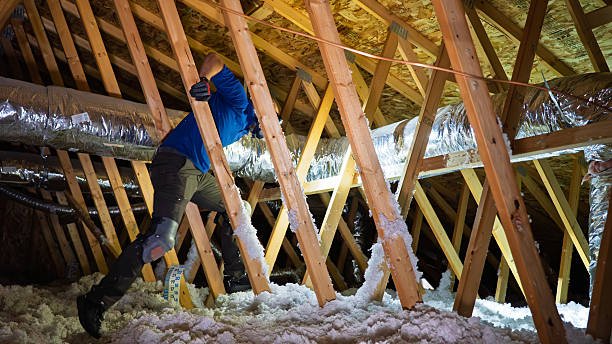
Most people don’t really think about their attic until there’s a problem. It’s just that space above the ceiling where old boxes, dust, and insulation sit for years. But that insulation isn’t meant to last forever. At some point, attic insulation removal may become necessary, especially when the material is damaged, outdated, or causing problems instead of helping.
A lot of homeowners assume insulation is something you install once and forget about. That’s not always true. Over time, insulation can settle, collect moisture, attract pests, or lose the ability to properly control the temperature inside the home. And honestly, some attics are hiding issues that have been there for years.
Knowing what signs to look for can help homeowners deal with the problem before it turns into a bigger, more expensive repair.
When Old Attic Insulation Needs to Go
There isn’t one exact timeline for replacing attic insulation. Some insulation lasts for many years, while other situations force removal much sooner. It depends on the condition of the material and what has happened in the attic over time.
One obvious sign is moisture damage. If there has been a roof leak or water problem, insulation can become wet and stay that way longer than many people realize. Wet insulation doesn’t work properly, and it can create the kind of environment where mold problems start.
Then there are pests. Rodents and other animals love quiet attic spaces. Once they get in, insulation can become dirty and contaminated. Nobody wants that material sitting right above their living area.
Another thing homeowners notice is comfort issues. Rooms may feel colder in the winter or hotter during summer months. The HVAC system may seem like it’s running constantly. Sometimes the problem isn’t the equipment. It’s what’s happening above the ceiling.
Problems Caused by Damaged or Old Insulation
Old insulation doesn’t always look terrible from the outside. That’s what makes it tricky. A quick look might not show what’s really going on underneath.
Insulation that has flattened over time loses some of its effectiveness. It can’t trap air the same way it did when it was first installed. This means the home may lose energy, and monthly bills can slowly creep higher.
Dust buildup is another concern. Older insulation materials can hold years of dirt, allergens, and debris. If there has been pest activity, the situation gets even worse.
Some homeowners try adding new insulation on top of the old stuff. Sometimes that works, but not when the existing insulation is damaged. Covering up a problem usually just delays it.
What Happens During Attic Insulation Removal
Many people picture insulation removal as a simple cleanup job. It’s usually more involved than that.
First, the attic needs to be inspected. Professionals look at the type of insulation, how much needs to be removed, and whether there are other issues like leaks or ventilation problems.
The actual removal process depends on the insulation type. Loose-fill insulation is often removed using a vacuum system that pulls the material out while controlling dust. Other materials may require different methods.
The work area should also be protected. A careful crew will cover access points and make sure insulation debris doesn’t end up all over the home. It sounds like a small detail, but it matters.
After the old insulation is removed, the attic should be checked again. This is the time to fix air leaks, clean up remaining debris, and handle any repairs before new insulation goes in.
Why Hiring an Experienced Insulation Professional Helps
Attic work isn’t always as simple as it looks. Tight spaces, poor airflow, and damaged materials can make the job frustrating for someone without the right equipment.
A reliable residential insulation company can handle the removal safely and help homeowners understand what comes next. They can spot issues that are easy to miss, like hidden moisture damage or areas where air is escaping.
The right company won’t just show up, remove insulation, and leave. They should explain the process, answer questions, and give a clear idea of what condition the attic is in afterward.
Homeowners should be cautious of anyone who immediately pushes a replacement without looking closely at the existing problems first. A good job starts with understanding what’s actually happening.
Getting the Attic Ready for New Insulation
Once the old material is removed, the attic has a clean starting point. This is when improvements can be made that weren’t possible before.
Sometimes that means sealing small gaps where air leaks through. Other times it means fixing moisture issues or improving ventilation. These steps help new insulation perform better.
The best insulation choice depends on the home. Climate, attic layout, budget, and energy goals all play a part. There isn’t one material that works perfectly for every house.
The important part is making sure the installation happens on a properly prepared surface. New insulation can only do so much if the problems underneath are ignored.
Conclusion
Attic insulation is easy to forget about because most homeowners never see it. But when it starts causing issues, the effects can show up throughout the entire house. Uneven temperatures, higher energy costs, moisture damage, and pest problems are all signs that something may need attention.
Attic insulation removal can help clear out damaged material and prepare the space for a better solution. Working with a dependable residential insulation company gives homeowners a better chance of getting the job done correctly instead of dealing with the same problem again later.
It’s not the most exciting home project, but taking care of the attic can make a noticeable difference in comfort and efficiency.