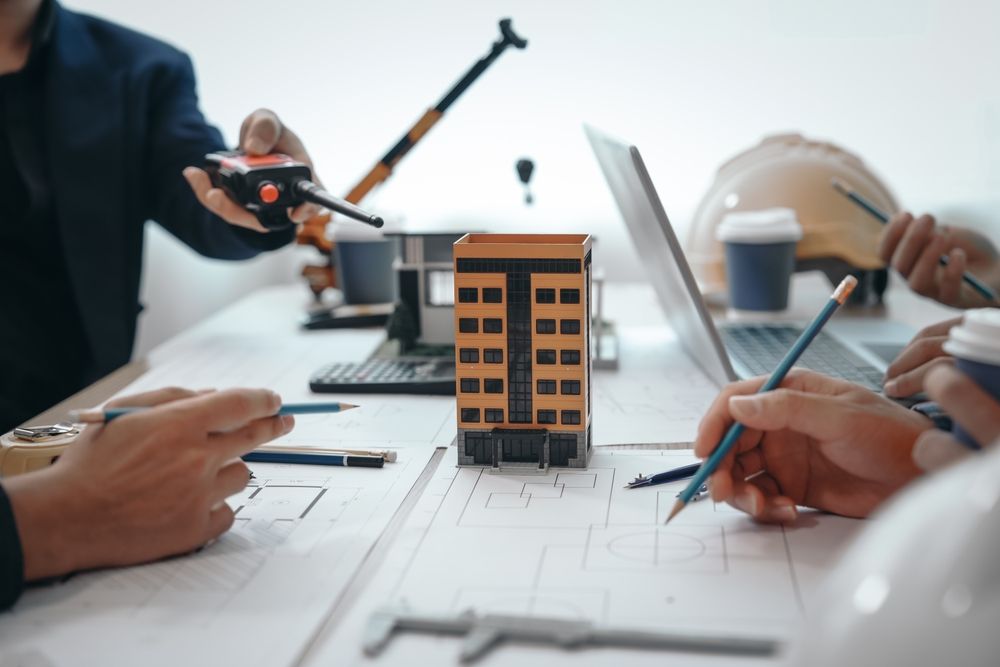
Architectural Design Services — experts refining concept plans and construction documents around a detailed building model to ensure design quality and structural coordination.
Architectural Design Services help turn a building idea into a clear, workable plan that balances function, safety, aesthetics, and cost. For projects that need structural coordination from the earliest stage, a useful reference is PS Engineering’s structural engineering services, which show how design support can align with engineering needs.
What Architectural Design Services Mean
Architectural design services refer to the professional planning and development of buildings and spaces before construction begins. These services typically include concept development, space planning, drawings, material selection, code coordination, and design documentation. The goal is to create a building that works well for the people using it while also meeting technical, legal, and budget requirements. In practice, architectural design is not just about appearance; it is about making sure the project is practical, safe, and buildable.
Why These Services Matter
Every successful project starts with a strong design foundation. Architectural design services reduce costly mistakes by helping owners define the project scope clearly before construction begins. They also improve communication between owners, engineers, contractors, and consultants, which is especially important when structural requirements must be integrated into the overall plan. Good design can save time, control expenses, and improve the long-term value of the property.
Comprehensive Architectural Design Services from Concept to Construction
Every successful building project follows a structured design process. From concept planning and space programming to design development, construction documentation, and permit support, professional architectural design services ensure functional, code-compliant, and efficient spaces that are carefully planned for successful project execution and long-term performance.
1. Concept Planning
Concept planning is the first stage of architectural design. During this phase, the architect studies the client’s goals, site conditions, budget, and functional needs. Early sketches, mood boards, and preliminary layouts help shape the direction of the project. This stage is where ideas are tested before they become formal drawings, making it one of the most valuable parts of the entire process.
2. Space Programming
Space programming defines how each part of a building will be used. It answers questions such as how many rooms are needed, how people will move through the space, and what adjacencies are important. A well-prepared program helps avoid inefficient layouts and supports better long-term use. For commercial and residential projects alike, this step ensures the design responds to real-world needs rather than assumptions.
3. Design Development
Design development turns early concepts into more detailed plans. At this stage, the architect refines floor plans, elevations, materials, lighting, and circulation. Structural, mechanical, and electrical systems are also coordinated more closely. This is often the point where collaboration with engineering professionals becomes critical, since design choices can affect load paths, framing, and construction methods.
4. Construction Documentation
Construction documentation includes the drawings and specifications used to build the project. These documents guide contractors, subcontractors, and inspectors during construction. Accurate documentation reduces ambiguity and helps prevent delays or disputes. It also creates a record of the design intent, which is important for approvals, bidding, and compliance.
5. Permit Support
Most building projects require permits from local authorities. Architectural design services often include preparing submittals and supporting the approval process. This can involve revisions, code review, and responses to comments from officials. Strong permit support helps move projects forward more efficiently and reduces the likelihood of costly redesigns later.
E-E-A-T in Practice
Google’s E-E-A-T standard emphasizes experience, expertise, authoritativeness, and trustworthiness. Architectural design services align well with this framework when the provider shows proven project experience, technical competence, and a transparent process. Clear communication, accurate documentation, and code-aware design all contribute to trust. Client testimonials, project examples, and interdisciplinary coordination also strengthen credibility.
Experience matters because every site and project type presents different constraints. Expertise is demonstrated through careful planning, code compliance, and technical understanding. Authoritativeness comes from a proven track record and professional reputation. Trustworthiness is built through honest timelines, realistic budgets, and dependable delivery.
How Design and Engineering Work Together
Architectural design does not operate in isolation. It works best when coordinated with structural engineering, mechanical systems, and site constraints from the beginning. This collaboration helps ensure that the visual concept can actually be built safely and efficiently. A page like PS Engineering’s structural design services is relevant here because it highlights the value of integrating engineering support into the design process.
When architects and engineers work together early, the project benefits from fewer revisions and stronger technical alignment. For example, a bold open-plan interior may require special structural solutions. Likewise, material choices may affect spans, loads, or fire performance. Early coordination keeps design ambitions realistic and constructible.
Benefits for Property Owners
Owners gain several practical advantages from professional architectural design services. First, they get a clearer understanding of what can be built within their budget and site conditions. Second, they reduce the risk of avoidable construction changes. Third, they gain a more cohesive final result that supports both function and aesthetics.
Architectural design also adds long-term value by improving usability and market appeal. In residential projects, this may mean better natural light, smarter layouts, and stronger curb appeal. In commercial projects, it may mean improved workflow, customer experience, and brand identity. In both cases, thoughtful design can influence how well a building performs over time.
Choosing the Right Service
When selecting architectural design services, it is important to review the provider’s portfolio, process, and communication style. Look for clear examples of similar projects, a transparent workflow, and evidence of coordination with consultants and engineers. You should also confirm that the team understands local codes, zoning rules, and permit expectations. The best provider is one that balances creativity with technical discipline.
A strong service partner will also explain project phases clearly. This includes what happens during planning, what deliverables are included, and how changes are handled. That kind of clarity reduces confusion and builds confidence. It also supports better decision-making throughout the life of the project.
Final Perspective
Architectural Design Services are essential for transforming an idea into a coordinated, buildable, and compliant project. They bring together planning, technical drawing, code awareness, and collaboration to support better construction outcomes. When combined with structural engineering expertise and a clear process, they create a stronger foundation for successful development.
For businesses and property owners, the value lies in clarity, efficiency, and reduced risk. A well-structured design process leads to better decisions, fewer errors, and a more successful finished building. That is why architectural design remains one of the most important investments in any construction project.
FAQs
1. What are Architectural Design Services?
Architectural Design Services are professional planning and design solutions that help turn a building idea into a workable project. They include concept planning, space planning, design development, construction documentation, and permit support.
2. Why are Architectural Design Services important?
They help ensure a project is functional, visually appealing, code-compliant, and buildable. They also reduce mistakes, improve coordination, and support better cost and time management.
3. What is included in the concept planning stage?
Concept planning usually includes client goal review, site analysis, early sketches, preliminary layouts, and basic design direction. This stage helps shape the project before detailed drawings begin.
4. How do architectural design and engineering work together?
Architectural design focuses on layout, appearance, and usability, while engineering ensures the structure and systems are safe and efficient. Both must work together to create a successful project.
5. Do Architectural Design Services help with permits?
Yes, many architectural design teams support the permit process by preparing drawings, handling revisions, and responding to review comments from local authorities.
6. Who needs Architectural Design Services?
Homeowners, developers, business owners, and contractors all benefit from these services. They are useful for new construction, renovations, expansions, and space redesign projects.