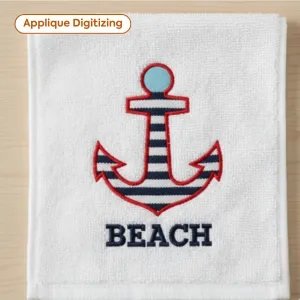
Applique embroidery is a popular technique for creating attractive designs by combining fabric pieces with decorative stitching. From custom apparel and sports uniforms to personalized gifts and promotional products, applique offers businesses an effective way to produce distinctive embroidered items.
However, achieving clean edges, accurate fabric placement, and consistent stitching requires professional digitizing. Premium applique digitizing services in USA help embroidery businesses, clothing manufacturers, and independent creators convert artwork into machine ready embroidery files.
With proper stitch planning and technical expertise, professional digitizing improves design accuracy, supports efficient production, and helps deliver high quality embroidery across different fabrics and applications.
What Is Applique Digitizing?
Applique digitizing is the process of converting artwork into a digital embroidery file that guides an embroidery machine through the steps required to attach fabric pieces to a base material. Instead of filling the entire design with thread, this technique uses selected fabrics to create shapes, lettering, patterns, and decorative elements.
A properly digitized applique design typically includes placement stitches, cutting guidelines, tack down stitches, and finishing borders. Each stage serves a specific purpose in keeping the fabric aligned and securing its edges.
Professional digitizers consider design dimensions, fabric characteristics, stitch density, and machine capabilities before preparing the final file. These details help reduce registration problems, uneven borders, and unnecessary thread buildup during production.
Essential Features of High Quality Applique Digitizing
Several technical elements determine the quality of an applique embroidery file.
Accurate Placement and Cutting Lines
Placement stitches identify where the applique fabric should be positioned. Cutting guidelines help establish the fabric shape, allowing the material to fit the design correctly. Accurate alignment is essential for preventing gaps and uneven edges.
Secure Tack Down Stitches
Tack down stitches hold the applique fabric in position before the final border is embroidered. Their placement and stitch settings should suit the material and design to help minimize movement during production.
Clean Satin Stitch Borders
Satin borders cover exposed fabric edges and provide a finished appearance. Their width, density, and direction must be appropriate for the design size and fabric type. Excessive density can create stiffness, while insufficient coverage may leave fabric edges visible.
Compatible Embroidery File Formats
Professional digitizing providers may supply files in formats such as DST, PES, EXP, JEF, and VP3. The appropriate format depends on the embroidery machine being used. Customers should confirm compatibility before production begins.
Applications of Applique Embroidery Across Industries
Applique digitizing supports a wide range of commercial and creative applications.
Custom clothing: Fashion businesses use applique designs on shirts, jackets, hoodies, denim, and other garments to create decorative lettering and fabric patterns.
Sports uniforms: Teams and uniform manufacturers use applique techniques for names, numbers, logos, and other decorative elements, depending on the garment design and production requirements.
Children’s apparel: Colorful shapes, animals, letters, and playful patterns are common applique applications for children’s clothing and accessories.
Promotional products: Businesses producing bags, caps, blankets, towels, and personalized gifts can use applique embroidery to create customized merchandise for events, organizations, and customers.
These applications make applique digitizing useful for both small embroidery shops and larger apparel production operations.
How to Choose Right Applique Digitizing Service
Selecting a reliable provider involves more than comparing prices. Businesses should evaluate technical expertise, communication, delivery timelines, and revision policies.
Start by reviewing sample work to assess border quality, stitch accuracy, and the provider’s experience with different applique styles. Ask whether the service can accommodate your required design dimensions, fabric type, machine format, and intended application.
It is also helpful to confirm turnaround times and the availability of revisions. For complex designs, request a sample stitch out before approving large production quantities. Testing the file on the actual material can reveal issues that may not be obvious on screen.
Finally, consider overall value. A low priced file may require additional corrections if it is poorly prepared. Professional digitizing can help reduce avoidable production problems, although successful results also depend on materials, machine settings, and operator skill.
Frequently Asked Questions
What is the difference between applique digitizing and regular embroidery digitizing?
Regular embroidery digitizing primarily converts artwork into stitch patterns, often using thread to fill design areas. Applique digitizing incorporates fabric pieces and requires additional planning for placement, cutting, tack down stitching, and edge finishing.
Which file format should I request for applique embroidery?
The correct format depends on your embroidery machine. DST, PES, EXP, JEF, and VP3 are common options. Confirm your machine’s supported format with your equipment manufacturer or digitizing provider.
How long does applique digitizing take?
Turnaround time depends on design complexity, required dimensions, artwork quality, and the provider’s workload. Simple designs may require less preparation than intricate artwork with multiple fabric sections. Confirm the estimated delivery time before placing an order.
Can applique digitizing be used for logos and custom apparel?
Yes. Applique digitizing is suitable for many logos, garments, uniforms, bags, and promotional products. The design should be evaluated for size, fabric compatibility, lettering clarity, and the capabilities of the embroidery machine.
Conclusion
Premium applique digitizing services in USA help businesses transform artwork into carefully planned embroidery files for apparel, uniforms, accessories, and promotional products. Accurate placement lines, secure tack down stitches, suitable borders, and compatible file formats all contribute to reliable production.
By choosing an experienced digitizing provider and testing designs on the intended material, embroidery businesses can improve consistency, reduce avoidable errors, and achieve professional finishing. Investing in quality applique digitizing supports better production workflows and helps businesses meet customer expectations in the competitive embroidery industry.