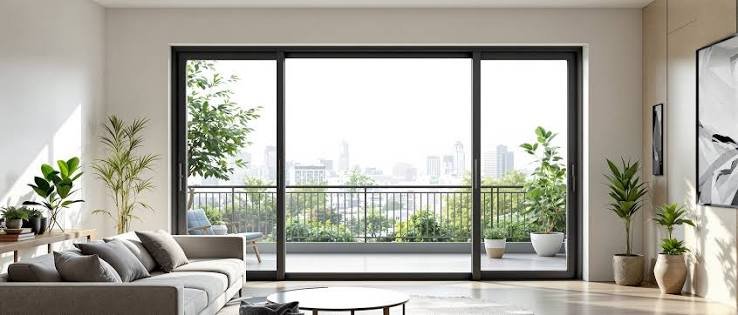
Choosing the right windows for a property in Dubai involves far more than selecting attractive frames. Extreme summer temperatures, dust, humidity, and the growing popularity of contemporary architecture make window performance a major consideration. Aluminium Windows have become a popular choice for villas, apartments, and commercial buildings because they combine structural strength, flexible designs, and relatively low maintenance.
However, not every aluminium window delivers the same performance. Frame construction, glazing, insulation, hardware, and installation quality all affect comfort and long-term value.
This guide explains the main window types, estimated costs, modern design options, and practical buying considerations for Dubai properties in 2026.
1. What Makes Aluminium Windows a Smart Choice?
Modern window systems use extruded aluminium profiles to create durable frames capable of supporting different glazing configurations.
Unlike traditional wooden frames, aluminium does not rot or require regular repainting. Quality powder-coated or anodized finishes can also withstand challenging environmental conditions when properly specified and maintained.
Understanding Modern Window Construction
A typical system includes:
- Aluminium profiles: Provide structural support and determine frame dimensions.
- Glass panels: Available in single, double-glazed, laminated, or solar-control configurations.
- Gaskets: Help prevent air, dust, and water infiltration.
- Hardware: Includes locks, handles, rollers, and hinges.
- Protective finishes: Improve appearance and resistance to environmental exposure.
For Dubai homeowners, Aluminium Windows with suitable thermal insulation and glazing are often preferable to basic, non-insulated frames in air-conditioned living spaces.
2. Seven Popular Window Types for Dubai Properties
Selecting Aluminium Windows requires understanding how each configuration works and where it performs best.
1. Sliding Window Systems
Sliding windows feature panels that move horizontally along tracks.
They are particularly useful in bedrooms, kitchens, and apartments where outward-opening panels would occupy valuable space.
Two-track and three-track designs provide different combinations of opening area and fixed glazing.
2. Casement Window Systems
Casement windows feature hinged panels that open inward or outward.
Their advantages include:
- Convenient ventilation
- Strong sealing potential
- Easy operation
- Compatibility with double glazing
They work well in bedrooms and living areas where effective ventilation is important.
3. Fixed Window Systems
Fixed windows do not open, making them suitable for panoramic views, staircases, and architectural feature walls.
With fewer moving components, properly installed fixed systems can provide excellent airtightness.
They are frequently combined with opening windows to maintain ventilation.
4. Slim-Frame Window Designs
Slim profiles create a minimalist appearance by reducing the visible frame area.
These designs suit contemporary luxury villas where natural light and uninterrupted views are priorities.
5. Thermal Break Window Systems
Thermally broken frames incorporate insulating barriers, commonly reinforced polyamide, between interior and exterior aluminium sections.
This construction reduces conductive heat transfer through the frame.
6. Double-Glazed Window Systems
Double glazing uses two glass panes separated by a sealed cavity.
When combined with suitable coatings and insulated frames, it can improve thermal comfort and contribute to acoustic performance.
7. Tilt-and-Turn Windows
Tilt-and-turn systems provide two opening positions: a restricted tilting position for ventilation and a wider inward-opening function.
They are practical for apartments, bedrooms, and properties requiring flexible ventilation and cleaning access.
3. Aluminium Windows Prices in Dubai 2026
Understanding Aluminium Windows pricing helps homeowners prepare realistic renovation and construction budgets.
The following figures represent indicative 2026 Dubai market estimates from a published supplier guide.
| Window Type | Estimated Price |
| Fixed windows | AED 450–700/m² |
| Sliding windows | AED 600–850/m² |
| Casement windows | AED 500–800/m² |
| Awning windows | AED 550–850/m² |
| Double-glazing upgrade | Additional AED 200–400/m² |
Source: Published 2026 Dubai supplier estimates. These are indicative market figures, not Royal Rose quotations. Actual prices depend on project requirements.
Pillarstone
What Affects the Final Cost?
Several factors influence the total price:
Window dimensions: Larger or unusually shaped openings may require additional structural support and specialized glazing.
Aluminium profile quality: Premium engineered systems can cost more than standard frame options.
Glass specifications: Low-E coatings, laminated glass, and double glazing affect pricing.
Opening mechanisms: Sliding rollers, multipoint locks, hinges, and tilt-and-turn hardware contribute to costs.
Finishing: Custom powder-coated colours, anodized surfaces, and decorative finishes may increase manufacturing expenses.
Installation complexity: High-rise access, structural modifications, removal of existing windows, and difficult site conditions affect labour costs.
How to Compare Quotations
A quotation should clearly identify the profile system, glazing configuration, hardware, finishing, installation scope, warranty, and exclusions.
Comparing identical specifications is more useful than comparing prices alone.
4. Nine Important Benefits for Modern Homes
Well-designed Aluminium Windows can offer several advantages in residential and commercial construction.
- Structural strength: Aluminium supports a wide range of window sizes and architectural configurations.
- Durability: Correctly finished frames resist corrosion and environmental wear.
- Modern appearance: Slim profiles complement contemporary architectural styles.
- Design flexibility: Multiple opening mechanisms suit different rooms.
- Low maintenance: Routine cleaning and hardware inspections are generally sufficient.
- Glazing compatibility: Frames can accommodate various insulated and safety-glass systems.
- Colour options: Powder coating allows extensive customization.
- Large glazing possibilities: Engineered systems can support expansive views.
- Recyclability: Aluminium can be recycled into new products.
For example, a Dubai villa may combine fixed panoramic glazing in its living room with casement units in bedrooms and sliding systems near garden-facing spaces.
The correct combination creates a balance between appearance, ventilation, and functionality.
5. Aluminium vs uPVC Windows: Which Is Better?
Both materials have advantages, and the best choice depends on project requirements.
| Feature | Aluminium | uPVC |
| Structural strength | High | Depends on reinforcement |
| Slim-frame appearance | Excellent potential | Generally wider profiles |
| Thermal insulation | Strong with suitable thermal breaks | Naturally low-conductivity frame material |
| Maintenance | Relatively low | Relatively low |
| Colour customization | Extensive finishing options | Various colours and foils |
| Large glazing | Suitable engineered systems available | Depends on system limitations |
| Initial price | Varies widely | Varies widely |
Aluminium Windows are particularly attractive for projects prioritizing narrow sightlines, large glass openings, and contemporary architecture.
However, thermal efficiency should be assessed using whole-window performance data rather than frame material alone.
6. Are Aluminium Window Systems Energy Efficient?
Energy efficiency is particularly important in Dubai because cooling accounts for a significant part of building operation.
Properly specified Aluminium Windows can help reduce unwanted heat transfer when combined with suitable glazing, thermal barriers, and weather seals.
Thermal Break Technology
A thermal break interrupts heat conduction between external and internal aluminium sections.
This helps reduce heat transfer through the frame and can improve indoor comfort.
Double Glazing and Low-E Glass
Double-glazed units reduce heat transfer through the glass cavity, while appropriate Low-E and solar-control coatings help manage unwanted solar energy.
Important Performance Measurements
Two measurements deserve particular attention:
- U-value: Indicates heat transfer through an assembly. Lower values mean better insulation.
- Solar Heat Gain Coefficient (SHGC): Indicates the proportion of solar heat passing through the glazing. Lower values generally help limit solar heat gain.
Dubai’s building regulations include glazing-performance requirements that vary with building classification and design. Project-specific compliance should be verified using the applicable Dubai Building Code provisions.
dm.gov.ae
Energy-efficient glazing may reduce cooling demand, but the actual savings depend on orientation, shading, building insulation, air-conditioning efficiency, and occupancy patterns.
7. Best Modern Window Designs for Dubai Villas
Design trends increasingly favour open interiors, natural daylight, and understated framing.
Modern Aluminium Windows can support these architectural preferences without compromising essential functional requirements.
Floor-to-Ceiling Windows
Large glazed openings create bright interiors and visual connections with gardens or terraces.
They require appropriate safety glazing, structural calculations, and solar-control specifications.
Slim Black Window Frames
Matte black or dark-grey finishes create contrast against neutral walls, natural stone, and modern interior materials.
Panoramic Fixed Windows
Large fixed glass panels suit double-height living rooms, staircases, and feature walls.
Corner Window Designs
Glazed corners can provide broader views and an open architectural appearance, subject to appropriate structural design.
Privacy Glass Options
Frosted, textured, or suitable laminated glazing provides privacy in bathrooms and bedrooms.
Practical design tip: West-facing rooms often benefit from careful solar-control glazing selection and external shading.
8. How to Choose the Best Aluminium Windows
Choosing Aluminium Windows involves balancing appearance, technical performance, budget, and maintenance requirements.
Before placing an order, homeowners should review the following checklist.
Window Selection Checklist
Confirm exact measurements and opening directions
Select suitable aluminium profiles and finishes
Compare single, double, and solar-control glazing
Request U-value and solar-performance specifications
Check weather sealing and drainage
Review wind-load and safety requirements
Compare hardware brands and warranties
Request an itemized supply-and-install quotation
0 of 8 checked Copy checklist
For homeowners seeking additional product details, the Aluminium Windows information available from Royal Rose Glass & Aluminium can serve as a reference when exploring window designs and discussing project requirements.
9. Window Installation Process in Dubai
Professional installation is essential for the performance and service life of Aluminium Windows.
A typical project follows these stages:
- Site survey: Inspect the openings and identify structural or accessibility concerns.
- Measurements: Record accurate dimensions and installation tolerances.
- System selection: Finalize profiles, glass, hardware, and finishes.
- Technical drawings: Prepare shop drawings and obtain required approvals.
- Fabrication: Manufacture and assemble the frames.
- Glazing: Install glass units using the specified supports and seals.
- On-site fitting: Secure, align, and weather-seal the frames.
- Inspection: Check drainage, locks, operation, finishing, and applicable performance requirements.
Incorrect installation can lead to air leakage, water infiltration, misaligned panels, and premature hardware wear.
10. Common Buying Mistakes to Avoid
When purchasing Aluminium Windows, homeowners should avoid decisions based entirely on appearance or advertised prices.
Common mistakes include:
- Choosing inexpensive profiles without checking technical specifications
- Ignoring thermal insulation requirements
- Selecting unsuitable glass for sun-exposed rooms
- Overlooking wind-load calculations
- Assuming double glazing automatically provides soundproofing
- Selecting low-quality rollers, locks, or hinges
- Failing to confirm installation warranty coverage
A detailed technical comparison can prevent expensive replacements and maintenance problems later.
11. Maintenance Tips for Long-Term Performance
Maintaining Aluminium Windows is relatively straightforward, but regular inspections remain important.
Homeowners should:
- Clean aluminium frames using mild, non-abrasive cleaning products.
- Remove accumulated dirt from sliding tracks.
- Inspect rubber gaskets for damage.
- Check locks and hinges for smooth operation.
- Keep drainage openings clear.
- Arrange professional repairs for damaged hardware or failed glazing seals.
Coastal properties may require more frequent cleaning because of salt deposits and airborne contaminants.
Frequently Asked Questions
1. What are the main advantages of aluminium window systems?
Their principal advantages include structural strength, durable finishes, flexible configurations, modern aesthetics, and relatively simple maintenance.
2. How much do aluminium windows cost in Dubai?
Indicative published prices vary by system. Standard fixed, sliding, and casement configurations may cost several hundred dirhams per square metre, while premium insulated systems can cost substantially more.
3. Are aluminium frames suitable for Dubai’s hot climate?
Yes, provided the complete window system uses appropriate glazing, thermal insulation, weather seals, and finishes.
4. Are aluminium frames better than uPVC?
Neither material is universally better. Aluminium is attractive for slim profiles and larger engineered openings, while uPVC offers inherently low frame conductivity. Product specifications determine performance.
5. Which window design works best for modern Dubai villas?
Sliding, casement, fixed, and slim-frame systems are all popular choices. The most suitable option depends on room function, ventilation, architectural design, and glazing requirements.
Conclusion
Selecting Aluminium Windows for a Dubai property requires more consideration than choosing a fashionable colour or frame design.
The best results come from combining suitable opening systems, durable profiles, efficient glazing, quality hardware, and professional installation.
Homeowners should compare complete specifications, request clear quotations, and consider long-term comfort alongside upfront costs.
Ultimately, a successful window investment should improve how a property looks, feels, and functions for years to come.