
Cataract surgery has evolved significantly, giving patients more choices than simply replacing a cloudy natural lens with a standard intraocular lens (IOL). Today, advanced cataract lens options can be considered based on a person’s vision needs, lifestyle, eye health, and expectations after surgery.
The goal of cataract surgery is to remove the cloudy natural lens and replace it with an artificial lens designed to restore clear vision. While a traditional monofocal IOL can provide excellent vision at a selected distance, advanced IOL technologies may offer additional focusing capabilities for some patients.
Understanding these options can make conversations with an eye care professional more productive and help patients make an informed decision.
What Are Advanced Cataract Lens Options?
Advanced cataract lenses are specialized intraocular lenses designed to provide vision correction beyond what is typically offered by a standard monofocal lens. Depending on the technology, these lenses may help improve vision at multiple distances or address certain pre-existing focusing needs.
Some advanced IOL categories include multifocal, trifocal, extended-depth-of-focus (EDOF), and astigmatism-correcting lenses. Each has a different optical design and potential benefits.
However, there is no single lens that is ideal for everyone. The right choice depends on factors such as the condition of the eye, corneal health, lifestyle, prescription, and the patient’s visual priorities.
Understanding the Main Types of Advanced IOLs
Multifocal and Trifocal Lenses
Multifocal and trifocal IOLs are designed to provide vision at more than one distance. This can be particularly relevant for people who want greater independence from glasses for activities such as reading, computer use, and seeing objects farther away.
Trifocal lenses use an optical design intended to provide distance, intermediate, and near focusing capabilities. However, some patients may notice visual effects such as glare or halos, particularly under certain lighting conditions.
Extended-Depth-of-Focus Lenses
Extended-depth-of-focus lenses, often called EDOF lenses, are designed to extend the range of functional vision rather than creating several distinct focal points.
They may provide a useful balance between distance and intermediate vision, making them worth discussing for patients who spend considerable time using computers, tablets, or other digital devices.
Toric IOLs
Astigmatism can affect the sharpness of vision even after cataract surgery. Toric lenses are specifically designed to address corneal astigmatism.
For eligible patients, an astigmatism-correcting IOL may help improve the quality of distance vision after cataract removal. Precise measurements before surgery are important when determining whether a toric lens is appropriate.
How Do You Choose the Right Cataract Lens?
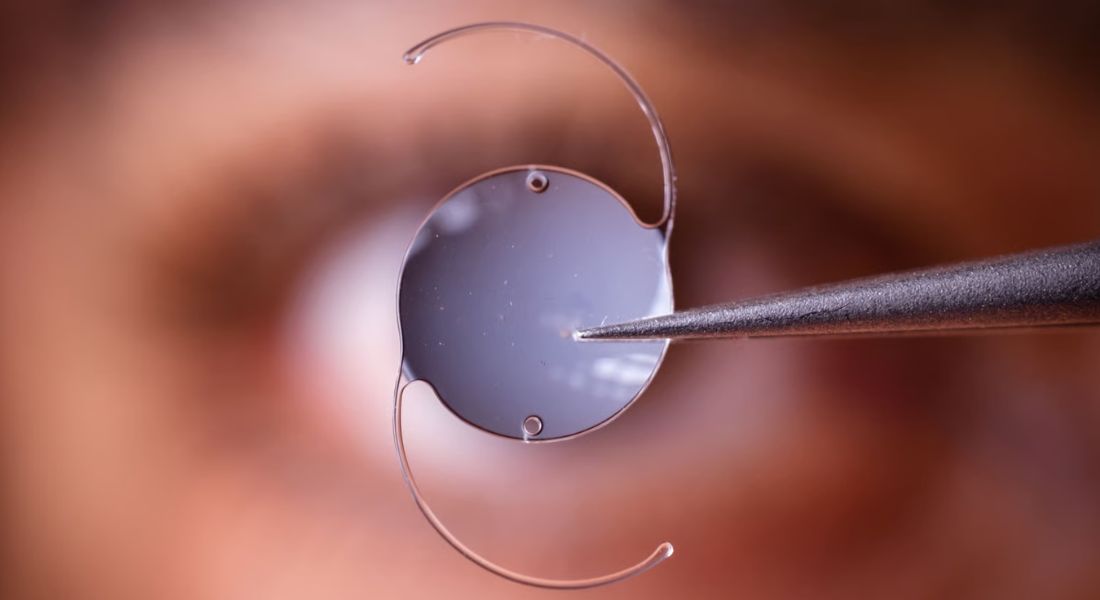
Choosing among advanced cataract lens options involves more than comparing lens features. An eye examination helps determine whether the eyes are suitable for a particular IOL and what type of visual correction may be realistic.
Your daily activities should also be part of the conversation. Someone who frequently reads may place greater importance on near vision, while another person may prioritize driving and distance vision. Computer use, hobbies, work requirements, and willingness to wear glasses can all influence the decision.
Existing eye conditions are another important consideration. Conditions affecting the retina, cornea, optic nerve, or other parts of the eye may influence which lens technologies are appropriate.
Patients considering advanced IOL technology can review the available options and surgical considerations through this overview of advanced technology cataract IOLs from Desert Vision Center.
What Should Patients Expect After Surgery?
Cataract surgery is generally performed by removing the cloudy lens and replacing it with the selected IOL. Vision may continue to change as the eye heals, so the immediate postoperative period does not necessarily represent the final visual result.
Advanced lenses can reduce dependence on glasses for some patients, but they do not guarantee complete freedom from corrective eyewear. Results can vary based on individual eye characteristics, healing, pre-existing conditions, and the type of lens selected.
It is also important to discuss possible visual side effects before surgery. Understanding both the potential benefits and limitations of an IOL can help prevent unrealistic expectations.
Why Personalized Evaluation Matters
The increasing number of lens technologies gives cataract patients more possibilities, but it also makes professional evaluation especially important. Two people with similar cataracts may have very different visual needs and may not be equally suited to the same IOL.
A comprehensive eye evaluation can assess factors such as corneal measurements, eye health, astigmatism, and visual goals. These findings help an ophthalmologist determine which options are worth considering.
Rather than choosing a lens based solely on its technology, patients should consider how the lens fits their eyes and everyday vision requirements.
Conclusion
Advanced cataract lens options have expanded the possibilities for vision correction during cataract surgery. Multifocal, trifocal, EDOF, and toric IOLs each serve different purposes and may be appropriate for different patients.
The most useful starting point is a detailed discussion with a qualified eye care professional. By considering eye health, lifestyle, visual priorities, and the advantages and limitations of each lens, patients can approach cataract surgery with clearer expectations and a better understanding of their available choices.