A thoughtfully planned outdoor space can make a home more enjoyable every day. A well designed yard can provide room for outdoor meals, family gatherings, gardening, relaxing, or simply enjoying time outside. However, creating an attractive landscape involves more than choosing a few plants and laying down a patio.
The layout of the property, weather conditions, drainage, sunlight, materials, and maintenance requirements all deserve attention. When these details are considered together, the result can be an outdoor area that looks inviting and works well for everyday life.
For Dallas homeowners, planning is especially important because outdoor spaces need to handle hot weather, periods of rain, and changing seasonal conditions. Choosing suitable materials and plants can help create a landscape that remains useful and attractive over time.
Begin With the Purpose of Your Outdoor Space
Before choosing materials, decide what you want the yard to accomplish. A landscape designed for entertaining will have different needs from one focused on gardening or quiet relaxation.
Think about the activities that are most important to you. You may want a dining area, a comfortable seating space, an open lawn, garden beds, or pathways connecting different parts of the property.
Consider the Size and Shape of the Yard
The available space should guide the design rather than forcing too many features into one area. A small yard may benefit from a simple layout with a compact patio and carefully selected planting areas.
A larger property can provide room for several outdoor zones. These may include a dining space, garden, lawn, walkway, and separate seating area. Each zone should have enough room to function comfortably without making the landscape feel disconnected.
Observe Sunlight and Water
Spend time observing how sunlight moves across the property. Some areas may receive strong afternoon sun, while others remain shaded for much of the day.
Water movement is equally important. Look for places where rainwater collects and consider how water moves away from the home. These observations can influence the placement of patios, plants, pathways, and drainage solutions.
Understanding Landscape Design and Build in Dallas
Landscape design and build in Dallas involves planning and constructing outdoor improvements as part of one overall project. This can be useful when several features need to work together.
Instead of adding a patio, walkway, planting bed, and seating area separately, a complete plan considers how each feature relates to the others. This can create a more organized appearance and help avoid conflicts between different parts of the landscape.
Create a Comfortable Flow
People should be able to move naturally between the home and outdoor areas. A pathway can connect a back door with a patio, garden, driveway, or other destination.
The shape of the pathway should suit the property. Straight lines may create a clean appearance, while gentle curves can work well in gardens and larger landscapes.
Coordinate Different Materials
Outdoor materials should complement one another. Pavers, retaining materials, plants, edging, and other features do not necessarily need to match exactly, but they should create a balanced appearance.
Using too many unrelated colors and textures can make a yard feel visually busy. A smaller selection of complementary materials often creates a more cohesive result.
Designing a Patio for Everyday Use
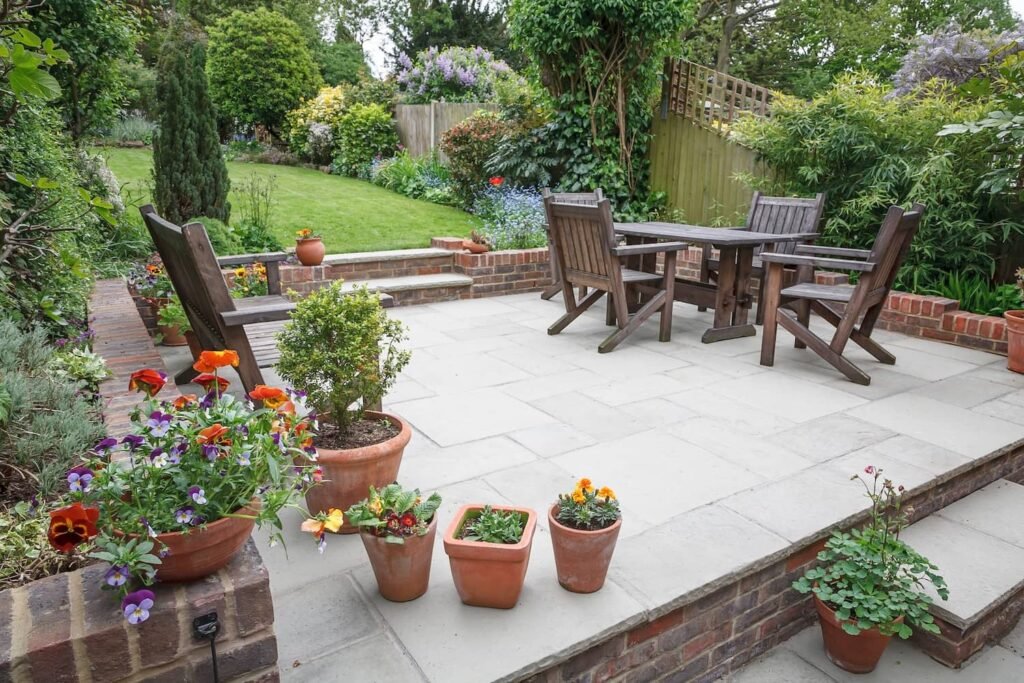
A patio can become an important extension of the home. It can provide space for dining, relaxing, entertaining, or spending time with family.
The location of the patio matters. A space close to the kitchen or main living area may be convenient for outdoor meals, while a patio farther into the yard may create a more private setting.
Plan Around Furniture
Furniture should be considered before the patio size is finalized. Measure tables, chairs, grills, and other items you expect to use.
Leave enough open space for people to walk comfortably. A patio that only fits the furniture without providing room for movement may feel crowded.
Think About Comfort
Dallas summers can make outdoor areas uncomfortable without suitable shade. Depending on the property, homeowners may consider trees, shade structures, umbrellas, or other options.
Comfort can also be improved through landscaping. Plants can help soften the space and create a more natural atmosphere around seating areas.
Choosing Pavers for Patios and Walkways
Pavers can provide both function and visual appeal. They are available in different shapes, sizes, colors, and textures, giving homeowners plenty of options for patios and walkways.
When choosing pavers, consider the architecture of the home and the existing landscape. A material that complements both can help the entire outdoor area feel connected.
Consider the Pattern
The installation pattern can influence the character of a patio. A simple pattern can create a clean appearance, while a more detailed arrangement can add visual interest.
The size of the paved area should also be considered. A pattern that looks attractive in a large patio may feel too complicated in a small space.
Think About Long Term Use
Paved areas should be selected with everyday use in mind. Consider how much foot traffic the surface will receive and whether furniture or other outdoor items will regularly be placed on it.
Maintenance requirements should also be considered before making a final decision.
Patio Paver Installation in Dallas
Patio paver installation in Dallas requires proper preparation before the pavers are placed. A stable foundation is important because the surface needs to support regular foot traffic, furniture, and outdoor activities.
Preparation can involve measuring and marking the area, removing unsuitable material, preparing a base, compacting it, and establishing the correct surface level. The specific process depends on site conditions and the type of project.
Why the Base Matters
Pavers installed over an unstable foundation may shift or become uneven. A properly prepared base helps provide support and creates a more consistent surface.
The condition of the soil and the expected use of the patio should be considered when determining how the site should be prepared.
Address Drainage Before Installation
Water should not be allowed to collect against the home or remain on the patio. Drainage planning should therefore be part of the project from the beginning.
The appropriate drainage approach depends on the slope of the yard, soil conditions, existing drainage, and location of nearby structures. Addressing these factors before installation can help reduce future problems.
Combining Pavers With Landscape Features
A patio does not have to stand alone. Pavers can be connected to planting beds, lawns, garden areas, and walkways to create a more complete outdoor environment.
Plants placed along the edge of a paved surface can soften hard lines. Trees and shrubs can add structure, while smaller plants can provide color and seasonal interest.
Leave Enough Room for Plants
Plants grow over time, so planting areas should be planned with mature size in mind. A shrub that looks small when installed may eventually spread into a pathway or patio.
Consider the plant’s expected size, sunlight requirements, watering needs, and relationship to nearby structures before planting.
Designing for Easier Maintenance
A landscape should match the amount of time you can realistically spend maintaining it. A complicated design may require more trimming, watering, cleaning, and seasonal care.
Grouping plants with similar requirements can make maintenance easier. Defined lawn areas and planting beds can also help simplify routine yard work.
Paved areas can provide another practical benefit by creating clear spaces for walking and outdoor furniture.
Mistakes Homeowners Should Avoid
Careful planning can prevent many common landscaping problems. The following issues are worth considering before work begins:
- Choosing plants without considering their mature size.
- Making a patio too small for furniture and normal movement.
- Ignoring drainage during the design process.
- Installing pavers without proper foundation preparation.
- Mixing too many unrelated colors, materials, or patterns.
Avoiding these mistakes can make the finished landscape easier to use and maintain.
Make the Landscape Fit Your Lifestyle
Your yard should support the way you actually live. If you frequently host family and friends, a spacious patio may be useful. If you prefer quiet outdoor time, a smaller seating area surrounded by greenery may be more suitable.
Think about the features you will use most often rather than simply copying a design from another property. The size of the yard, location of the home, available sunlight, and maintenance preferences should all influence the final plan.
A complete approach to landscape design and build in Dallas can help connect these different needs into one organized outdoor environment.
Conclusion
Creating a beautiful Dallas landscape requires thoughtful planning and attention to practical details. The right combination of plants, patios, pathways, and paving materials can make an outdoor area more comfortable and useful. Proper site preparation and drainage planning are especially important when adding paved surfaces.
For homeowners planning a complete outdoor improvement, Prestige Landscape can help bring design and installation needs together. With careful planning, suitable materials, and professional workmanship, a Dallas yard can become a welcoming outdoor space that supports everyday living.