A beautiful lawn can make any property feel more welcoming. Whether it is a residential backyard, a front entrance, or a commercial outdoor area, a clean green landscape adds to the overall appearance of the space. However, keeping natural grass healthy can require consistent effort. Regular mowing, watering, trimming, fertilizing, and repairing damaged areas can become time consuming.
Artificial grass offers another option for property owners who want a green outdoor surface without many of the routine tasks associated with living grass. Today’s synthetic turf can provide a realistic appearance and can be used in many different landscape designs.
For anyone considering artificial grass installation in Dallas TX, it is helpful to understand what goes into a successful project. The quality of the turf matters, but so do ground preparation, drainage, installation methods, and ongoing care.
Why Property Owners Choose Artificial Grass
Artificial grass can provide a consistent appearance without depending on the natural growth of grass. This can be useful for areas where maintaining a healthy natural lawn is difficult.
Natural grass can become thin or damaged because of heavy foot traffic, pets, weather conditions, or inconsistent watering. Artificial turf does not have the same growing requirements, which means it can maintain a green appearance without regular watering for growth.
Another benefit is reduced mowing. Since synthetic turf does not grow, property owners do not need to spend time cutting it to maintain a specific height.
However, artificial grass should not be considered completely maintenance free. Regular cleaning, debris removal, and occasional brushing can help keep the surface looking its best.
Consider Your Dallas Property Before Installation
Every property has different landscaping needs. Before selecting artificial turf, it is important to look at the existing ground and understand how the space will be used.
Dallas properties can experience hot weather and periods of dry conditions. These factors may affect natural lawns, particularly when grass receives heavy use or inconsistent care.
The condition of the soil also matters. Compacted soil, uneven ground, poor drainage, and low areas can create challenges if they are not addressed before installation.
Think About Daily Use
The intended use of the lawn should influence the type of turf selected. A decorative front lawn may not require the same characteristics as a backyard used by children and pets.
Commercial properties can also have different needs because customers and employees may regularly walk across the area. Thinking about traffic levels before installation can help you choose a suitable product.
Choosing the Right Artificial Turf
Artificial grass is available in a variety of styles. Products can differ in color, blade height, density, texture, and construction.
A product that looks attractive in a sample may not necessarily be the right choice for every property. Consider how the lawn will be used and how much traffic it will receive.
Look for a Natural Appearance
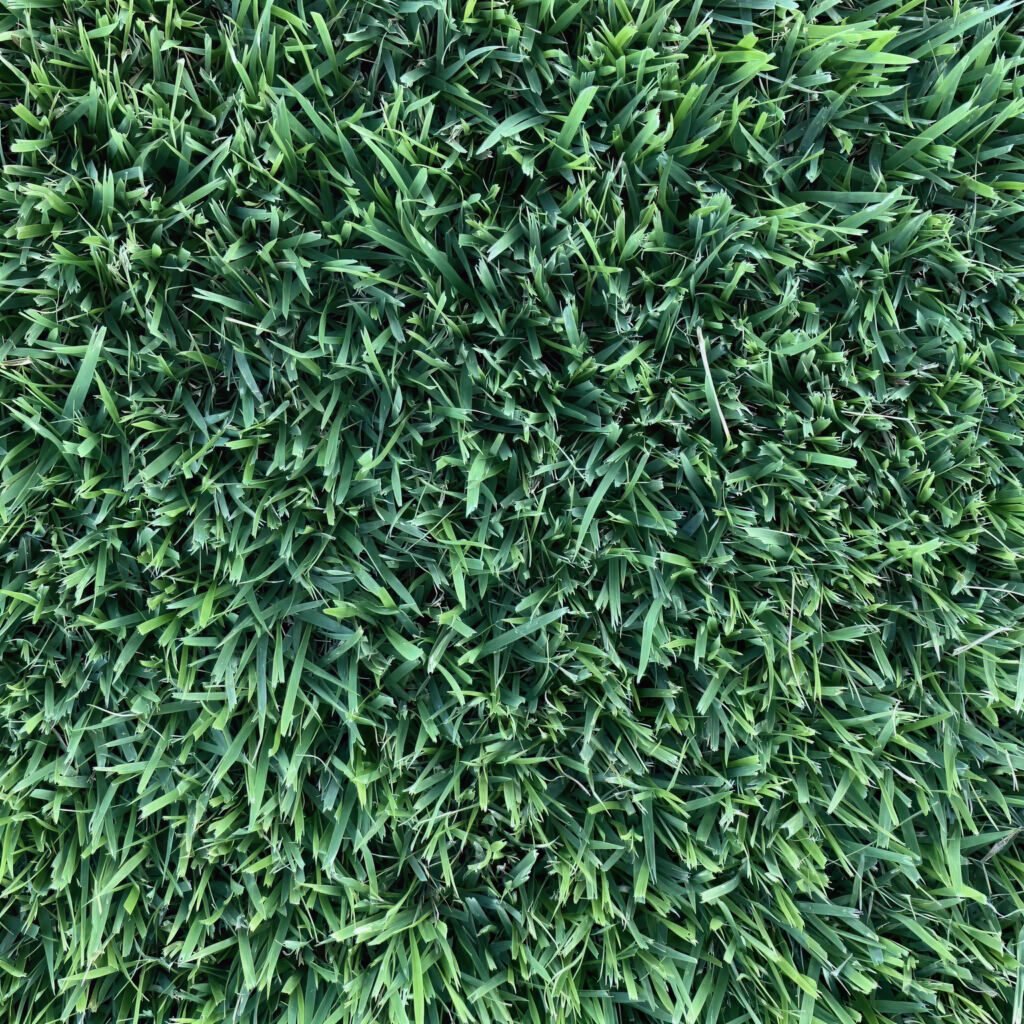
Modern synthetic turf can be designed to resemble natural grass. Different blade colors and shapes can create a realistic appearance when the product is properly installed.
It is useful to compare samples and consider how they look under natural light. The appearance of the turf across a large lawn can differ from a small sample, so careful selection is important.
Consider Durability
If a lawn receives frequent foot traffic, durability should be part of the decision. A product designed for regular use may be more appropriate for active areas.
Pet owners should also consider how easy the surface will be to clean. Choosing turf based on actual use can help create a more practical outdoor space.
Proper Ground Preparation Matters
One of the most important parts of artificial turf installation happens before the turf is even placed. The existing ground needs to be prepared properly to create a stable foundation.
Existing grass and unwanted vegetation generally need to be removed. Rocks, roots, and other debris may also need to be cleared.
The installation area can then be graded and leveled. Suitable base materials may be added and compacted to create a firm surface.
Poor preparation can lead to bumps, dips, shifting, or other visible problems. Taking time to prepare the ground can contribute to a smoother and more stable finished lawn.
Why Drainage Should Be Planned Early
Water management is another important consideration. Rainwater needs a suitable route away from the lawn rather than collecting in low areas.
Existing drainage problems should be identified before installation begins. Downspouts, slopes, soil conditions, and areas where water already collects can all affect the project.
Good drainage planning can help reduce standing water and protect the surrounding landscape. It can also make the finished lawn easier to clean and maintain.
What Happens During Artificial Grass Installation?
After the ground has been prepared, the turf is measured and positioned according to the shape of the property. Accurate measurements help installers work around corners, pathways, trees, and other landscape features.
If multiple pieces of turf are needed, they must be aligned and joined carefully. Poorly placed seams can be noticeable and may affect the appearance of the lawn.
The edges are also secured to help keep the turf in place. Depending on the product, infill may be added to support the turf fibers and improve the surface.
Once the installation is complete, the turf can be brushed and inspected to make sure the surface looks even and the edges are properly finished.
Artificial Grass and Natural Sod Are Different
Property owners searching for landscaping sod installation near me may be comparing natural sod with artificial turf. Both options can provide an attractive lawn, but their care requirements are different.
Natural sod is living grass. It requires water, sunlight, nutrients, mowing, and ongoing attention. With proper care, it can provide the traditional look and feel of a natural lawn.
Artificial grass does not grow, so it does not require mowing or regular watering for growth. It can provide a consistent appearance while reducing certain routine lawn care tasks.
Neither option is automatically suitable for every property. The decision should take into account the property’s conditions, intended use, maintenance expectations, and desired appearance.
How to Maintain Artificial Grass
Artificial turf can reduce lawn maintenance, but it still needs basic care. Dirt, leaves, dust, and other debris can accumulate on the surface over time.
Regular cleaning can help maintain the appearance of the lawn. Areas used by pets may require more frequent attention, while high traffic sections may benefit from occasional brushing.
Simple maintenance can include:
- Removing leaves and debris regularly, cleaning spills when they occur, rinsing areas as needed, and promptly removing pet waste.
- Brushing high traffic areas when necessary, inspecting edges and seams, keeping drainage areas clear, and addressing visible problems early.
A simple maintenance routine can help preserve the appearance and usability of artificial turf.
Where Artificial Grass Can Be Used
Artificial turf is not limited to traditional front and back lawns. It can also be considered for smaller landscape sections, pet areas, recreational spaces, commercial properties, and areas where natural grass has difficulty growing.
The surrounding landscape should be considered when planning the installation. Turf can be combined with patios, walkways, planting beds, trees, outdoor seating, and other features.
Create a Complete Landscape Design
A lawn should complement the rest of the property. Clean transitions between artificial turf and other surfaces can make the landscape look more organized.
Careful planning can also help ensure that pathways remain accessible and that outdoor areas are comfortable to use.
How to Choose an Installer
The quality of installation can affect the appearance and performance of artificial grass. Before choosing an installer, ask about their experience, preparation process, drainage approach, turf products, and installation methods.
It can also be useful to review previous work and request a detailed estimate. Make sure you understand what is included in the project, including ground preparation and finishing work.
A professional installation should address the entire project rather than focusing only on placing the turf.
Plan for Long Term Lawn Performance
Artificial grass can be a practical solution for property owners who want a consistent green landscape with fewer routine lawn care tasks. However, the finished result depends on more than the turf itself.
Good planning, suitable materials, proper drainage, careful ground preparation, and accurate installation all contribute to a successful project.
Before making a decision, consider how the space will be used, what type of maintenance you prefer, and which turf characteristics are appropriate for the property.
Conclusion
Creating an attractive lawn does not have to mean choosing the same solution for every property. If you are researching artificial grass installation in Dallas TX or comparing options after searching for landscaping sod installation near me, understanding your property’s needs can help you choose a suitable landscaping approach.
With careful planning, proper preparation, and appropriate installation, artificial turf can create a clean and consistent outdoor space. Texas Sod Pros can help property owners explore their lawn options and develop an outdoor solution suited to their specific property and landscaping goals.