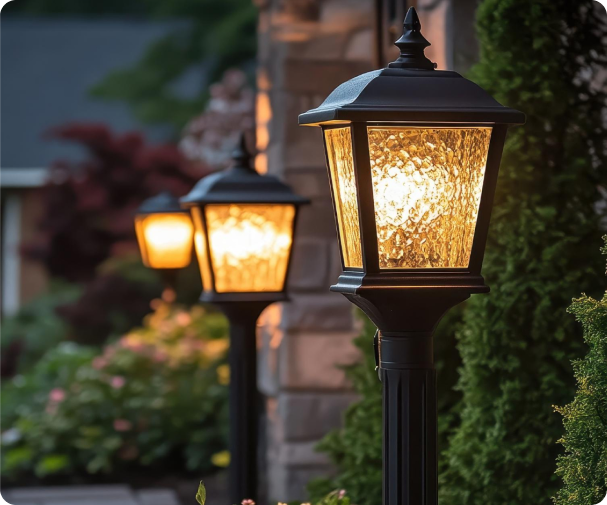
A home’s appearance does not have to fade when the sun goes down. With the right outdoor lighting, homeowners can highlight architectural features, illuminate walkways, and create a welcoming atmosphere throughout their property. Well-planned lighting helps a home look more attractive in the evening while making outdoor spaces easier to navigate.
Professional outdoor lighting goes beyond placing a few lights near the front door. It involves selecting suitable fixtures, positioning them strategically, and creating a balanced lighting design that complements the home’s architecture and landscaping. From illuminating garden features to highlighting entryways, a carefully designed system can improve the overall appearance of a property.
Here are several ways professional outdoor lighting can enhance your home’s curb appeal.
1. Highlight Your Home’s Architectural Features
Every home has features that contribute to its character. These may include stonework, brick walls, columns, decorative trim, rooflines, or distinctive entryways. During the day, natural light makes these details visible, but they can become difficult to see after sunset.
Professional lighting can draw attention to these features without making the property appear overly bright. For example, strategically positioned uplights can highlight textured walls or columns, while softer lights near an entrance can emphasize the front door.
The key is to create a balanced arrangement that complements the home’s design. A professional lighting plan considers the placement, brightness, and direction of each fixture to produce an attractive result.
By emphasizing the details that make a home unique, outdoor lighting can help create a more polished appearance after dark.
2. Create a Welcoming Front Entrance
The front entrance is one of the first areas visitors notice when approaching a home. Poor lighting can make the entrance difficult to navigate, while a well-lit entryway creates a more inviting impression.
Outdoor lighting can illuminate the front door, porch, steps, and surrounding landscaping. Wall-mounted fixtures, pathway lights, and carefully positioned accent lighting can work together to make the entrance feel comfortable and accessible.
Professional installation helps ensure that the lighting complements the size and style of the entrance. Fixtures should provide sufficient visibility without creating excessive glare or harsh shadows.
A welcoming entrance also benefits homeowners returning after dark. When the doorway and nearby walking surfaces are clearly illuminated, it becomes easier to approach the house safely.
3. Make Landscaping Stand Out at Night
Landscaping plays an important role in curb appeal. Trees, shrubs, flower beds, and ornamental plants add color, texture, and visual interest to a property. However, much of this detail can disappear at night without suitable lighting.
Landscape lighting helps preserve the beauty of these outdoor features after sunset. Uplighting can highlight the shape of mature trees, while low-level fixtures can illuminate garden borders and planting beds. Accent lights can also draw attention to decorative stones, retaining walls, and other landscape elements.
Professional lighting specialists consider the size, shape, and location of plants when selecting fixture positions. This approach helps create depth and visual balance rather than illuminating every feature equally.
For homeowners who have invested time and money in their gardens, landscape lighting offers another way to appreciate those spaces throughout the evening.
4. Improve the Appearance of Walkways and Driveways
Walkways and driveways are practical parts of a property, but they also influence its overall appearance. Dark pathways can make a home feel less inviting, while thoughtfully positioned lighting creates a more organized and attractive outdoor environment.
Pathway lights can define walking routes from the driveway to the front door. Driveway lighting can help highlight the approach to the home, while lights near steps and changes in elevation can improve visibility.
A professional design takes fixture spacing and brightness into account. Lights placed too close together may create an overly bright effect, while widely spaced fixtures can leave dark areas between them.
The goal is to illuminate important routes evenly while maintaining a natural appearance. When lighting complements the surrounding landscape, even simple walkways can become an attractive part of the home’s exterior.
5. Extend the Use of Outdoor Living Spaces
Curb appeal includes more than the front yard. Patios, decks, seating areas, and outdoor entertainment spaces can also contribute to the overall impression of a property.
Without adequate lighting, these areas may become difficult to use once daylight fades. Outdoor lighting can help homeowners enjoy their spaces for evening meals, family gatherings, or quiet time outdoors.
For example, subtle lighting around a patio can define its boundaries, while accent fixtures can highlight nearby plants or architectural details. Lighting near steps and seating areas can improve visibility without making the space feel too bright.
A professional lighting plan considers how people use the area and where illumination is most useful. This helps create a comfortable atmosphere while keeping the outdoor design visually consistent with the rest of the property.
6. Support Safety Without Sacrificing Style
Safety is another important part of outdoor lighting design. Dark entrances, uneven pathways, and poorly illuminated steps can make it harder for residents and visitors to move around a property.
Well-positioned lighting improves visibility in these areas while contributing to the home’s appearance. Fixtures near entrances, along walkways, and around changes in elevation can help people identify potential obstacles.
Lighting can also improve visibility around garage doors and side entrances. The objective is to illuminate key areas without producing excessive brightness or directing light into neighboring properties.
Professional installation helps homeowners balance practical lighting needs with aesthetic goals. Instead of relying on harsh floodlights alone, a layered approach can combine functional lighting with softer accent fixtures.
7. Choose a Lighting Design That Fits Your Property
Not every home benefits from the same outdoor lighting arrangement. The most suitable design depends on the property’s architecture, landscaping, outdoor layout, and lighting priorities.
Some homes may benefit from subtle architectural lighting, while others may need more emphasis on pathways, garden features, or entertainment areas. Fixture selection also matters because different styles, beam angles, and brightness levels produce different visual effects.
Working with an experienced outdoor lighting company can help homeowners identify suitable options and plan a coordinated installation. Professional services can also help determine fixture placement, reduce unnecessary glare, and create a consistent appearance across the property.
Homeowners interested in improving their exterior can explore professional outdoor lighting services to learn how a customized lighting plan can complement their home’s landscape and architectural features.
Conclusion
Professional outdoor lighting can make a noticeable difference in how a home looks and feels after sunset. By highlighting architectural details, illuminating landscaping, improving pathway visibility, and creating inviting outdoor spaces, a well-designed system can strengthen curb appeal while serving practical purposes.
The best results come from choosing lighting that suits the property rather than simply adding more fixtures. With thoughtful planning and professional installation, homeowners can create an exterior that looks attractive, welcoming, and functional throughout the evening.