The outdoor areas surrounding a business are often exposed to constant traffic, changing weather, and everyday debris. Car parks, driveways, loading zones, access roads, and pedestrian paths all collect dirt as vehicles and people move through the property. Leaves, dust, packaging, and loose gravel can gradually make these spaces look untidy, particularly when cleaning is postponed until the buildup becomes obvious.
Commercial Sweeping offers a practical way to maintain these areas and prevent loose debris from accumulating over time. Regular removal of dirt and rubbish helps keep the property presentable while making it easier to inspect pavement surfaces, kerbs, and drainage points. This can be useful for shopping centres, industrial sites, office complexes, and multi-unit developments where outdoor areas are shared by customers, employees, tenants, and delivery personnel.
The most suitable cleaning routine depends on the property’s layout and daily activity. A large warehouse yard has different requirements from a small office car park or a retail complex with busy pedestrian entrances. Understanding these differences helps property managers organise cleaning that reflects the site’s actual needs.
Understanding Where Outdoor Debris Comes From
Outdoor dirt can originate from several sources. Vehicle tyres carry dust, mud, and grit onto paved surfaces, while wind pushes lightweight rubbish into corners and against kerbs. Trees contribute leaves and small branches, and nearby construction activity may increase the amount of fine dust settling on exposed areas. These materials often collect in predictable locations, such as loading bays, fence lines, entrances, and drainage grates.
Commercial Sweeping helps remove loose material before it spreads across the site or becomes more difficult to collect. Identifying recurring problem areas can make the process more efficient because cleaning teams can focus additional attention where debris consistently builds up. Inspections after storms, deliveries, or periods of strong wind may also help managers decide whether an unscheduled cleaning visit is needed.
How debris is handled matters just as much as how it is removed. Pushing rubbish or sediment into gardens, waterways, or stormwater drains can create additional maintenance and environmental concerns. Collected material should be gathered and disposed of appropriately, particularly when it includes fine sediment or residue from industrial activity.
Establishing a Practical Cleaning Schedule
A suitable cleaning schedule begins with an assessment of how the property is used. Sites with constant deliveries, high vehicle turnover, or heavy pedestrian activity may require more frequent attention than premises with limited daily traffic. Weather exposure, surrounding vegetation, pavement condition, and the expectations of customers or tenants should also be considered.
When organising Commercial Sweeping, property managers can review several important factors:
-
Traffic volume: Busy service roads and parking areas often collect more dirt than lightly used sections.
-
Site layout: Large open areas may suit mechanical equipment, while narrow access routes and corners may need manual attention.
-
Weather conditions: Wind and rain can move debris and increase cleaning requirements.
-
Business operations: Work may need to be scheduled around deliveries, customer access, and operating hours.
-
Maintenance priorities: Entrances, pedestrian paths, loading areas, and drainage points may need more frequent checks.
A schedule should be flexible enough to accommodate changing conditions. If an area becomes dirty before the next planned visit, managers can review whether the frequency or cleaning method needs adjustment. Areas that remain relatively clean may not require the same attention as high-use sections.
Selecting Equipment for Different Outdoor Surfaces
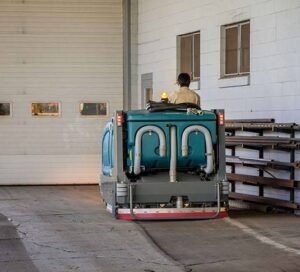
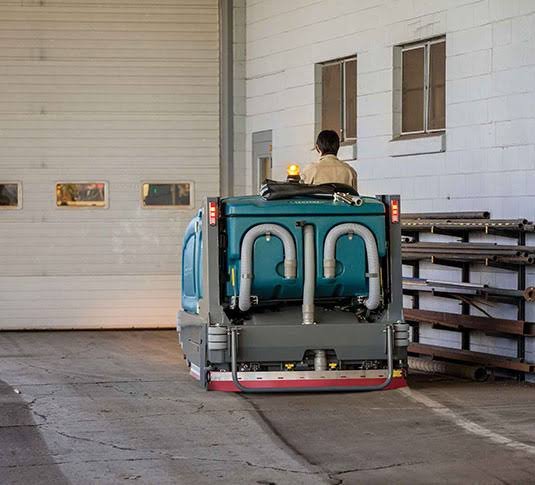
Equipment selection affects both cleaning efficiency and the quality of the result. Mechanical sweepers can cover extensive paved areas and collect substantial quantities of loose debris. Smaller machines may be more suitable for confined spaces, while manual tools can reach edges, corners, and locations where machinery cannot safely operate.
The type of material being collected also matters. Fine dust may require equipment designed to minimise airborne particles, while larger leaves and rubbish need suitable collection capacity. Industrial properties should consider whether their sites may contain unusual residues or potentially hazardous materials. Ordinary sweeping is not appropriate for every spill, and unfamiliar substances should be assessed before anyone attempts to remove them.
A provider such as Sweep N Scrub may be considered when a business needs scheduled outdoor cleaning or has several areas that are difficult to maintain with internal staff. Before arranging work, managers should establish the areas covered, expected frequency, access requirements, and process for reporting unusual conditions. These details help ensure the cleaning arrangement fits the property rather than disrupting its normal operations.
Supporting Safety and Protecting Pavement Conditions
Loose rubbish, gravel, and organic debris can affect how people move around outdoor spaces. Small objects may create trip hazards, while wet leaves can make certain surfaces slippery. Regular cleaning helps reduce these concerns, but it should be combined with other maintenance measures, including suitable lighting, clear pedestrian routes, visible line markings, and timely repairs to damaged pavement.
Commercial Sweeping can also support more effective property inspections. Once dirt has been removed, cracks, worn markings, damaged kerbs, and uneven surfaces may become easier to identify. Managers can record these problems and arrange appropriate repairs before they become more difficult or costly to address.
Drainage deserves particular attention during routine maintenance. Leaves and sediment can collect around grates, especially after heavy rainfall or windy weather. Sweeping helps limit the amount of loose material reaching these locations, although blocked drains may still need separate cleaning. Persistent water pooling should be investigated rather than treated as a problem that sweeping alone can solve.
Integrating Sweeping Into a Wider Maintenance Plan
Outdoor cleaning works best when it forms part of a broader property maintenance routine. It can be coordinated with landscaping, waste collection, pavement inspections, and other scheduled cleaning tasks. Combining related activities may reduce disruption and help staff identify issues while they are already working on the property.
A clear reporting process is useful for unexpected problems. A significant spill, damaged drain cover, or accumulation of storm debris may require attention before the next scheduled visit. Property managers should establish who is responsible for reporting these issues and how urgent work will be arranged. This helps prevent avoidable delays and ensures that unusual conditions receive appropriate attention.
Keeping records of completed work can improve future planning. Managers can track recurring debris, note areas that need extra attention, and review whether the current schedule is delivering the expected results. These records provide a practical basis for adjusting the maintenance plan as the property’s needs change.
Conclusion
Clean outdoor areas help businesses maintain presentable, accessible, and manageable premises. Traffic, weather, surface conditions, and site layout all influence how often cleaning is needed. By removing loose debris, checking drainage points, and including sweeping in a wider maintenance plan, property managers can address everyday cleaning needs while identifying emerging problems. A consistent Commercial Sweeping routine is a straightforward way to maintain outdoor spaces and support the long-term upkeep of business premises.