Starting a new lawn can be challenging when the ground is uneven, the soil has been disturbed by construction, or traditional seeding has produced inconsistent results. Homeowners often want a green outdoor space without the expense and installation work associated with laying sod across an entire yard. Hydroseeding offers another option by applying grass seed, water, mulch, and other selected materials directly to prepared soil. When researching residential hydroseeding near me, it helps to understand how the process works, what preparation a property needs, and how regular care affects the final results. A well-planned approach can make it easier to establish grass that suits the yard and the local growing conditions.
Understanding the Hydroseeding Process
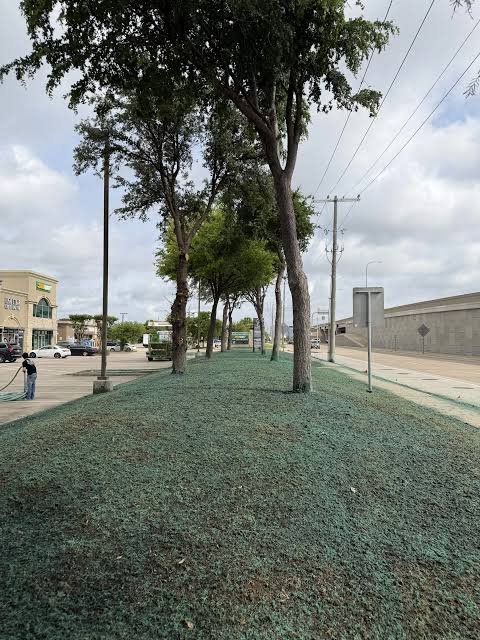
Hydroseeding uses specialized equipment to spray a mixture containing grass seed, water, and mulch over the ground. Depending on the project, the mixture may also contain fertilizer, soil amendments, or a binding agent that helps keep the materials in place. The mulch provides a protective layer that can retain moisture near the seed and reduce the effects of wind and light surface erosion. As the seed receives suitable moisture and temperatures, it begins to germinate and develop roots in the prepared soil.
Unlike sod, hydroseeding does not provide an instantly mature lawn. Instead, grass grows naturally from the seed, which means the finished appearance develops over time. The process can be useful for newly built homes, lawn renovations, and larger residential properties where spreading seed by hand would take considerable effort. Homeowners searching for residential hydroseeding near me should ask providers which seed mixtures suit their property and whether the ground needs grading or soil improvement before application. These details help establish realistic expectations from the beginning.
Preparing the Yard for Successful Grass Growth
Soil preparation plays a major role in whether a newly seeded lawn develops evenly. Construction work can leave behind compacted soil, buried debris, and uneven ground that prevents roots from spreading properly. Even an established yard can have problem areas where drainage is poor or weeds compete with new grass. Before hydroseeding begins, these issues should be identified and addressed so that the seed mixture reaches a suitable surface.
Depending on the property’s condition, preparation may involve removing stones and debris, loosening compacted soil, correcting uneven grading, or adding suitable topsoil. Drainage should also be considered because standing water can damage young grass and heavy runoff may carry seed and mulch away. Residential hydroseeding near me is most effective when the application is supported by careful site preparation rather than used as a substitute for correcting underlying problems. A contractor who assesses the yard before providing an estimate can help homeowners understand which steps are necessary and which are optional.
Choosing Grass That Suits the Local Climate
Grass selection should reflect the amount of sunlight a yard receives, the local climate, and how the outdoor space will be used. In North Texas, warm-season grasses are common because many varieties tolerate hot summers and perform well in sunny locations. Bermuda grass is frequently considered for open lawns that receive substantial sunlight and can accommodate regular mowing. Other options may be appropriate for shaded areas or yards with different maintenance requirements.
Homeowners should also consider whether children and pets will use the lawn frequently, how much irrigation is available, and whether maintaining a consistent green appearance throughout the year is a priority. Residential hydroseeding near me can involve different seed mixtures depending on these requirements, so it is worth discussing the intended use of the lawn before selecting materials. The right choice balances appearance, durability, growing conditions, and the time available for maintenance. No single grass variety is ideal for every yard, and even suitable seed needs appropriate care to establish successfully.
Benefits of Hydroseeding for Residential Properties
Hydroseeding can be practical for homeowners who need to establish grass across a substantial area without installing individual rolls of sod. The spraying process allows the seed mixture to be distributed over broad sections of ground, including areas that may be difficult to cover consistently by hand. The mulch can help maintain moisture around the seed while providing some protection against wind and light rain.
Common residential applications include:
- New construction lawns: Establishing grass after a home has been built and the surrounding ground has been graded.
- Large backyards: Covering open areas where manual seeding would require significant time and effort.
- Lawn renovations: Replacing damaged or thin grass after soil and drainage issues have been corrected.
- Suitable slopes: Helping establish vegetation on sloped ground, sometimes alongside additional erosion-control measures.
- Outdoor living areas: Creating grass coverage around patios, garden spaces, and other residential landscaping features.
The method also allows homeowners to choose a grass mixture suited to their needs. However, the initial application is only one part of the process. Seed quality, ground preparation, weather, watering, and maintenance all influence how well the lawn develops.
Watering and Maintaining a Newly Seeded Lawn
After hydroseeding, the ground usually needs regular watering to keep the seed and mulch sufficiently moist during germination. The surface should not become excessively dry, but overwatering can also cause problems by creating puddles, encouraging runoff, or moving the seed mixture. The correct schedule depends on weather conditions, soil drainage, and the grass variety being established. Homeowners should follow the provider’s instructions and adjust watering when rainfall or temperatures change.
New grass is also vulnerable to foot traffic, pets, and equipment. Limiting use of the yard during early growth gives the roots time to develop and reduces the risk of damaging fragile seedlings. Mowing should begin only when the grass reaches an appropriate height and the soil is firm enough to support the equipment. Residential hydroseeding near me should therefore be evaluated alongside the maintenance requirements that follow application, not just the initial installation price.
Fox Hydroseeding works with residential and commercial properties in the region, where weather and soil conditions can influence lawn establishment. Homeowners should discuss watering, mowing, and potential problem areas with their chosen provider before the work begins. Clear aftercare guidance can help prevent common mistakes during the most important stages of growth.
Comparing Costs and Planning the Project
The cost of establishing a hydroseeded lawn depends on more than the size of the yard. Site preparation, seed selection, soil condition, equipment access, and the need for additional erosion protection can all affect the final estimate. A level yard with prepared soil may require less work than a property with steep sections, construction debris, or drainage problems. Comparing estimates is more useful when homeowners understand exactly what each proposal includes.
Ask whether grading, soil amendments, application materials, and cleanup are included. It is also worth discussing the expected germination period and what happens if some areas fail to establish. Residential hydroseeding near me may be a cost-effective alternative to sod for many properties, but the right choice depends on the project timeline, available budget, and desired result. Planning ahead helps homeowners avoid unexpected expenses and choose a method that suits their property.
Conclusion
Hydroseeding offers homeowners a practical way to establish grass across new lawns, large yards, and renovated outdoor spaces. Successful results depend on preparing the soil, selecting appropriate seed, managing moisture, and protecting young grass as it develops. By understanding these requirements before beginning a project, homeowners can make informed decisions about their lawn and its long-term maintenance. Careful planning creates a stronger foundation for healthy grass and a more useful outdoor space.