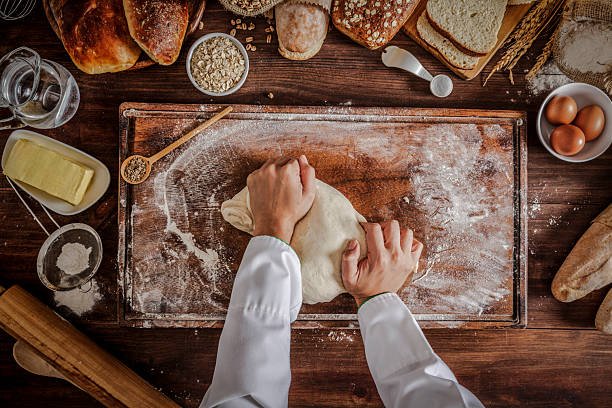
Artisanal bakery: Artisan Chef Hands kneading dough. Artisanal bakery is bread made by a craftsperson using mainly traditional techniques.
I understand what you mean. You watched a few videos about baking bread, and now you look at the loaf that came out of your kitchen and wonder why it turned out the way it did. Most people start by purchasing a bread-making kit, but they usually fail because they lack the necessary equipment. Bread making kits are the best solution to the problem. You might think it will be suitable for the first timer who can’t get invested in baking, but it is the quickest way into the world of bread-making. Over the years, I tested several bread making kits and found out that the most useful ones have a similar ideology; they provide you with high-quality equipment and teach you the basic principles of the craft.
What Actually Makes A Bread Making Kit Worth Buying
Not all kits are created equal, and I’m not just saying that. Some companies throw a recipe card and a cheap bowl scraper together and call it a “starter kit”, then charge you thirty dollars and call it a day. A genuinely useful kit gives you the essentials: a bench scraper, a lame (that’s the little blade for scoring, in case nobody told you), a proofing cloth, and — this one’s underrated a dough rising basket. That basket, sometimes called a banneton, is the difference between dough that spreads out flat on your counter and a loaf that actually holds its shape and rises up tall in the oven. If a kit skips that piece, I’d think twice. It’s not a luxury item, it’s kind of the backbone of the whole process.
Why The Dough Rising Basket Gets Overlooked
Here’s the thing nobody tells beginners. Your dough, especially high-hydration dough (the wet, sticky stuff that makes the best crust), needs support while it proofs. Without a proper rising basket, the dough just kind of slumps outward, loses structure, and you end up with a flatter, denser loaf than you wanted. A rattan or coiled dough rising basket wicks moisture away from the surface a little, which helps create that nice tacky skin that holds the score marks and gives you those pretty rings on the crust. I didn’t understand this for probably two years of baking. I just thought my dough was “bad.” Turns out I just didn’t have the right basket.
Wood, Rattan, Or Silicone — Does The Material Matter?
Honestly, yeah, it does, more than you’d guess walking into a kitchen store. Rattan bannetons are the classic choice, and for good reason — they breathe well and give the loaf those signature spiral or ridged patterns on the crust. Silicone ones are easier to clean, sure, but they don’t wick moisture the same way, so your dough can end up stickier and harder to release cleanly onto your baking stone. Wooden pulp baskets are a newer option, kind of a middle ground, and they’re decent if you don’t want to deal with flouring rattan every single time. My advice? If you’re buying a kit and it includes a rattan dough rising basket, that’s usually a green flag the company actually knows what they’re doing.
Size Matters More Than You’d Think
People buy one basket and assume it fits every loaf. It doesn’t, not really. A 9-inch round basket works fine for a standard boule, but if you’re baking sandwich-style loaves or bigger batches for a family, you’ll want something in the 10 to 11 inch range, or even an oval one for batards. Most decent bread making kits will include at least one round and one oval basket, which honestly covers 90 percent of home baking needs. If you only get one shape, go round — it’s more forgiving for beginners and works with pretty much any basic sourdough or yeasted bread recipe you’ll find online.
What Else Should Be In A Good Kit Besides The Basket
A bench scraper is non-negotiable, in my opinion. You need something to handle sticky dough without your hands turning into a gluten disaster. A lame or a simple razor blade holder for scoring bread is also huge — scoring isn’t just decorative, it controls where the loaf expands in the oven, so it doesn’t just burst open wherever it feels like. Some kits throw in linen proofing cloths too, which are handy for baguettes specifically, since they hold the shape between the folds of the cloth. If a kit includes a digital scale, even a cheap one, that’s a bonus, because bread baking really is more about weight than volume. Cups lie. Grams don’t.

Beginner Kits Versus Advanced Kits, And Which One You Actually Need
I’ll be blunt here — don’t overspend on your first kit. A lot of “professional” bread making kits throw in tools you won’t touch for months, like specialized dutch ovens or multiple lames with different blade angles. If you’re just starting out, get the basics: one good dough rising basket, a bench scraper, a scoring tool, and maybe a proofing cloth. That’s genuinely enough to bake a solid loaf. Once you’ve got a few loaves under your belt and you understand hydration levels and shaping, then go ahead and upgrade to the fancier stuff. There’s no reason to buy a kit with five bannetons when you’re still figuring out how to shape a boule without it deflating.
Commercial Vs Home Kits — Is There A Real Difference
Yes, and it’s not just marketing fluff. Commercial-grade kits, the kind bakeries or serious home bakers buy, usually come with thicker rattan baskets that hold their shape for years instead of warping after a dozen washes. The liners tend to be better too, actual linen instead of thin cotton that falls apart. If you’re baking bread more than twice a week, it’s worth spending a bit more upfront. Cheaper kits work fine for occasional bakers, the once-a-month sourdough hobbyist type, but they wear out faster and honestly the dough release isn’t as clean, which can be frustrating when you’re trying to get that perfect score right before it goes in the oven.
Caring For Your Bread Making Kit So It Actually Lasts
This part gets skipped a lot in reviews, which bugs me. Your dough rising basket, especially if it’s rattan, should never go in the dishwasher. Ever. Just knock out the excess flour, let it air dry completely, and store it somewhere dry so it doesn’t mold — rattan and moisture do not mix well long term. Bench scrapers and lames just need a wipe down, nothing fancy. Proofing cloths can be washed but skip the fabric softener, it messes with the fibers and stops them from doing their job of wicking moisture properly. Basically, treat your kit like tools, not dishes, and it’ll outlast three or four loaves’ worth of mistakes, easy.
Where To Buy And What To Expect To Pay
You’ll find bread making kits ranging anywhere from twenty dollars for the barebones stuff to well over a hundred for the full professional setup with multiple baskets and tools. My honest take? Somewhere in the forty to sixty dollar range gets you a legit kit with a quality dough rising basket, a bench scraper, and a scoring tool, which covers basically everything a home baker needs for the first year or two. Watch out for kits that are mostly recipe books with one flimsy tool thrown in — that’s padding, not value. Read the actual materials list before you buy, not just the marketing copy on the box.
Final Thoughts On Picking The Right Kit
At the end of the day, the best bread making kit isn’t the one with the most pieces or the shiniest packaging. It’s the one that gives you real, durable tools that actually make the process easier — especially a proper dough rising basket, because that one piece genuinely changes how your bread turns out. Start simple, don’t overspend chasing gear you don’t need yet, and take care of what you buy so it lasts. Bread baking has a bit of a learning curve, sure, but with the right kit in your hands, you’ll cut that curve down significantly. Trust me, once you pull a properly risen loaf out of the oven for the first time, you’ll get why people obsess over this stuff.
FAQs
What is the best bread making kit for beginners?
A basic kit with a dough rising basket, bench scraper, and scoring lame is really all a beginner needs. Skip the kits loaded with extras you won’t use for months.
Do I really need a dough rising basket to make bread?
Not technically, but it helps a lot, especially with wetter dough. It supports the shape while proofing and gives your crust that classic ringed pattern.
What’s the difference between a banneton and a dough rising basket?
Nothing really — banneton is just the French term for the same thing. Both refer to the basket used to proof shaped dough before baking.
Can I use a regular bowl instead of a dough rising basket?
You can in a pinch, lined with a floured cloth, but it won’t give you the same structure or crust pattern a proper basket provides.
How do I clean a rattan dough rising basket?
Never use water or a dishwasher. Just tap out the flour, let it air dry fully, and store it somewhere dry to avoid mold.
Is a more expensive bread making kit worth it?
If you bake often, yes. Commercial-grade kits hold up longer and give cleaner dough release, which matters once you’re baking multiple times a week.