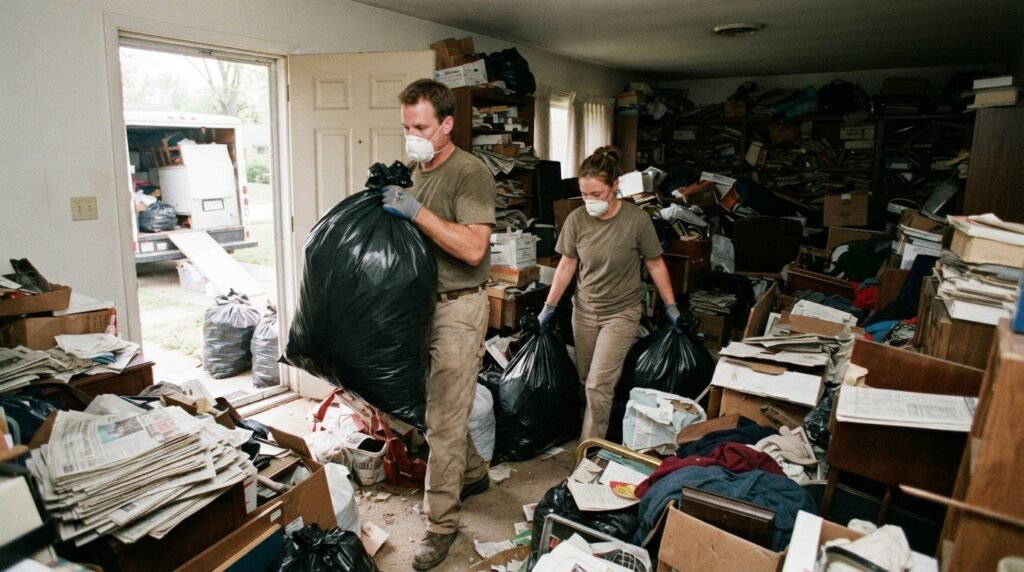
Hoarding can make daily tasks hard when belongings fill rooms, block walkways, and limit access to key areas. A clear plan helps families break the work into smaller steps. It also makes it easier to spot safety risks, sort useful items, and decide what needs to happen first.
Hoarder Cleanouts Services may help with tasks that feel too large to manage alone. The process works best when it respects the person who lives in the home. Start with safety, agree on clear goals, and allow time for personal choices. Steady progress can make a crowded home easier to use without adding needless stress.
Understand the Home’s Needs Before Starting
Hoarder cleanout services can help families plan work around the home’s condition and the needs of its residents. Before moving items, check which rooms are hardest to use and where the main risks lie. Blocked exits, crowded stairs, spoiled food, pests, and unstable piles need close attention. A short first check helps set safe and realistic goals.
Avoid trying to clear every room at once. Focus first on the areas needed for daily life, such as the entrance, bathroom, kitchen, and bedroom. Write down the main tasks and decide who will make choices about personal items. This gives the family a shared plan and helps prevent rushed decisions once the work begins.
Break the Work Into Smaller Tasks
Hoarding cleanup services often involve sorting, lifting, removal, and waste handling. Breaking these tasks into smaller stages makes the work easier to follow. For example, a family may first clear a safe route to the bathroom, then sort one cupboard, and later deal with larger items. Small goals also make it easier to track progress.
Choose One Area at a Time
Start with a small space that has a clear purpose. A short hallway or one part of a room may be easier to manage than a whole floor. Set a simple goal, such as making the route to a door clear. Once that task is done, review the result before moving to the next area.
Set a Realistic Pace
Long cleanout sessions can cause tiredness and poor choices. Plan breaks and allow enough time to check items before disposal. If the resident feels upset or overwhelmed, pause and discuss the next step. Clearing clutter from heavily packed homes is often a gradual task, so progress should be judged by safety and use, not speed alone.
Sort Belongings With Care and Respect
Clutter removal assistance can help families deal with large amounts of belongings while keeping important items safe. Before work begins, agree on clear groups for items to keep, donate, recycle, and discard. Set aside papers, photographs, keys, cash, and keepsakes for review. This simple system lowers the chance of losing things that matter.
Use Clear Sorting Groups
Label boxes or set aside marked areas for each group. Check bags, drawers, and containers before throwing anything away. Items that look old may still hold legal, financial, or personal value. Keep important goods in a secure place until the right person can review them. Do not mix sensitive papers with ordinary waste.
Involve the Person Who Lives There
The resident should have a say in decisions whenever possible. Some belongings may hold strong memories or provide a sense of comfort. Ask what matters most and explain why certain areas need to be cleared. Compassionate hoarding cleanup avoids blame and gives the person time to make choices. If the process causes severe distress, consider help from a suitable support worker.
Restore Safe Access Before Clearing Every Room
Hoarded home cleanouts should give people safer access to the parts of the property they use each day. Clear routes to doors, stairs, beds, toilets, and cooking areas first. Avoid pulling items from unstable piles or lifting heavy goods without help. If a route cannot be cleared safely, seek skilled support rather than risking an injury.
Check for Hidden Hazards
Clutter may hide mould, leaks, pests, broken flooring, or damaged electrical fittings. Once an area is clear, check it before putting furniture or stored items back. Do not touch unknown chemicals or waste that may pose a health risk. Serious damp, structural damage, and faulty wiring should be assessed by qualified professionals.
Keep Essential Areas Clear
After clearing a route, decide how it will stay open. Avoid storing bags, boxes, or furniture near exits and stairs. Keep daily items in places that are easy to reach. Restoring safer access throughout cluttered homes also means checking these routes often, especially if new belongings begin to gather in the same places.
Decide When Professional Help Is Needed
Some homes can be cleared through careful family effort, but larger jobs may need a trained team. Several packed rooms, heavy furniture, unsafe piles, pests, or contaminated waste can make the work harder. Ask for an assessment when the risks are unclear. The right level of help depends on the property’s condition and the tasks involved.
Ask What the Service Includes
Before arranging help, ask whether the service covers sorting, lifting, transport, disposal, and cleaning. Find out how the team protects personal belongings and handles items that need special care. Confirm whether extra work may cost more. Clear answers help families compare options and understand what will happen on the day.
Plan for Life After the Cleanout
Removing items is only one part of the process. Families should agree on simple storage limits and routines that keep daily paths open. Organizing living spaces after hoarding cleanup may involve placing useful goods where they are easy to find and setting aside regular time to review clutter. If the person continues to struggle, ongoing support may be useful.
Conclusion
A large cleanout feels more manageable when the work is split into clear stages. Begin with safety, sort belongings with care, and focus on the spaces that matter most to daily life. Hoarder Cleanouts Services may help when the workload or risks are too great for a family to handle alone. A calm plan, realistic goals, and respect for the resident can help make the home safer and easier to use.
Frequently Asked Questions
1. How should a family begin a hoarded home cleanout?
Start by checking exits, stairs, and key living areas. Identify urgent risks, agree on the first goal, and decide how personal items will be sorted before removal begins.
2. Should everything be removed in one day?
Not always. The time needed depends on the home’s size, the amount of clutter, and any safety concerns. Smaller stages may allow better decisions and reduce stress.
3. What items should be set aside during sorting?
Keep important papers, photographs, keys, cash, medicines, and personal keepsakes separate for review. Check containers and pockets before disposal, and store sensitive items securely.
4. When should a family seek professional help?
Seek help if there are unstable piles, heavy items, blocked exits, pests, or potentially harmful waste. Specialist support may also be needed for serious mould, wiring faults, or structural damage.
5. How can families stop clutter from building up again?
Keep exits and walkways free of stored items, set clear limits for storage, and check key areas regularly. If discarding belongings remains very distressing, consider suitable professional support.