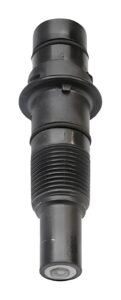
A chemical process rarely stays perfectly still. Flow, temperature, deposits and changing liquid composition can all influence what a sensor experiences. When readings begin to wander, a Glass pH Analysis Electrode may be responding to real process changes, developing a maintenance problem or experiencing an installation fault. Recognising the difference protects operators from making unnecessary adjustments.
Reliable pH monitoring is therefore about more than getting a number onto a display.
Why Can a Stable Process Show an Unstable pH Reading?
A glass pH sensor generates a small electrical signal related to the activity of hydrogen ions in the liquid. A compatible transmitter interprets that signal using the reference electrode and temperature information.
An unstable displayed value does not automatically mean the liquid is unstable. Poor electrical connections, an intermittently exposed sensing surface or contamination at the reference junction can also influence readings.
Separate Real Changes from Sensor Problems
Start by checking whether anything changed in the process itself. Recent chemical dosing, a new raw-material batch, altered mixing or a shift in flow may explain a different reading.
If conditions appear unchanged, compare the installed measurement with an approved independent sample test. The comparison should account for sampling delay and temperature differences before either result is declared incorrect.
Choose a Measurement Point That Represents the Process
An electrode mounted where liquid stagnates may report a different condition from the main process stream. Similarly, an installation immediately beside a chemical injection point can experience brief concentrations that do not represent the fully mixed liquid.
Select an accessible position with sufficient, representative contact between the sensing surface and the liquid. The correct arrangement depends on the vessel, pipeline, process flow and manufacturer’s installation guidance.
Installation Angle Can Affect the Signal
Many conventional glass pH electrodes must be installed within a specified orientation range rather than upside down. An unsuitable angle can trap an internal air bubble and interfere with contact between the glass membrane and its internal electrolyte.
Some specialised designs allow other orientations, so follow the exact sensor’s datasheet instead of applying one mounting rule to every product.
Understand What the Reference Junction Does
The glass membrane is only one part of the electrochemical system. A reference element provides a stable comparison point, typically through an electrolyte and a junction that contacts the process liquid.
That junction can become blocked by suspended solids, coated by oily deposits or affected by chemicals that enter the reference system. As a result, readings may drift, respond slowly or become difficult to stabilise.
Match Junction Construction to the Liquid
Clean water and heavily contaminated process liquids do not impose identical demands. For challenging samples, manufacturers offer reference arrangements designed to resist fouling or reduce exposure to interfering substances.
The right selection depends on the actual chemistry, solids content, pressure and maintenance access. A probe chosen only for its advertised pH range may perform poorly in a demanding installation.
Recognise the Warning Signs of Electrode Deterioration
Not every faulty electrode stops working completely. Gradual performance loss can appear as a slow response after a process change, repeated calibration failures or a persistent difference from an independent check.
Inspect the sensing end and connections before deciding that replacement is necessary. Signs worth investigating include:
- Deposits covering the glass membrane.
- A visibly cracked or chipped sensing bulb.
- Air exposure that may have dried the membrane.
- Residue or blockage around the reference junction.
- Damaged leads, moisture ingress or loose connections.
- Unexpected readings that recur under stable test conditions.
A cracked glass membrane generally requires replacement. Cleaning may help with removable deposits, but it cannot correct every reference-system or ageing problem.
Why Cleaning Is Not the Same as Calibration
Cleaning addresses physical contamination. Calibration checks the electrical measurement response against appropriate reference solutions. Performing one does not automatically accomplish the other.
For example, a deposit may cause an electrode to respond sluggishly even after a successful adjustment. Conversely, a clean probe can still require calibration because its response has changed during service.
Build a Maintenance Decision Sequence
A controlled inspection process can reduce unnecessary sensor replacement.
Review process conditions and historical readings, then confirm the electrode is correctly immersed. Inspect connections and the sensor body, clean using the procedure specified for the contamination, and allow the sensor to stabilise before testing.
Verify performance with suitable reference solutions, record the outcome and investigate repeated failures.
Avoid aggressive cleaning agents unless specifically permitted. Glass and reference materials may be damaged by incompatible chemicals, and hazardous cleaning procedures require specialist controls.
Protect the Measurement from Electrical Disturbance
Glass electrodes can produce high-impedance signals that are sensitive to poor connections and electrical noise. In industrial installations, unsuitable cable routing or moisture in a connector can undermine measurement confidence.
Use the manufacturer’s specified cable and transmitter arrangement. Keep vulnerable signal connections clear of unnecessary interference sources, and preserve the integrity of seals and fittings.
Turn Sensor Trends into Better Maintenance Decisions
Note when the probe was cleaned, verified, installed or replaced alongside changes to process temperature and chemical dosing.
Over time, those records help teams identify recurring fouling, unsuitable installation points or changing maintenance intervals. They can also reveal whether a sensor issue appeared suddenly or developed gradually.
For critical processes, alert settings should consider instrument reliability as well as process safety requirements. A faulty reading should trigger investigation, not an automatic assumption that chemical dosing must increase.
What Defines a Dependable pH Measurement?
A dependable system connects sensor selection, placement, reference-junction compatibility and maintenance into one approach. No single specification can guarantee reliable performance across all liquids.
A Glass pH Analysis Electrode remains valuable because it turns changing chemistry into information that operators can act upon. When teams distinguish real process variation from sensor drift, they can respond with greater confidence, reduce avoidable interventions and keep long-term monitoring more consistent.