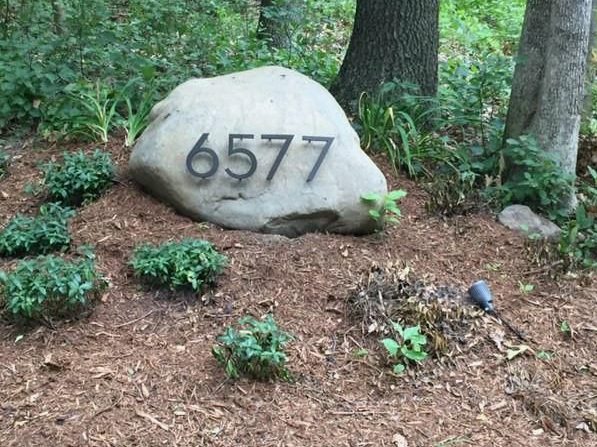
A property’s entrance creates the first impression for visitors, neighbors, and potential buyers, making even small exterior details important. A house number rock offers a distinctive way to display an address while adding character and permanence to residential landscaping. Unlike conventional address plaques or lightweight plastic signs, a carefully designed stone marker can become an architectural feature that complements the home, driveway, garden, or entrance. Homeowners increasingly value outdoor improvements that combine practical functionality with attractive design, particularly when they want their properties to feel welcoming and well maintained. Clear address identification also helps delivery drivers, service professionals, and guests locate the correct destination without unnecessary confusion. Choosing a durable, visually appealing marker therefore serves two purposes: improving everyday convenience and creating a more polished exterior.
When selecting a house number rock, property owners should consider more than appearance alone. Material quality, number visibility, placement, customization, and resistance to outdoor conditions all influence long-term satisfaction. A well-planned design should remain easy to read from the road while fitting naturally into the surrounding landscape. Boulder Designs by TUSA specializes in custom engineered stone features, including personalized address markers and decorative outdoor boulders that balance practical use with individual style. By considering the property’s architecture, driveway layout, lighting conditions, and maintenance needs, homeowners can choose an address feature that feels intentional rather than simply added as an afterthought. The right solution can serve as a lasting landmark while expressing the character of the people and property it represents.
Understanding the Value of a House Number Rock
A house number rock transforms a basic identification requirement into a permanent-looking landscape feature. Traditional address signs can be functional, but they may lack the visual presence needed for properties with long driveways, extensive gardens, or entrances set back from the road. A substantial stone marker provides a more noticeable point of reference while introducing texture and visual weight to the exterior. Engineered stone also allows manufacturers to create consistent shapes and customized designs without relying on a naturally occurring boulder with unpredictable dimensions. Homeowners can select a form that suits their available space, whether they prefer a compact marker near the entrance or a taller column that stands out beside a driveway. The most successful designs prioritize legibility, proportion, and placement, ensuring the address remains useful rather than becoming an ornamental feature that is difficult to identify. When these elements work together, an address marker can improve navigation and contribute to a cohesive outdoor design.
Why Material Quality Matters for Outdoor Address Signs
Outdoor signage must withstand changing weather, sunlight, moisture, temperature fluctuations, and routine exposure to dust or debris. Materials that perform well indoors may deteriorate when used continuously outside, potentially leaving numbers faded, surfaces damaged, or structural components unstable. Engineered stone provides an appealing option because it can be formed into purposeful shapes and finished to suit different exterior styles. However, buyers should evaluate the complete construction rather than assuming every stone product offers identical performance. Surface finishing, installation methods, number placement, and manufacturer guidance all affect the finished result. A quality address marker should also be proportioned to its surroundings, with sufficient visual contrast between the numbers and their background. Before purchasing, ask about recommended cleaning practices, installation requirements, and any applicable material warranty. These details help establish realistic expectations and make it easier to compare available designs. Investing in suitable materials and professional workmanship can reduce avoidable maintenance while preserving the marker’s appearance through regular outdoor exposure.
Choosing the Right Design for Your Property
The ideal address marker should complement the property’s architectural character instead of competing with it. A contemporary home may suit a clean-lined column with simple lettering, while a traditional residence may look better with a textured finish, decorative cap, or warmer color palette. Landscaping should influence the design as well. A marker surrounded by mature shrubs may require greater height, whereas an open entrance may accommodate a lower, wider feature. Homeowners should also consider the viewing distance, driveway width, street orientation, and amount of available space before finalizing the dimensions. Personalized elements such as family names, decorative graphics, or distinctive lettering can make the finished piece more meaningful, but the street number should remain the primary visual feature. Boulder Designs by TUSA offers customized stonework that allows property owners to discuss their preferences before production. Reviewing a design proof can help confirm the layout, proportions, and overall appearance before the project moves forward, reducing the likelihood of unexpected results.
Improving Visibility, Safety, and Everyday Convenience
An attractive address marker delivers limited value if visitors cannot read it from the road. Visibility should therefore guide decisions about lettering size, contrast, height, orientation, and installation location. Numbers need to remain recognizable from the directions drivers are most likely to approach, particularly when a property sits along a busy road or has a long entrance. Vegetation should not obscure the marker, and the surrounding landscaping should leave enough open space for the address to stand out. Lighting deserves special attention because a sign that is clear during daylight may become difficult to see after sunset. Integrated illumination can help make an address more noticeable in low-light conditions, provided the lighting is appropriately positioned and maintained. Double-sided designs may also be useful where vehicles approach from either direction. During the planning stage, evaluate the marker from the driver’s perspective rather than judging it solely from the front porch. These practical checks improve usability for guests, couriers, contractors, and emergency responders without sacrificing the appearance of the entrance.
Personalization and Long-Term Value in Custom Stonework
Personalized outdoor features can communicate identity while giving a property a more coordinated appearance. A custom address marker can reflect the colors, shapes, and materials already present in the home’s exterior, helping connect the driveway with the garden, mailbox, or entrance columns. For larger properties, the marker may also establish a visual transition between the public road and the private grounds. Businesses can apply similar principles to entrance signage, where clear identification and a professional appearance help visitors recognize the correct location. The house number rock concept is especially useful when owners want something more distinctive than a standard sign without introducing an overly elaborate structure. Customization should nevertheless remain purposeful. Additional graphics, decorative borders, and family names should support the overall design instead of reducing the prominence of the address. A restrained layout often remains visually appealing longer than one built around temporary trends. By balancing personal expression with readability and appropriate proportions, property owners can create a feature that feels individual while continuing to serve a clear everyday function.
Planning Installation and Maintenance for Lasting Performance
Even a well-made stone marker requires thoughtful installation to perform as intended. Before work begins, assess ground conditions, drainage, slope, vehicle clearance, and the distance between the proposed location and the roadway. The base must be appropriate for the marker’s size and weight, and the installation should comply with relevant property restrictions and local requirements. Placing a large feature too close to vehicle paths can create an avoidable obstruction, while positioning it behind thick landscaping can undermine its purpose. Professional installation may be particularly valuable for substantial columns or illuminated designs that require additional preparation. Once installed, maintenance is generally straightforward when owners follow the manufacturer’s recommendations. Periodically remove accumulated dirt, inspect visible surfaces, check that vegetation has not covered the numbers, and confirm that any lighting continues to operate properly. Avoid harsh cleaning products unless the manufacturer specifically approves them for the finish. Keeping records of the approved design, installation details, and warranty terms can also simplify future care. A small amount of routine attention helps preserve both the marker’s appearance and its practical usefulness.
Making a Confident Investment in Custom Address Design
Selecting an outdoor address feature is an opportunity to combine functional identification with a considered improvement to the property. The strongest choice is not necessarily the largest or most decorative option, but the one that meets the home’s visibility requirements, complements its architecture, and suits the available space. Buyers should compare construction quality, customization options, design approval procedures, installation needs, and ongoing maintenance before making a decision. They should also establish the total project cost, including any delivery, foundation preparation, electrical work, or installation services that may apply. Boulder Designs by TUSA provides custom engineered stone solutions for residential and commercial properties, allowing customers to explore address markers and related stone features based on their individual needs. A clear design process helps translate initial ideas into a practical result, particularly when the address must remain legible from a specific direction or fit within an existing landscape plan. Taking time to clarify these requirements before production can lead to a more satisfactory purchase and help ensure that the finished feature serves its intended purpose.
Conclusion
A thoughtfully selected house number rock can improve address visibility, strengthen curb appeal, and introduce a distinctive architectural detail to a property’s entrance. Achieving these benefits requires attention to material quality, design proportions, lettering contrast, placement, installation, and maintenance rather than appearance alone. Homeowners should begin by assessing how visitors approach the property, determine the most suitable size and style, and confirm that the chosen construction is appropriate for long-term outdoor use. Personalized details can add character, while clear numbering and suitable lighting help preserve everyday functionality. Working with an experienced custom stonework provider can make it easier to evaluate design possibilities and finalize a solution that fits the property’s requirements. Ultimately, the best address marker is one that combines dependable construction with practical visibility and a design that feels at home in its surroundings. By prioritizing these considerations, property owners can create a welcoming, recognizable entrance that reflects thoughtful planning and lasting attention to detail.