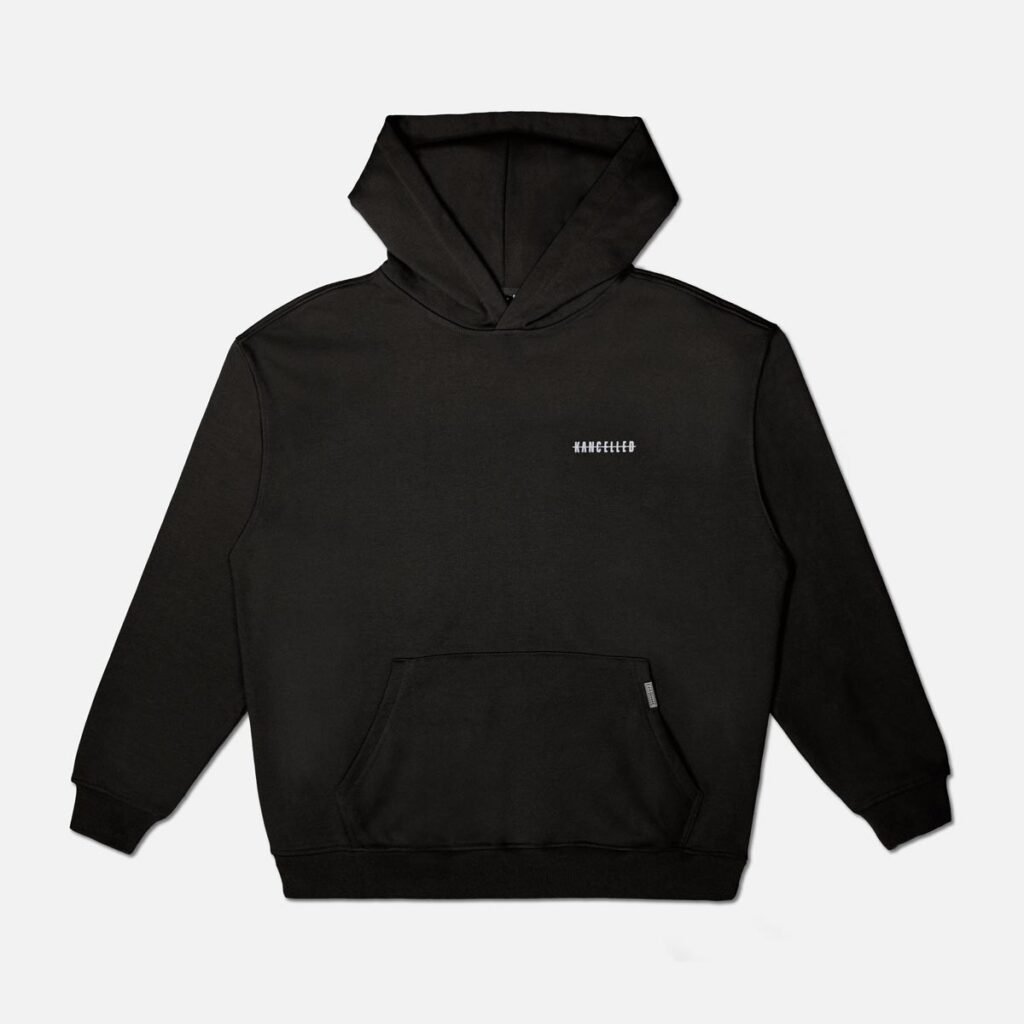
A great hoodie does more than keep you warm; it makes getting dressed easier, adds personality to your outfit, and keeps you comfortable throughout the day. However, choosing the right one requires more than picking an attractive color or design. If you appreciate expressive fashion, a Black culture hoodie can combine everyday practicality with meaningful cultural identity. By considering fabric, fit, construction, and versatility, you can find a style that suits your routine and remains a reliable part of your wardrobe.
Understand Your Everyday Clothing Needs
Before buying a hoodie, consider where and how you plan to wear it. Your daily activities should influence the fabric, design, and level of warmth you need. Someone who commutes to work, for example, may prefer a lightweight option that layers easily, while someone who spends time outdoors might need a thicker design.
Think about the weather in your area, your usual outfits, and how much movement your day requires. A versatile hoodie should feel comfortable during ordinary activities without making you too hot or restricting your movement.
It is also worth considering your personal style. Minimalist designs work well for people who prefer simple outfits, whereas graphic prints and cultural artwork help those who want their clothing to communicate something about their interests and identity.
Choose a Fabric That Feels Comfortable
Fabric is one of the most important factors when selecting everyday clothing. Even an attractive hoodie can become uncomfortable if it feels rough, traps too much heat, or loses its shape after washing.
Cotton for Softness and Breathability
Cotton hoodies are popular because they generally feel soft against the skin and provide good everyday comfort. They work particularly well for casual outings, relaxed weekends, and indoor activities.
However, cotton can take longer to dry than many synthetic fabrics. If you want something for frequent use, check the fabric weight and care instructions before purchasing.
Cotton-Polyester Blends for Practical Use
Cotton-polyester blends combine some of cotton’s softness with polyester’s resistance to shrinking and wrinkling. Depending on the fabric construction, these blends can also retain their shape better after repeated washing.
They are a practical choice for people who want clothing that looks presentable without requiring complicated care. For regular wear, a balanced blend can offer a useful combination of comfort, durability, and easy maintenance.
Fleece for Cooler Days
Fleece-lined designs provide extra warmth and feel especially comfortable during colder months. They are useful for early morning errands, outdoor walks, and relaxing at home when temperatures drop.
On the other hand, thick fleece may feel too warm in mild weather. Choose the level of insulation according to your climate and daily routine rather than assuming that heavier fabric is always better.
Find a Fit That Matches Your Style
The right fit affects both comfort and appearance. A well-fitting hoodie should allow you to move naturally, sit comfortably, and layer clothing underneath without feeling excessively tight.
Regular Fit for Everyday Versatility
A regular-fit design offers a balanced silhouette that works with jeans, chinos, joggers, and casual trousers. It is a dependable option if you want one garment for several situations.
Check the shoulder seams, sleeve length, and overall body length. The shoulders should sit naturally, while the sleeves should cover your wrists without interfering with your activities.
Oversized Styles for Relaxed Outfits
Oversized hoodies create a casual streetwear appearance and offer additional room for movement. They pair well with straight-leg jeans, relaxed trousers, and fitted bottoms that balance the overall silhouette.
However, oversized does not mean choosing a garment several sizes too large without checking its proportions. Look at the measurements, especially the chest width, shoulder drop, and length, to make sure the design looks intentional.
Slimmer Cuts for Layering
A slimmer hoodie can work well beneath a jacket, coat, or lightweight outer layer. Its reduced bulk makes it easier to create a neat outfit without excessive fabric around the waist and arms.
When choosing a closer fit, make sure the chest and underarms still allow comfortable movement. A clean silhouette should never come at the expense of practicality.
Compare Essential Hoodie Features Before Buying
Small construction details often determine whether a hoodie remains comfortable and attractive after months of use. Examining these features can help you avoid garments that look good initially but quickly become disappointing.
|
Feature |
What to Look For |
Everyday Benefit |
|---|---|---|
|
Fabric |
Soft cotton or a suitable blend |
Comfortable daily wear |
|
Stitching |
Even seams without loose threads |
Better construction quality |
|
Hood |
Comfortable shape and practical coverage |
Useful protection in cool weather |
|
Cuffs |
Secure but comfortable ribbing |
Helps sleeves stay in place |
|
Hem |
A stable finish that retains its shape |
Creates a consistent fit |
|
Pockets |
Accessible, well-stitched openings |
Convenient storage and hand warmth |
|
Zipper or closure |
Smooth operation and secure attachment |
Easier layering when applicable |
|
Care label |
Clear washing and drying instructions |
Simpler maintenance |
Use this checklist when comparing different options. You do not necessarily need every feature, but the garment should meet your comfort needs and show signs of careful construction.
Select a Color That Works With Your Wardrobe
Color plays a major role in how frequently you wear a garment. Choosing a shade that complements your existing clothing makes it easier to create outfits without buying additional pieces.
Neutral Colors for Maximum Versatility
Black, gray, navy, cream, and white are reliable choices because they coordinate with many other colors. A black hoodie, for instance, pairs naturally with blue jeans, dark joggers, or neutral trousers.
Neutral shades are particularly useful if you want to build a smaller wardrobe with interchangeable pieces. You can also add visual interest through shoes, accessories, or a contrasting jacket.
Graphic Designs for Personal Expression
Printed hoodies introduce color, artwork, slogans, or other details that distinguish an outfit. They are useful when you want a casual look to reflect your personality rather than relying entirely on basic clothing.
When selecting a graphic design, consider its placement, print quality, and overall appearance. A design that fits your preferences and coordinates with your usual clothes is more likely to remain a favorite.
For cultural designs, examine the artwork and messaging carefully. Authentic representation, thoughtful design, and respectful use of cultural references can make a garment more meaningful than a generic printed piece.
Consider Cultural Identity and Personal Meaning
Clothing can communicate values, interests, and connections as well as provide physical comfort. For some shoppers, a hoodie inspired by Black culture represents appreciation for Black creativity, heritage, art, music, and community.
When exploring culturally inspired designs, look beyond the graphic alone. Consider the message, the story behind the artwork, and whether the brand explains its inspiration clearly. These details can help you choose clothing that feels personally meaningful.
Quality matters here, too. Cultural significance does not replace the need for comfortable fabric, dependable stitching, and a suitable fit. Ideally, a garment should offer both a design you value and the practical features you expect from everyday clothing.
You can keep the rest of the outfit simple to let the graphic stand out. For example, combine a printed design with dark jeans and clean sneakers for an easy weekend look.
Match the Hoodie to Different Seasons
A useful wardrobe includes options that suit changing temperatures. The best choice for summer evenings may not provide enough warmth for a cold winter morning, so consider how fabric weight and layering affect comfort.
Lightweight Options for Mild Weather
Lightweight hoodies work well during spring, cool summer evenings, and transitional weather. They are easy to carry and usually fit comfortably beneath a denim jacket or windbreaker.
Choose breathable fabric if you expect to spend time walking or moving around. A lighter construction can help you stay comfortable without adding unnecessary bulk.
Midweight Designs for Regular Use
Midweight options offer a practical balance between warmth and flexibility. They suit everyday errands, casual gatherings, travel, and many indoor environments where a heavy garment would feel excessive.
If you want just one hoodie for most of the year, this category is a sensible starting point. You can adjust its warmth by wearing a T-shirt underneath or adding a jacket when needed.
Heavyweight Styles for Colder Conditions
Heavyweight designs provide more insulation and often have a structured appearance. They are useful in colder climates, particularly when combined with a suitable coat and warm base layers.
Nevertheless, consider how easy the garment is to move in and whether it fits comfortably beneath outerwear. A thick hoodie should provide warmth without making your outfit feel restrictive.
Style Your Hoodie for Everyday Activities
A versatile garment should fit naturally into your routine. With a few thoughtful combinations, you can wear the same piece in different ways without making every outfit look identical.
For a relaxed weekend, pair a regular-fit hoodie with jeans and comfortable sneakers. This combination works for shopping, meeting friends, or enjoying a casual lunch.
For travel, choose a soft design with a comfortable fit and practical pockets. Pair it with joggers or stretch trousers to make long journeys more comfortable, especially when temperatures change between indoor spaces and transportation.
If you prefer a more polished casual outfit, layer a simple hoodie beneath a structured jacket and wear it with straight-leg trousers and clean shoes. Keep the colors coordinated and avoid excessive layers to maintain a balanced appearance.
For a streetwear-inspired outfit, an oversized hoodie can work with relaxed trousers and statement sneakers. Let one element provide the visual focus so that the overall look remains intentional rather than cluttered.
Check Durability and Maintenance Requirements
A hoodie intended for frequent wear should withstand regular washing without quickly losing its shape, softness, or color. Before buying, inspect the seams, cuffs, waistband, and pocket openings for weak stitching or uneven finishes.
Read the care label to understand whether the garment requires cold washing, gentle cycles, or special drying instructions. Following these directions can help reduce unnecessary wear and preserve the fabric.
Turn graphic garments inside out before washing when the care label allows it. This can reduce friction on printed surfaces. Avoid excessive heat when drying if the manufacturer’s instructions recommend lower temperatures, since high heat may contribute to shrinkage or damage certain prints.
It is also helpful to rotate between a few garments rather than wearing and washing the same piece continuously. Giving clothing time between wears can reduce unnecessary laundering when the garment is still clean and suitable for reuse.
Evaluate Value Instead of Price Alone
An inexpensive hoodie may seem appealing, but the lowest price does not always provide the best long-term value. A garment that quickly develops loose seams, stretched cuffs, or faded graphics may need replacing sooner than a better-made alternative.
Compare the fabric, stitching, fit, comfort, and care requirements alongside the purchase price. Consider how often you expect to wear the item and whether it will work with clothing you already own.
You should also avoid paying extra for features you will rarely use. If you mainly need a comfortable layer for indoor activities, you may not need premium insulation, complicated closures, or multiple pockets.
The best purchase is one that fits your budget, suits your routine, and remains useful over time. Prioritizing these factors makes it easier to build a practical wardrobe without unnecessary spending.
Conclusion
Choosing the best hoodie for everyday wear becomes easier when you focus on comfort, fabric quality, fit, versatility, and durability. Consider your climate and daily activities first, then select a design that complements your wardrobe and reflects your personal style. Whether you prefer a minimalist essential or a culturally inspired graphic, the right garment should feel comfortable and remain practical after repeated use. Check construction details, follow the care instructions, and compare overall value before buying. With these simple steps, you can choose a dependable wardrobe staple that supports your everyday routine while allowing you to express yourself confidently.
Frequently Asked Questions
1. What fabric is best for an everyday hoodie?
Cotton is a good choice for softness and breathability, while cotton-polyester blends can offer easier maintenance and improved shape retention. Fleece-lined options are useful when you need additional warmth.
2. How should an everyday hoodie fit?
It should allow comfortable movement without pulling across the shoulders or chest. Sleeves should sit comfortably at the wrists, and the body length should suit your preferred style and layering needs.
3. Is an oversized hoodie suitable for daily wear?
Yes. Oversized styles provide a relaxed silhouette and pair well with jeans, joggers, and casual trousers. Check the measurements to ensure the proportions suit your body and outfit.
4. How can I make my hoodie last longer?
Follow the care label, avoid excessive heat when recommended, and wash graphic designs inside out when appropriate. Inspect seams and cuffs regularly, and avoid unnecessary washing when the garment is still clean.
5. How do I choose a hoodie that matches my personal style?
Start with colors and silhouettes that complement your existing wardrobe. Choose neutral designs for easy coordination or graphic options that reflect your interests, cultural appreciation, and personality.