Septic Tank Camera Inspection Explained: How Advanced Imaging Helps Identify Septic Issues
Maintaining a functional septic system is one of the most critical responsibilities for property owners, yet it is often one of the most neglected aspects of home and business maintenance. When a septic system fails, the consequences are far from minor; they range from unpleasant odors and sewage backups to significant environmental hazards and thousands of dollars in emergency repair costs. For years, the industry relied on guesswork, digging, and basic visual checks from the surface to diagnose problems. However, this traditional approach often misses the root cause of the issue, leading to unnecessary excavation and wasted resources. This is where modern technology has revolutionized the industry, providing a non-invasive way to see exactly what is happening beneath the ground without destroying the landscape.
A Septic Tank Camera Inspection represents the gold standard in diagnostic technology for wastewater management. By utilizing high-resolution fiber-optic cameras, technicians can navigate the intricate network of pipes and tanks to locate blockages, cracks, and root intrusions with pinpoint accuracy. As the demand for more efficient and less invasive home maintenance solutions grows, property owners and facility managers are increasingly seeking out this specialized service. Understanding how this technology works and why it is essential for the longevity of your septic system is vital for anyone looking to avoid the nightmare of a failed drain field or a backed-up plumbing system.
Understanding Septic Tank Camera Inspection and Its Importance
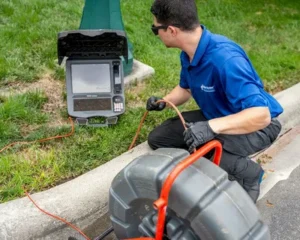
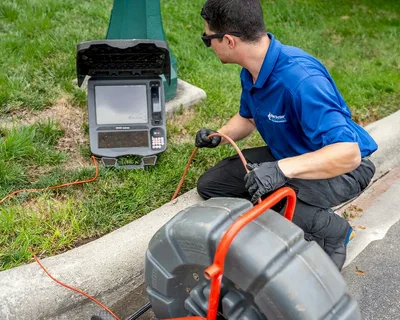
To fully appreciate the value of this technology, one must understand the anatomy of a septic system and the limitations of traditional inspections. A standard inspection typically involves locating the tank, opening the lids, and checking the liquid levels and scum layers. While this provides a snapshot of the tank’s health, it does nothing to assess the condition of the inlet and outlet pipes, the distribution box, or the drain field lines. These underground components are where the most severe and costly issues—such as bellied pipes, offset joints, and crushed conduits typically occur. A Septic Tank Camera Inspection bridges this gap by inserting a specialized waterproof camera into the cleanout or access port, allowing the technician to view the interior of the pipes in real-time on a high-definition monitor. This visual evidence is invaluable because it removes the guesswork from diagnostics. Instead of assuming where a blockage is or guessing if a pipe is collapsed, the technician can see the exact location and nature of the defect. This precision is crucial because it allows for targeted repairs rather than blanket excavation. If a single section of pipe is cracked, the camera can identify it, meaning the homeowner only pays to dig up that specific area, preserving the rest of the yard and saving significantly on labor costs.
Importance of Professional Septic Diagnostics
The importance of hiring a professional for this specific task cannot be overstated, as the equipment required is specialized and the interpretation of the footage requires expert knowledge. A professional septic service provider uses rugged, flexible push-cameras designed to navigate the bends and turns of residential and commercial plumbing without getting stuck. They also utilize sonar technology in some cases to measure pipe diameters and detect obstructions filled with liquid or sludge that a camera might not clearly see. Furthermore, the data collected during a professional inspection serves as a critical legal and historical record. For real estate transactions, a Septic Tank Camera Inspection is often a requirement for buyers who want to ensure they are not purchasing a property with a failing system. Sellers benefit as well, as a clean inspection report can be a strong selling point. Moreover, regular professional inspections can catch minor issues before they escalate into major public health hazards. A small crack in a pipe can allow groundwater to infiltrate the system, overwhelming the drain field and causing it to fail. By identifying this early, a simple repair can prevent the need for a complete system replacement, which can cost tens of thousands of dollars.
Services and Features Related to Advanced Septic Imaging
When you schedule a comprehensive evaluation, you are not just getting a video feed; you are receiving a full suite of diagnostic services aimed at preserving your system. The core feature is the real-time video inspection, but modern services often include the recording of the footage for future reference, allowing homeowners to see exactly what the technician sees. This transparency is a hallmark of quality service. Additionally, many providers use locating equipment that works in tandem with the camera. Once a defect is spotted on the screen, a sonde transmitter in the camera head allows the technician to mark the exact location of the problem on the surface using a locator device. This ensures that when the excavation crew arrives, they dig in precisely the right spot. Some advanced services also include pressure jetting capabilities that can be used immediately following the inspection to clear soft blockages like grease or sludge, provided the pipe structure is sound. If the inspection reveals significant root intrusion, the camera can determine the severity, helping the technician decide between chemical root treatment or mechanical cutting. In essence, this service provides a roadmap for the maintenance and repair of the entire underground infrastructure.
Choosing the Right Septic Tank Camera Inspection Provider
Selecting the right company to perform this service is a decision that requires careful consideration, as not all septic services are equipped with the same level of technology or expertise. You should look for a company that specializes in septic system diagnostics and has a proven track record of using high-quality camera equipment. It is advisable to ask about the resolution of their cameras; lower-quality cameras may provide a grainy image that makes it difficult to identify hairline cracks or subtle root infiltration. A reputable provider will also offer a detailed report of their findings, often including video clips or still images, which you can keep for your records. Experience is another critical factor. A technician who has performed hundreds of these inspections knows what to look for and can distinguish between normal wear and tear and a serious defect requiring immediate attention. Furthermore, you should inquire about the scope of the inspection. Does the price include inspecting the tank itself, the inlet and outlet baffles, and the drain field lines? A thorough provider will inspect the entire system, not just the main line, to ensure there are no hidden surprises. Finally, check reviews and ask for references to ensure the company is reliable and honest, as the findings of the inspection often lead to recommended repairs.
Quality, Safety, and Industry Standards
The field of septic inspection is governed by various industry standards and safety protocols that professional companies must adhere to. Organizations such as the National Association of Wastewater Technicians (NAWT) provide certification for inspectors, ensuring they are trained in the proper techniques for evaluating septic systems. When a Septic Tank Camera Inspection is performed, safety is paramount. The inspection involves working around sewage, which contains harmful bacteria and gases like methane and hydrogen sulfide. Professionals must use personal protective equipment (PPE), including respirators and protective suits, and they must follow strict confined space entry procedures if entering the tank is necessary. From a quality standpoint, the equipment must be properly sanitized between jobs to prevent cross-contamination between different properties. The standards also dictate the methodology of the inspection. For example, the camera should be run from the house towards the tank, and then from the tank to the drain field, to get a complete picture of the flow. The technician should also note the slope of the pipes, as improper slope (too steep or too flat) is a common cause of premature system failure. Adhering to these standards ensures that the inspection is accurate, safe, and legally defensible if the findings are used in a real estate transaction or a dispute with a contractor.
Benefits of Hiring or Using Professional Services
The benefits of investing in a professional video inspection extend far beyond simply clearing a clog. The most immediate benefit is cost savings through preventative maintenance. By identifying a cracked pipe or a root intrusion early, you can address the issue before it causes a backup or damages the drain field. The cost of a camera inspection is negligible compared to the cost of replacing a drain field or remediating a sewage spill. Another significant benefit is the peace of mind that comes from knowing your system’s exact condition. For business owners, such as those operating restaurants or hotels, a septic failure can mean a shutdown of operations and a loss of revenue. Regular inspections ensure business continuity. For homeowners, it protects the value of their property and the health of their family. Additionally, a video inspection can help you avoid being scammed by unscrupulous contractors who might claim you need a new system without evidence. The footage provides irrefutable proof of the system’s condition. It also allows for more accurate bidding on repair jobs, as contractors can see exactly what needs to be done, reducing the likelihood of unexpected costs arising during the repair process.
Future Trends and Industry Development
The technology behind septic system diagnostics is continually evolving, bringing new levels of efficiency and accuracy to the industry. We are seeing the integration of AI and machine learning into camera inspection software. These systems can automatically flag potential defects, such as cracks or corrosion, by analyzing the video feed in real-time, assisting the technician in making a more accurate diagnosis. Another emerging trend is the use of autonomous robotics for pipe inspection. While still in its infancy for residential septic systems, robotic crawlers equipped with advanced sensors could one day map an entire septic system without direct human control, providing a 3D model of the underground infrastructure. Furthermore, there is a growing trend towards remote monitoring systems. These systems use sensors placed in the tank to monitor levels and send alerts to a smartphone, potentially triggering a camera inspection automatically if anomalies are detected. As environmental regulations regarding wastewater disposal become stricter, the demand for precise, documented inspections will only grow. The future of septic maintenance is data-driven, and the Septic Tank Camera Inspection is the foundational tool that makes this data accessible and actionable for property owners and service providers alike.
Conclusion
In an era where preventative maintenance is key to avoiding costly disasters, the role of advanced imaging in septic care is indispensable. Relying on surface-level checks or guesswork is a risky gamble that can lead to environmental damage and financial strain. By embracing technology, property owners can gain a clear, unambiguous understanding of their system’s health. Whether you are buying a new home, experiencing recurring backups, or simply maintaining a commercial facility, scheduling a Septic Tank Camera Inspection is a proactive step towards responsible property management. It provides the evidence needed to make informed decisions, ensuring that repairs are targeted, effective, and economical. Protect your investment and your peace of mind by utilizing the power of advanced imaging to keep your septic system functioning smoothly for years to come.