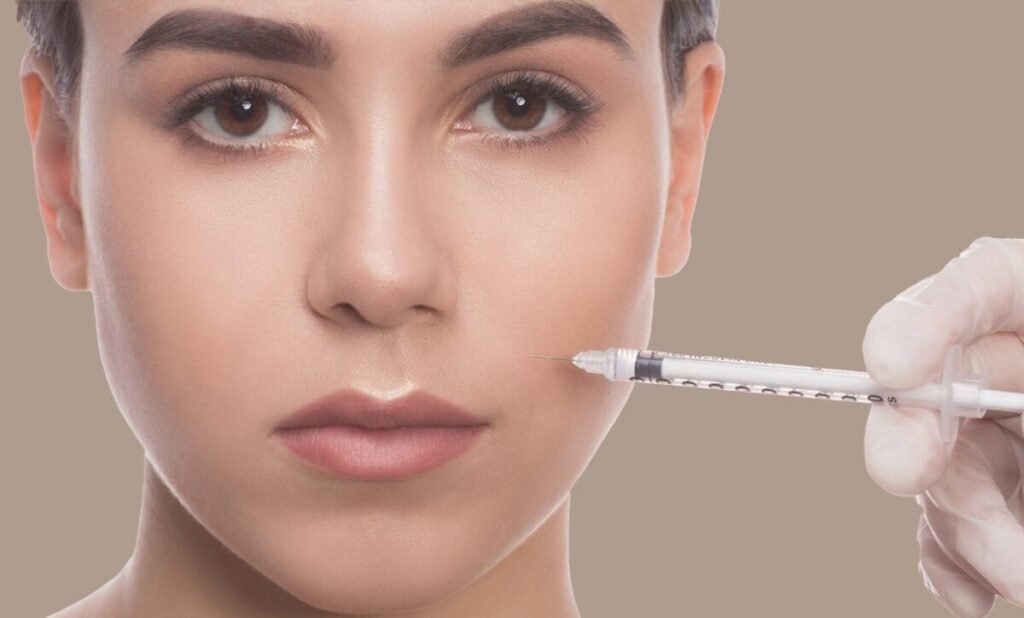
Skin changes gradually throughout life, and factors such as age, lifestyle, environmental exposure and natural skin characteristics can influence its appearance. Changes in hydration, texture, elasticity and overall skin quality may become more noticeable over time. Because every person’s skin is different, an assessment before treatment is an important part of deciding how a personalised skin-rejuvenation approach should be planned.
Before considering polynucleotide treatment, a clinician can examine the current condition of the skin and discuss the concerns that matter most to the patient. This assessment provides an opportunity to look beyond individual imperfections and understand the overall quality and characteristics of the skin.
For people considering Polynucleotide in London, understanding how the skin is assessed before treatment can provide useful insight into what happens during a consultation and why treatment planning is tailored to the individual.
Why Is Skin Condition Assessed Before Polynucleotide Treatment?
Skin condition can vary significantly between individuals. Some people may be primarily concerned about dryness, while others may notice changes in texture, elasticity or overall skin appearance.
A pre-treatment assessment allows the clinician to establish a clearer understanding of the patient’s current skin characteristics. This can include looking at the skin’s texture, hydration, elasticity and overall appearance.
The assessment also gives the patient an opportunity to describe what they have noticed and what they hope to improve. These concerns can then be considered alongside the clinician’s observations.
Rather than approaching treatment in exactly the same way for everyone, a personalised assessment helps determine which aspects of skin quality are most relevant to the individual’s goals.
What Does Skin Condition Include?
Skin condition refers to several characteristics that contribute to how the skin looks and feels. It is not limited to one visible concern.
During consultation, the clinician may consider factors such as skin texture, hydration, firmness, elasticity and overall tone. The appearance of fine lines or changes in skin smoothness may also be discussed.
Different areas of the face can have different characteristics. For example, the skin around the eyes may appear different from the cheeks, while the lower face may have its own texture and hydration pattern.
Understanding these variations allows the clinician to consider the skin as a whole while also paying attention to the areas that concern the patient most.
How Is Skin Examined During Consultation?
The assessment usually begins with a visual examination of the skin. The clinician can observe its overall appearance and identify areas where changes in texture, hydration or firmness may be noticeable.
The skin may also be examined more closely to understand its characteristics in greater detail. Depending on the treatment area, the clinician may assess several regions of the face individually.
The patient’s concerns are considered throughout the assessment. For example, someone may report that their skin feels less smooth than it previously did, while another person may be more concerned about a loss of firmness.
Combining the patient’s description with a clinical assessment creates a more complete understanding of the skin before treatment is considered.
Is Skin Texture Considered?
Yes. Skin texture is an important aspect of overall skin quality.
Healthy-looking skin generally has a relatively smooth and even appearance, but texture can change over time. Factors such as natural ageing and environmental exposure may contribute to visible changes.
During consultation, the clinician may assess whether the skin appears smooth, uneven or affected by changes in surface texture.
This information can help identify which skin-quality concerns are most relevant when discussing Polynucleotide Injections London.
How Is Skin Hydration Evaluated?
Hydration can influence how the skin looks and feels. Skin that appears dry may have a different texture and overall appearance from well-hydrated skin.
During consultation, the clinician may observe visible signs associated with the skin’s hydration and ask the patient about their experience of their skin.
Hydration is considered alongside other characteristics rather than being viewed independently. The overall condition of the skin provides a more useful basis for discussing an appropriate treatment approach.
Why Is Skin Elasticity Important?
Elasticity refers to the skin’s ability to stretch and return towards its previous position. It is one of the characteristics that can influence the appearance of firmness.
As skin changes over time, its elasticity may also change. This can contribute to differences in how the skin sits and moves.
A clinician may therefore consider skin elasticity as part of the broader assessment, particularly when a patient is concerned about changes in firmness or skin quality.
The assessment can help distinguish between different aspects of skin ageing and identify the patient’s main priorities.
Are Fine Lines Considered During Assessment?
Fine lines may form part of the skin assessment. They can be influenced by natural ageing, facial movement and changes in the skin’s structure and hydration.
The clinician may observe where fine lines are visible and whether they are noticeable when the face is relaxed or during expression.
However, the assessment does not focus exclusively on individual lines. Fine lines are considered alongside other aspects of skin quality to understand the overall condition of the treatment area.
Is Skin Tone and Overall Appearance Evaluated?
Overall skin tone and appearance may also be considered during consultation. Differences in tone, uneven appearance and changes in skin brightness can contribute to a person’s concerns about their complexion.
The clinician may examine the face under suitable lighting and look at the overall appearance of the skin.
Patients can also explain what they have noticed about their complexion and which changes are most important to them.
This discussion helps create a more complete picture of the patient’s skin concerns before a treatment plan is considered.
Does Skin Condition Vary Across the Face?
Yes. The skin is not necessarily identical across every part of the face.
The cheeks, forehead, area around the eyes and lower face may have different levels of hydration, texture and elasticity. These differences can be influenced by facial anatomy, skin characteristics and individual lifestyle factors.
For this reason, a clinician may assess multiple areas rather than relying on the condition of one part of the face to represent the entire complexion.
A detailed assessment allows these regional differences to be considered when discussing treatment.
How Are Individual Skin Concerns Discussed?
A consultation is also an opportunity for patients to explain their own observations. People often notice subtle changes in their skin before seeking professional advice.
A patient may describe their skin as feeling drier, looking less radiant or appearing less smooth than before. Others may be more concerned about fine lines or changes in firmness.
The clinician can discuss these concerns and compare them with the findings of the skin assessment.
This conversation is valuable because treatment planning should reflect both the observed condition of the skin and the patient’s individual priorities.
Does Age Determine Skin Condition?
Age can influence skin characteristics, but it does not determine an individual’s skin condition by itself.
People of the same age can have very different skin textures, hydration levels and degrees of elasticity. Lifestyle, genetics, environmental exposure and personal skincare habits can all contribute to these differences.
Therefore, a consultation focuses on the patient’s current skin rather than relying solely on age.
This individualised approach can help ensure that the discussion about Polynucleotide in London is based on the person’s actual skin characteristics and goals.
How Does Lifestyle Affect the Skin Assessment?
Lifestyle factors may be discussed during consultation because they can influence overall skin appearance.
The clinician may ask about skincare routines, sun exposure, hydration habits and other factors relevant to the patient’s skin concerns.
This information provides useful context for understanding why particular changes may be visible.
However, the assessment remains focused on the patient’s current skin condition. Lifestyle information simply adds context to the visual and physical evaluation.
What Happens During a Polynucleotide Consultation?
A consultation generally begins with a discussion about the patient’s concerns, expectations and areas they would like to improve.
The clinician then examines the skin and considers characteristics such as texture, hydration, elasticity, tone and overall appearance. Specific facial areas may receive closer attention depending on the patient’s concerns.
The clinician can also discuss the patient’s existing skincare routine and relevant background information.
After the assessment, the findings can be explained and an individualised approach can be discussed.
For those researching a Polynucleotide Injections Clinic in London, understanding the importance of a detailed consultation can help explain why skin assessment is an essential part of treatment planning.
Why Is Personalised Skin Assessment Important?
No two people’s skin is exactly the same. Even when two patients have similar concerns, their underlying skin characteristics may differ.
One person may have greater concerns about hydration and texture, while another may be more focused on elasticity or visible signs of ageing.
A personalised assessment allows these differences to be recognised. Instead of applying a standard approach to every patient, the clinician can consider the individual’s skin condition and goals.
This creates a more informed basis for discussing treatment and allows the patient to understand why certain areas may receive attention during the treatment plan.
What Should You Discuss With the Clinician?
Patients can make their consultation more useful by explaining what changes they have noticed and when they first became aware of them.
It can be helpful to describe whether the main concern relates to texture, hydration, firmness, fine lines, overall skin quality or another characteristic.
Patients should also discuss their expectations and the type of improvement they would like to see in their skin.
This information gives the clinician a clearer understanding of the patient’s priorities and allows those preferences to be considered alongside the skin assessment.
Conclusion
Assessing skin condition before polynucleotide treatment is an important part of creating a personalised approach. The assessment can consider several characteristics, including skin texture, hydration, elasticity, tone, fine lines and overall appearance.
Because different parts of the face can have different skin characteristics, several areas may be examined during consultation. The patient’s own concerns and aesthetic goals are also considered alongside the clinical assessment.
For people considering Polynucleotide in London, a detailed consultation provides an opportunity to understand the current condition of their skin and discuss an approach based on their individual characteristics. By assessing the skin before treatment, the clinician can develop a more personalised plan that reflects both the patient’s skin quality and their desired goals.
FAQs
Why is skin assessed before polynucleotide treatment?
Skin is assessed to understand its current condition and identify characteristics such as texture, hydration, elasticity and overall appearance. This information helps support personalised treatment planning.
What does a skin assessment include?
A skin assessment may include examination of texture, hydration, firmness, elasticity, tone, fine lines and the general appearance of the treatment area.
Is skin texture considered before polynucleotide injections?
Yes. Skin texture can be evaluated as part of the overall assessment, particularly when a patient is concerned about uneven or less smooth-looking skin.
Does hydration affect the skin assessment?
Hydration can influence skin appearance and texture, so it may be considered alongside other characteristics during consultation.
Is skin elasticity evaluated before treatment?
Yes. Skin elasticity may be assessed when discussing changes in firmness and overall skin quality.
Does the clinician assess the entire face?
The areas assessed depend on the patient’s concerns and proposed treatment area. Several regions may be examined because skin characteristics can vary across the face.
Does age determine whether someone has suitable skin for treatment?
Age alone does not determine skin condition. Individual skin characteristics, concerns and goals are considered during the consultation.
What should I discuss during a polynucleotide consultation?
You can explain the changes you have noticed in your skin, the areas that concern you most, your skincare routine and the type of improvement you would like to achieve.
Why is a personalised skin assessment important?
Everyone’s skin has different characteristics. A personalised assessment allows the clinician to consider the individual’s skin condition and goals when discussing an appropriate treatment approach.