Food labels help customers understand what they are buying. For people who pay close attention to their diet, a package can provide important information before they decide whether to purchase a product. Clear labels can make this process easier and help customers feel more informed.
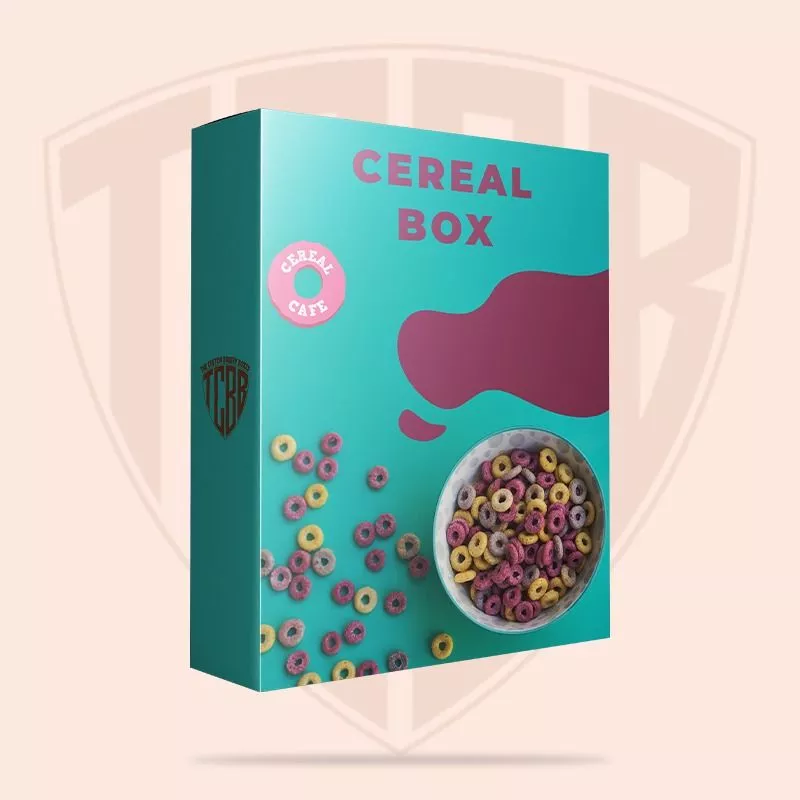
For food businesses, packaging is also an important place to share this information. Products such as custom cereal boxes wholesale can include space for ingredients, nutrition details, allergen information, storage advice, and other useful facts. When these details are easy to find and read, customers can make choices with greater confidence.
Make Ingredients Easy to Find
The ingredients list is one of the first things many health-conscious shoppers look for. Customers may want to know whether a product contains certain grains, sweeteners, oils, additives, or other ingredients.
Businesses should make the ingredients list clear and readable. It should not be hidden among decorative designs or placed where it is difficult to find.
A simple layout can help customers scan the list quickly. Clear information saves time and makes shopping easier.
Use Simple and Readable Language
Food labels can sometimes contain technical terms that are difficult for the average shopper to understand. While certain information must be presented in required formats, businesses should keep other package messages as simple as possible.
Short descriptions can explain what the product is without making complicated promises.
Readable language also helps customers avoid confusion. If a product contains an ingredient that some people need to avoid, the information should be presented clearly according to applicable labeling requirements.
Highlight Allergen Information Clearly
Allergen information is especially important for people with food allergies or sensitivities. Even a small amount of an ingredient can be a serious concern for some customers.
Food businesses should follow the allergen labeling rules that apply in their market. Important allergen information should be easy to locate and understand.
Businesses should also avoid making assumptions about what customers already know. Clear labeling gives shoppers useful information they can consider before buying.
Provide Useful Nutrition Information
Nutrition information helps customers understand what a food product contains. Depending on local requirements, labels may show information such as calories, fat, carbohydrates, protein, sugars, sodium, vitamins, and serving size.
The information should be presented in a way that is easy to read. Customers should also be able to understand the serving size used for the numbers shown.
A clear nutrition panel allows shoppers to compare products and make choices that fit their own needs.
Avoid Confusing Health Claims
Food businesses should be careful when using words such as “healthy,” “natural,” “light,” or “low sugar.” These terms can mean different things to different people and may also be subject to local rules.
Claims should be accurate and supported by the product’s actual characteristics. Businesses should not use health-related language simply because it sounds appealing.
Honest communication is more useful than making broad claims that customers may misunderstand.
Make the Label Easy to Read
Even accurate information is not very helpful if customers cannot read it. Font size, spacing, contrast, and placement all matter.
Important information should not be printed over busy images or placed in areas that are difficult to see.
Businesses should also consider how the label looks under normal store lighting. A design that appears clear on a computer screen may be harder to read after printing.
Simple design choices can make a major difference.
Keep Information Consistent
Customers may buy several products from the same brand. If each package presents information in a completely different way, shoppers may have trouble finding what they need.
Using a consistent layout can make labels easier to understand. For example, ingredients could appear in a similar location across a range of products, while nutrition information follows the same basic structure.
Consistency helps customers become familiar with the brand’s packaging and find important details more quickly.
Update Labels When Products Change
Recipes can change as businesses grow. A company may replace an ingredient, adjust a serving size, or change the manufacturing process.
When this happens, packaging information should be reviewed carefully. Old labels should not continue to describe a product incorrectly.
Businesses should have a process for checking labels whenever ingredients, suppliers, recipes, or packaging change.
Keeping information current helps prevent confusion and supports responsible food communication.
Help Customers Make Informed Choices
Clear labeling does not tell customers what they should buy. Instead, it gives them information they can use to make their own decisions.
Some shoppers may care most about sugar. Others may focus on allergens, protein, ingredients, calories, or portion size.
A useful label respects these different needs. It gives customers the facts without making the package feel overwhelming.
This approach can make the shopping experience more straightforward for a wide range of people.
Conclusion
Clear food labels can make shopping easier for health-conscious customers. Accurate ingredient lists, readable nutrition information, visible allergen details, and honest product descriptions help people understand what they are buying.
When businesses review custom packaging supplies, they should consider not only the appearance of the package but also how clearly important information can be presented. Good packaging should protect the food, support required labeling, and give customers the information they need to make informed choices.