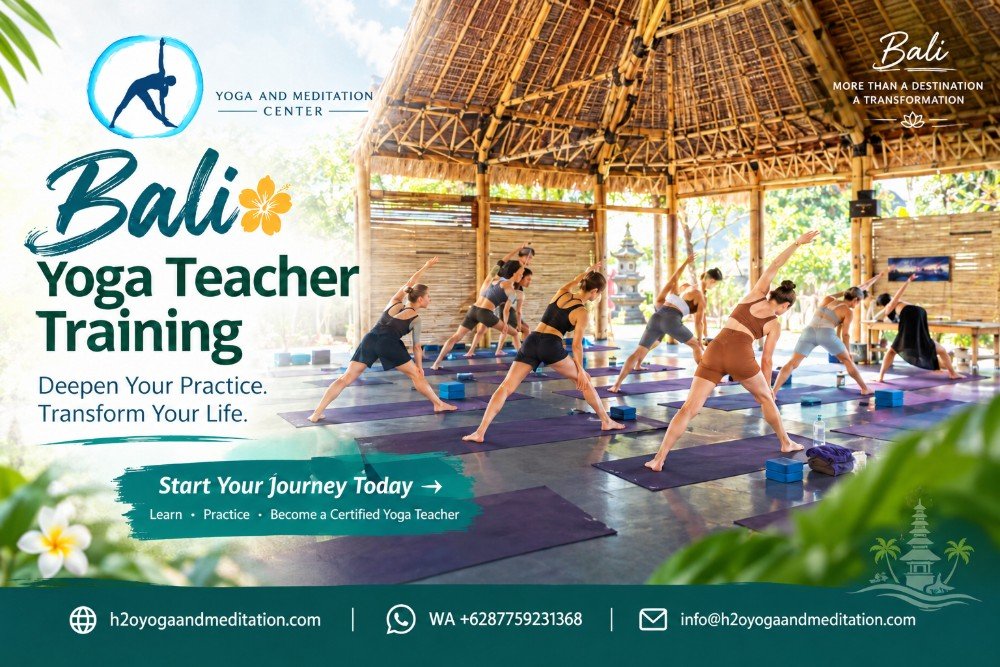
Choosing a yoga teacher training program is an important step for anyone who wants to teach yoga or develop a deeper personal practice. With many courses available across Indonesia, comparing the curriculum, teaching approach, course length, accommodation, and certification can help you find a program that fits your goals. If you are considering Bali Yoga Teacher Training, it is also worth looking at programs on nearby islands such as Lombok, where some Bali-based yoga communities offer extended training experiences.
Define Your Yoga Training Goals
Start by deciding why you want to complete a teacher training course. Some students want to become professional yoga teachers, while others want to understand yoga more deeply and improve their personal practice.
A suitable program should match your objective. Look for a course that provides both regular yoga practice and structured teaching education if you want to teach after graduation.
For example, a 200-hour Hatha-Vinyasa training can cover asana, sequencing, anatomy, pranayama, meditation, philosophy, teaching methodology, and practice teaching. This broad foundation can help students understand yoga beyond individual postures.
Check the Course Duration and Structure
Course length can significantly affect your learning experience. Shorter intensive programs may cover the required material quickly, while a four-week immersion can provide more time to practice, reflect, and integrate new concepts.
When comparing Bali Yoga Teacher Training programs, check how many training hours are included and how those hours are distributed throughout the course.
A 200-hour program, for example, may combine morning asana practice with anatomy workshops, philosophy discussions, meditation, breathwork, and teaching practice. Reviewing the daily schedule can help you understand whether the pace is realistic for you.
Review the Curriculum Carefully
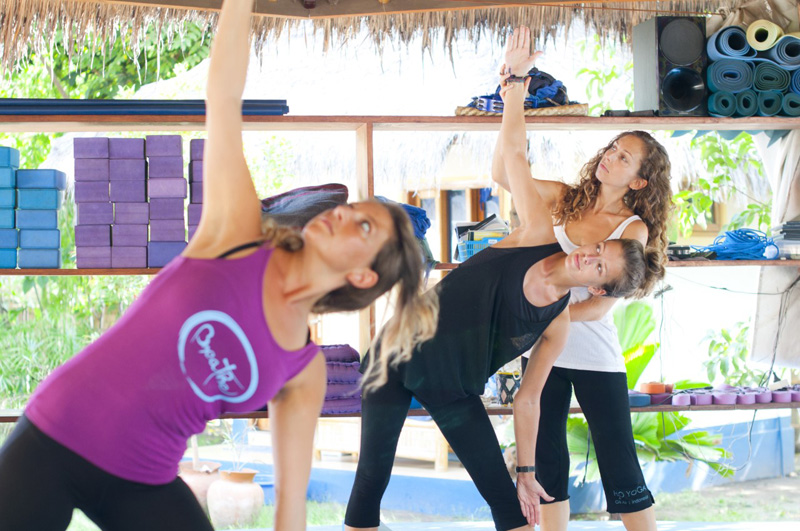
Not every yoga teacher training program approaches the subject in the same way. Read the curriculum before enrolling and check whether it covers the areas you want to study.
Important topics may include:
- Asana practice and alignment
- Functional movement and sequencing
- Anatomy and biomechanics
- Pranayama and meditation
- Mantra and mudra
- Yoga philosophy and history
- Ethics and teaching principles
- Cueing and communication
- Adjustments and modifications
- Practice teaching and feedback
A balanced curriculum can help you develop practical teaching skills while also exploring the traditional foundations of yoga.
Consider the Teaching Team
The experience and qualifications of the lead teacher can influence the learning environment. Review the trainer’s teaching background, certifications, areas of specialization, and experience working with different students.
For the 200-hour training associated with H2O Yoga and Meditation Center and Samastha Yoga Shala, the lead teacher trainer is Maddy Jones, E-RYT 500. Her background includes more than 11 years of teaching, over 4,000 teaching hours, a B.S. in Kinesiology with a concentration in Strength & Conditioning, and advanced biomechanics training.
Looking at a trainer’s professional background can help you understand what type of knowledge and teaching perspective they bring to a program.
Look for Opportunities to Practice Teaching
If your goal is to become a yoga teacher, practical teaching experience is an important consideration.
Some programs introduce teaching methodology gradually, while others incorporate practice teaching from the beginning. Regular opportunities to guide classmates, receive feedback, and refine your sequencing can help you become more comfortable communicating instructions.
The training connected with H2O Yoga and Meditation Center includes peer practice teaching and feedback throughout the four-week program rather than leaving all teaching practice until the final assessment.
Compare Group Size and Student Support
Class size can affect how much individual feedback you receive. A large group may provide a broad social experience, while a smaller group can make it easier to interact directly with the trainer.
The program offered through Samastha Yoga Shala is designed for a small group of approximately 8–12 students. When comparing teacher trainings, ask whether the course includes mentorship, individual feedback, study groups, or other forms of student support.
Check Accommodation and Daily Living Arrangements
Teacher training is not only about classroom instruction. A month-long immersion also means considering where you will stay, what meals are provided, and how the daily schedule fits your needs.
The 200-hour training associated with H2O Yoga and Meditation Center takes place in Kuta, Lombok, Indonesia, on the neighboring island of Bali. The program includes 27 nights of accommodation in a jungle retreat setting and two meals per day, with omnivore, vegetarian, and vegan options.
Students can also compare available room types, from shared accommodation to private rooms, depending on their budget and preference for privacy.
Understand Certification and Requirements
Before choosing a program, verify what certification you receive and what requirements you must complete to graduate.
The training offered through Samastha Yoga Shala is described as a 200-hour Registered Yoga School accredited by Yoga Alliance. Students are expected to demonstrate competence in areas such as safe teaching, presence, and practical application before completing certification requirements.
Always review the school’s current certification information and enrollment requirements directly before making a decision.
Consider the Overall Learning Environment
The setting can also influence your experience. A residential program in a natural environment may provide a different rhythm from a city-based course.
Think about the kind of environment where you learn best. Consider the location, accommodation, daily schedule, opportunities for rest, and amount of time dedicated to study and personal practice.
For some students, a four-week immersion offers an opportunity to temporarily step away from everyday routines and focus on yoga education and practice.
Make a Comparison Before Enrolling
Before choosing a program, compare several options using the same criteria:
- Course duration and total contact hours
- Curriculum and teaching methods
- Trainer qualifications and experience
- Amount of practical teaching
- Group size and student support
- Accommodation and meals
- Certification requirements
- Total cost and what is included
- Location and daily schedule
- Travel and additional expenses
Taking time to compare these details can make it easier to identify a Bali Yoga Teacher Training program that matches your goals, learning style, budget, and expectations.
Explore Your Training Options
H2O Yoga and Meditation Center supports a 200-hour Hatha-Vinyasa Yoga Teacher Training held on neighboring Lombok through Samastha Yoga Shala. The four-week program combines yoga practice, anatomy, biomechanics, philosophy, pranayama, meditation, teaching methodology, and practical teaching experience.
For current dates, availability, curriculum, pricing, and enrollment information, review the details provided by Samastha Yoga Shala before registering.