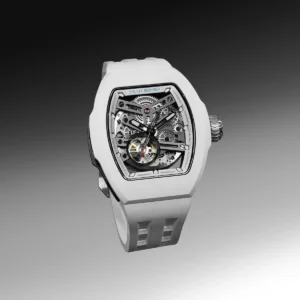
Seiko Watch Care and Maintenance: Keeping Yours Running for Decades
A well-built Seiko watch is designed to last for decades, but that longevity depends heavily on basic care habits rather than just the quality of construction alone. Whether it’s an affordable quartz model or a higher-end automatic, small maintenance habits make the difference seiko watches between a watch that still runs perfectly after twenty years and one that develops avoidable problems within just a few.
Daily Handling Basics
Simple daily habits go a long way. Avoid exposing the watch to sudden temperature changes, such as going from a hot shower directly into cold air, since this can cause condensation to form inside the case over time if seals aren’t in perfect condition. When putting the watch on or taking it off, handle the crown and clasp gently rather than forcing them, since these are common points of mechanical wear.
For automatic models, it’s worth noting they rely on wrist motion to stay wound. If a watch sits unused for more than a day or two, it may need manual winding or a few extra minutes of wrist motion before it starts keeping accurate time again.
Water Resistance: Understanding the Real Limits
Water resistance ratings can be misleading if taken too literally. A watch rated for 50 meters of water resistance isn’t necessarily safe for swimming or diving at that depth — the rating reflects controlled laboratory conditions, not real-world activity where water pressure changes rapidly with movement. As a general guideline, 30-meter ratings are best treated as splash-resistant only, 50-meter ratings can typically handle light water exposure like handwashing or rain, and dedicated dive-rated models within the Prospex line, tracing back to Seiko’s first true diver’s watch in 1965, are the only ones genuinely built for swimming or diving.
Regardless of rating, avoid adjusting the crown while the watch is wet or submerged, since this is one of the most common ways water resistance gets compromised.
Cleaning Your Watch Properly
Regular cleaning helps prevent buildup of sweat, dirt, and oils that can degrade straps and seals over time. For metal cases and bracelets, a soft brush with mild soapy water works well, followed by a thorough dry with a soft cloth. Avoid harsh chemicals or ultrasonic cleaners unless you’re confident about the watch’s water resistance rating and seal condition, since improper cleaning methods can push moisture into places it shouldn’t reach.
Leather straps require different care entirely — they should be kept away from excessive water and cleaned with products specifically designed for leather, since standard soap and water can dry out and crack the material over time.
Movement Servicing: How Often Is Actually Necessary
Automatic and mechanical movements generally benefit from professional servicing every three to five years, even if the watch appears to be running fine. This service typically involves disassembling the movement, cleaning out old lubricant, replacing worn components, and re-lubricating everything before reassembly. Skipping this maintenance for too long can lead to increased wear on movement parts, since dried-out lubricant creates friction that wasn’t originally part of the design tolerance.
Quartz movements require far less frequent attention, generally needing only a battery replacement every one to three years depending on the specific model and usage patterns, along with a gasket check at the same time to maintain water resistance.
Storing Your Watch When Not in Use
When a watch isn’t being worn regularly, proper storage matters more than people often realize. Automatic watches left completely still will eventually stop once their power reserve depletes, which is normal and not a sign of a problem. For those who rotate between multiple automatic watches, a watch winder can keep a piece running continuously, though it’s optional rather than necessary for long-term watch health.
Storing watches away from direct sunlight helps prevent dial fading over time, and keeping them in a dry environment reduces the risk of moisture-related issues, particularly for vintage pieces with older seals that may not perform as reliably as newer gaskets.
Recognizing Early Warning Signs
Certain signs suggest a watch needs professional attention seiko 5 sooner rather than later. Noticeable time drift beyond what’s expected for the movement type, difficulty winding the crown, condensation appearing under the crystal, or an automatic movement that stops significantly earlier than its rated power reserve are all reasonable triggers to have the watch checked, rather than waiting for the problem to worsen.
Where to Get Servicing Done
For warranty-covered or higher-value models, particularly Grand Seiko pieces known for their advanced finishing techniques like Zaratsu polishing, using authorized service centers helps preserve both the watch’s function and its resale value. For more affordable models, reputable independent watchmakers are often a practical and less expensive option, as long as they have specific experience working with Seiko movements.
Final Thoughts
Seiko has built its reputation on manufacturing watches designed to last, largely through in-house production and consistent engineering standards across its lineup. But even the best-built watch depends on basic care to reach its full potential lifespan. Simple habits — avoiding unnecessary water exposure, respecting service intervals, and storing the watch properly — are usually all it takes to keep a Seiko running reliably for decades, whether it’s an everyday quartz model or a cherished automatic passed down for generations.