Pigmentation is a common skin concern that can affect people with different skin types and tones. Dark spots, uneven patches, sun-related discolouration, and post-acne marks can make the complexion appear less uniform. Although pigmentation is often a cosmetic concern, it can have an impact on how people feel about the appearance of their skin.
Modern aesthetic treatments focus on improving the appearance of uneven pigmentation while supporting overall skin quality. With a personalised assessment, the appropriate approach can be selected according to the type, depth, and appearance of the pigmentation.
For people considering Pigmentation In Manchester, professional skin assessment and customised treatment planning can provide a structured approach to achieving a brighter and more even-looking complexion. SLA Medical Clinic provides pigmentation-focused treatments in Manchester, with options including advanced light-based treatments, chemical peels, and medical-grade skincare.
What Is Skin Pigmentation?
Understanding Uneven Skin Tone
Skin pigmentation refers to the colour of the skin, which is largely determined by melanin. Melanin is produced by specialised cells in the skin and helps give the complexion its natural colour.
When melanin becomes concentrated in particular areas, darker patches or spots can appear. These areas may vary in size and intensity depending on the underlying cause and individual skin characteristics.
Pigmentation can appear on areas such as:
- Face
- Forehead
- Cheeks
- Upper lip
- Chin
- Neck
- Hands
- Décolletage
The appearance can range from small individual spots to broader areas of uneven tone.
Common Types of Pigmentation
Sun-Related Pigmentation
Regular exposure to ultraviolet radiation can contribute to the development of darker areas and sun-related spots. These may become more noticeable over time, particularly on areas that receive frequent sun exposure.
A consistent skincare routine and daily sun protection can be important parts of maintaining a more even complexion.
Post-Inflammatory Pigmentation
Dark marks can sometimes remain after inflammation or skin conditions such as acne. These marks may gradually become lighter, although the timeframe can differ from person to person.
Professional treatments can be considered when persistent marks do not improve sufficiently with a regular skincare routine.
Melasma
Melasma is another form of pigmentation that commonly appears as larger, irregular areas of darker skin, often around the cheeks, forehead, or upper lip. Hormonal changes and exposure to sunlight can contribute to its development.
Because melasma can behave differently from other pigmentation concerns, an individual assessment is important when selecting an appropriate treatment approach.
Age-Related Pigmentation
Changes in skin appearance over time can contribute to visible dark spots and uneven tone. These areas may become more noticeable as cumulative environmental exposure affects the skin.
A tailored approach can combine pigmentation-focused procedures with skincare designed to support overall skin quality.
What Causes Pigmentation?
Sun Exposure
Sun exposure is one of the most common factors associated with uneven pigmentation. Ultraviolet radiation can stimulate melanin production, potentially making existing pigmentation more noticeable.
Daily broad-spectrum sun protection can therefore be an important part of a pigmentation-management routine.
Hormonal Changes
Hormonal fluctuations can contribute to pigmentation, particularly in cases of melasma. This means that some pigmentation concerns may require ongoing management rather than a single treatment.
Previous Skin Inflammation
Acne and other inflammatory skin concerns can leave behind darker marks. These marks can remain after the original inflammation has settled.
Natural Skin Changes
The appearance of skin can change over time due to ageing, environmental exposure, and changes in skin renewal. These factors can contribute to an uneven-looking complexion.
Modern Treatment Options for Pigmentation
Chemical Peels
Chemical peels use professionally selected ingredients to exfoliate the skin and encourage surface renewal. Depending on the formulation and treatment plan, they may help improve the appearance of uneven tone and pigmentation.
The type and strength of a peel should be selected according to the individual’s skin characteristics and pigmentation concern.
Laser and Light-Based Treatments
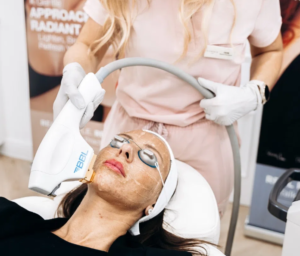
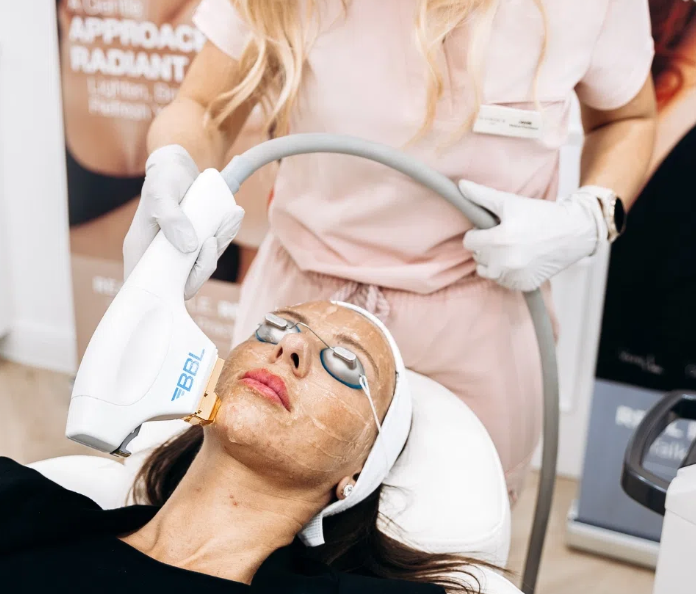
Advanced laser and light-based technologies can target visible pigmentation and uneven skin tone. At SLA Medical Clinic, Sciton BBL and Moxi technologies are offered for concerns including pigmentation, sun damage, uneven tone, and overall skin rejuvenation.
Light-based treatment can be incorporated into a personalised plan when appropriate for the individual’s skin and treatment goals.
Medical-Grade Skincare
Skincare can play an important role alongside professional treatments. Carefully selected products may help support skin renewal, improve the appearance of uneven tone, and maintain treatment results.
At SLA Medical Clinic, skincare is incorporated into personalised treatment planning, with the aim of supporting both in-clinic procedures and ongoing home care.
HydraFacial-Based Skin Care
HydraFacial treatments can combine cleansing, exfoliation, hydration, and targeted boosters. At SLA Medical Clinic, a Brightenol booster containing ingredients such as alpha-arbutin and vitamin C is offered as an option for improving the appearance of dark and sun spots.
This type of treatment may be considered as part of a broader skin-maintenance plan.
How Is Pigmentation Treatment Personalised?
Initial Skin Assessment
The first step is understanding the pigmentation itself. Different forms of pigmentation can require different approaches, so treatment should not be based solely on the presence of dark spots.
A professional assessment can consider:
- Type of pigmentation
- Location of pigmentation
- Skin type
- Skin tone
- Previous skincare
- Previous treatments
- Treatment goals
- Overall skin condition
At SLA Medical Clinic, pigmentation treatment begins with a skin assessment to help determine the cause and create an individualised treatment plan.
Selecting the Appropriate Treatment
Depending on the assessment, treatment may involve a single approach or a combination of procedures and skincare.
Possible options can include chemical peels, laser or IPL-based treatments, and medical-grade topical skincare.
Creating a Maintenance Plan
Pigmentation can be influenced by ongoing factors such as sunlight and hormonal changes. For this reason, maintaining an even-looking complexion may require continued skincare and appropriate sun protection after professional treatment.
What Can You Expect During Pigmentation Treatment?
Consultation and Planning
A consultation allows the practitioner to examine the skin and discuss the pigmentation concern. This provides an opportunity to establish realistic goals and determine which treatment approach is appropriate.
During Treatment
The experience depends on the selected procedure. Chemical peels involve applying a professionally selected solution to the skin, while laser and light-based procedures use controlled energy to target specific areas.
Some treatments may involve sensations such as warmth or tingling. The treatment process and expected experience can vary according to the technology and individual treatment plan.
After Treatment
Aftercare depends on the procedure used. A practitioner may recommend gentle skincare, moisturisation, and appropriate sun protection while the skin progresses through its renewal process.
Following personalised aftercare instructions can help support the desired cosmetic outcome.
Pigmentation Cost In Manchester
What Determines Treatment Cost?
The Pigmentation Cost In Manchester can vary because pigmentation treatment is not a single standard procedure. Different individuals may require different treatment methods, treatment areas, and numbers of sessions.
Factors that can influence the overall cost include:
- Type of pigmentation
- Size of the treatment area
- Selected treatment technology
- Number of sessions
- Combination treatments
- Individual skincare requirements
- Personalised maintenance plan
A consultation is therefore useful for understanding which treatment approach is appropriate before estimating the total cost.
Why Treatment Plans Can Differ
Someone with a small number of visible pigmentation spots may have different requirements from someone with widespread uneven pigmentation or melasma.
The number of sessions can also vary. SLA Medical Clinic states that pigmentation treatment plans are personalised according to the type and degree of pigmentation, with the treatment approach selected following assessment.
Benefits of Professional Pigmentation Care
A More Even-Looking Complexion
The primary cosmetic goal of pigmentation treatment is to reduce the appearance of uneven discolouration and create a more uniform-looking complexion.
Brighter-Looking Skin
Professional treatments can help improve the appearance of dull or uneven skin, creating a fresher and brighter overall appearance.
Improved Skin Texture
Some pigmentation treatments also support skin renewal, which can contribute to smoother-looking skin alongside improvements in tone.
Personalised Skin Management
A personalised approach allows treatment to focus on the individual’s pigmentation pattern rather than applying the same procedure to everyone.
Why Choose SLA Medical Clinic for Pigmentation Treatment?
Personalised Treatment Planning
SLA Medical Clinic provides personalised pigmentation treatment plans based on skin assessment, pigmentation type, and individual goals. Its Manchester clinic offers advanced skin treatments designed around different skin concerns and requirements.
Advanced Treatment Technologies
The clinic offers technologies including Sciton BBL and Moxi, which are used for concerns such as pigmentation, sun damage, uneven skin tone, and skin rejuvenation.
Combination of In-Clinic and Home Care
Long-term skin management can involve both professional treatments and an appropriate home skincare routine. SLA Medical Clinic emphasises combining in-clinic treatments with targeted skincare to support ongoing skin health.
Manchester Location
SLA Medical Clinic is located at 3 Monton Green, Worsley, Eccles, Manchester, providing access to pigmentation-focused skin treatments within the Manchester area.
How to Support an Even-Looking Complexion at Home
Use Daily Sun Protection
Sun exposure can contribute to the appearance of pigmentation. Using suitable daily sun protection can help reduce ongoing exposure that may make uneven pigmentation more noticeable.
Follow a Consistent Skincare Routine
A simple, consistent skincare routine can help maintain the condition and appearance of the skin. Products should be selected according to individual skin type and professional recommendations where appropriate.
Avoid Over-Exfoliation
Using too many strong exfoliating products can interfere with the skin’s comfort and appearance. A balanced routine is generally preferable to repeatedly applying aggressive products.
Stay Consistent With Professional Advice
If professional pigmentation treatment has been recommended, following the advised skincare and maintenance routine can help support the treatment plan.
How Long Do Pigmentation Results Take?
Gradual Skin Renewal
Pigmentation does not always disappear immediately after treatment. The appearance of the skin can change progressively as it goes through its natural renewal process.
The timeframe depends on the type and depth of pigmentation, the treatment selected, and the individual’s response to treatment.
Multiple Sessions May Be Recommended
Some pigmentation concerns may require a course of treatments rather than one appointment. SLA Medical Clinic notes that the number of sessions can depend on the severity and type of pigmentation.
A personalised consultation can provide a clearer understanding of the expected treatment schedule.
Who May Consider Pigmentation Treatment?
People With Uneven Skin Tone
People who notice persistent areas of darker pigmentation or an uneven complexion may consider professional assessment.
People With Sun-Related Discolouration
Those with visible sun-related spots or photodamage may benefit from discussing suitable treatment options with a qualified practitioner.
People With Post-Acne Marks
Persistent pigmentation following acne may be addressed through treatments selected specifically for the individual’s skin condition.
People With Melasma
People experiencing melasma may benefit from an assessment to determine an appropriate long-term management approach. Because melasma can be persistent, treatment planning can be particularly important.
Frequently Asked Questions
What is pigmentation treatment in Manchester?
Pigmentation treatment refers to professional approaches designed to improve the appearance of dark spots, uneven skin tone, and discolouration. Depending on the pigmentation type, treatment may include chemical peels, laser or light-based procedures, and medical-grade skincare.
How much does pigmentation treatment cost in Manchester?
The Pigmentation Cost In Manchester varies according to the treatment method, treatment area, number of sessions, and individual requirements. A consultation can provide a more personalised cost estimate.
Can pigmentation treatment improve uneven skin tone?
Yes. Pigmentation-focused treatments are designed to reduce the visible appearance of discolouration and create a more even-looking complexion.
How many pigmentation treatment sessions are needed?
The number of sessions depends on the type and severity of pigmentation and the treatment method selected. Some people may require a course of treatments rather than a single session.
Can pigmentation return after treatment?
Pigmentation can become visible again when contributing factors continue, including sun exposure and certain hormonal influences. Ongoing sun protection, suitable skincare, and maintenance treatments may therefore be important.
Is pigmentation treatment suitable for different skin types?
Treatment can be adapted according to individual skin characteristics. A professional assessment is important for selecting an appropriate approach.
Can pigmentation treatment help with melasma?
Specific treatments can be used to manage the appearance of melasma. Because melasma can be persistent, an individualised treatment and maintenance plan may be appropriate.
When should I book a pigmentation consultation?
If pigmentation is persistent, becoming more noticeable, or affecting your confidence, a professional skin assessment can help identify the available treatment options and establish an appropriate plan.
Conclusion
Pigmentation can affect the appearance of skin tone in many different ways, from isolated dark spots to broader areas of uneven colour. Modern pigmentation care focuses on identifying the type of pigmentation and selecting an approach that matches the individual’s skin characteristics and goals.
For people exploring Pigmentation in Manchester, treatments such as chemical peels, advanced laser and light-based procedures, and targeted medical-grade skincare may form part of a personalised plan. SLA Medical Clinic provides pigmentation-focused care in Manchester, combining professional assessment with customised treatment and skincare guidance.
A professional consultation can help determine the most suitable approach, expected treatment schedule, and Pigmentation Cost In Manchester for individual requirements.