uPVC windows
Comfort in a contemporary Indian home is not solely determined by the furniture, decorations, or the room sizes. The response of the home to heat, variable weather, noise, ventilation, and movement could actually influence comfort levels directly. In Indian cities, the home experiences hot summer weather, monsoons, noise from traffic, and increasingly compact layouts.
Windows and doors form an integral part of this scenario since they ensure a connection between the interior space and the external environment. Their materials, types of opening, glazing, seals, and lock mechanisms can determine how effectively or comfortably the building performs during the day. uPVC windows and doors can meet these demands when their configurations are selected according to the needs of each room.
Better Ventilation for Everyday Comfort
Ventilation is crucial for keeping the interior comfortable. Nonetheless, various spaces might have different requirements regarding the amount and type of airflow. For example, a bedroom, office, and living room might require being ventilated differently, and thus the opening is also important in this case.
Selection may also depend on how often you need to open the window and on whether there is a need for controlled or wider airflow. Making a decision based on this aspect makes it easier to manage ventilation.
Managing Indoor Comfort Through Changing Weather
Indian residential units have to accommodate the changing conditions outside throughout the year. Summer heat, monsoon rains, windy periods, as well as cooler weather, could influence how homeowners make use of their doors and windows. A good system must maintain indoor comfort while remaining functional for users.
Features that contribute to insulation and weather and water resistance can become particularly relevant in such environments. The profile, seals, glazing, and installation work together to influence how effectively the opening performs.
Homeowners can also consider the following when selecting their systems:
- The local climate and typical weather conditions
- The room’s exposure to direct sunlight and outdoor elements
- The level of ventilation required throughout the day
- How frequently the window or door will be opened
For homes where maintaining a comfortable indoor environment is a priority, uPVC doors can also contribute as part of the overall building envelope. Their configuration and construction should be considered alongside the windows rather than separately.
Creating Quieter Indoor Spaces
Noise can have a significant effect on comfort, particularly in urban homes located near busy roads, commercial areas, or construction activity. Although windows and doors cannot eliminate every outside sound, the right combination of profile, glazing, seals, and installation can contribute to better sound insulation.
This can be especially useful in bedrooms, studies, and home offices, where external noise can interrupt rest or concentration. Homeowners should therefore consider sound insulation alongside ventilation and other performance requirements when selecting openings.
The objective is not to make every room identical, but to choose solutions that respond to how each space is used. uPVC windows can be considered as part of this approach where homeowners want to balance ventilation with other aspects of indoor comfort.
Making Everyday Movement More Convenient
Comfort also comes from how easily people can use the spaces around them. A window or door that interferes with furniture, occupies too much interior space when opened, or does not suit the layout can become inconvenient in daily life.
Different opening configurations can address different spatial requirements:
- Sliding windows and doors move horizontally and do not require the same inward clearance as inward-opening configurations.
- Tilt and turn windows provide two operating positions through the same sash.
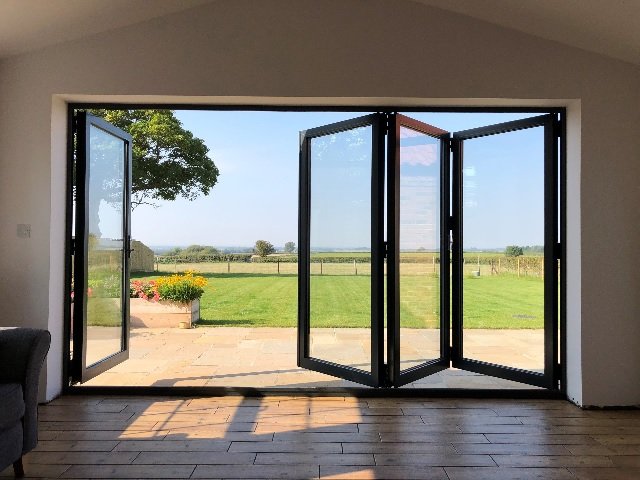
- Slide and fold doors can create a wider connection between indoor and outdoor areas when the layout permits.
- Lift and slide doors can be considered where a larger opening is required.
The important consideration is to match the operating style to the room rather than selecting a configuration simply because it is commonly used. uPVC doors can be selected in different configurations according to the available space and the way the entrance or opening will be used.
Supporting Security Alongside Comfort
A home also needs to feel secure while remaining convenient to operate. Windows and doors are key points between the interior and exterior, so their locking arrangements and construction should form part of the selection process.
Multi-locking systems can secure a door at several points rather than depending on a single locking location. Casement doors, for example, incorporate multipoint locking, solid hinges, and safety glazing options.
For homeowners, this means security does not have to be considered separately from everyday functionality. uPVC doors can combine practical opening configurations with security-focused features suited to residential entrances.
Choosing Openings According to Each Room
Every room has its own requirements. A bedroom may prioritise controlled ventilation and sound insulation, while a living room may need a wider opening or a configuration that works around furniture. A balcony connection may require an entirely different approach.
So, a useful selection process starts with the room itself. Before choosing a configuration, homeowners can consider the clearance available, desired airflow, exposure to weather, frequency of use, and the level of privacy or security required.
This room-specific approach helps ensure that uPVC windows are selected for a genuine purpose rather than simply applied uniformly throughout the home. The same principle can be used for doors, where the opening style should correspond to the layout and function of each entrance.
How Koemmerling’s uPVC Windows and Doors Address Different Home Requirements
Koemmerling’s range is designed around different ways homeowners use windows and doors. Its uPVC windows are available in casement, sliding, top hung, tilt and turn, and grill and mesh configurations. These options allow homeowners to select different approaches to ventilation, opening, and everyday usability instead of relying on one configuration throughout the home.
Koemmerling’s uPVC doors include casement, sliding, slide and fold, and lift and slide options. The range also incorporates multi-locking systems for doors, while the different opening configurations can accommodate varying space and access requirements. This makes Koemmerling’s range relevant when homeowners are considering ventilation, weather exposure, security, room layout, and ease of operation together.
Conclusion
A comfortable home is one where its openings work with the way people actually live. Ventilation, weather conditions, sound insulation, security, and room layout all influence whether windows and doors feel practical in everyday use.
The best method here would be to analyze each room individually and then select the configurations that best suit the particular room. Koemmerling provides a range of window and door configurations that would help in achieving this goal, allowing homeowners to have a more comfortable and functional living space.