A beautiful landscape does not have to depend on large expanses of thirsty grass or constant irrigation. Property owners can create attractive outdoor environments by selecting plants carefully, organizing the site according to its natural conditions, and using materials that reduce unnecessary maintenance. Xeriscaping takes this approach by emphasizing thoughtful water management and plant selection while still allowing a landscape to have color, texture, shade, and character. Transformed Landscaping Co. helps property owners develop outdoor environments that combine practical planning with visual appeal.
A Different Approach to Outdoor Landscaping
Traditional landscaping often places a large lawn at the center of the design. Xeriscaping takes a different direction by considering how each part of the property can function with less reliance on supplemental water.
This does not mean creating an empty yard filled only with rocks. A carefully designed xeriscape can contain trees, shrubs, flowering plants, ornamental grasses, pathways, mulch, decorative stone, and comfortable outdoor spaces.
For property owners considering Xeriscape in Austin Texas, the design should begin with the characteristics of the property and the environmental conditions in which the plants will grow.
Understanding the Property Before Choosing Plants
Every outdoor space has its own microconditions. One section may receive direct sunlight for most of the day, while another may remain shaded by a building or mature tree.
Slopes can affect water movement, and compacted soil may create challenges for root development. Existing vegetation may also influence where new plants can thrive.
Evaluating these conditions before installation allows the landscape to be divided into areas according to their individual needs. This can make plant selection and irrigation planning more precise.
Selecting Plants That Fit the Environment
Plant selection is at the heart of xeriscape planning. Instead of choosing plants solely for their appearance, property owners can consider their water requirements, mature size, sunlight tolerance, soil preferences, and ability to handle local conditions.
Native and well-adapted plants can be useful choices when they match the characteristics of the site. A diverse selection can provide seasonal interest while creating different layers within the landscape.
Trees can provide height and shade, shrubs can define spaces, and smaller plants can add color and texture near pathways and gathering areas.
Creating Distinct Planting Zones
Grouping plants according to their needs can make a landscape easier to manage. Plants that require similar amounts of moisture can share an irrigation zone, while vegetation with lower water requirements can occupy drier areas.
This approach prevents the entire property from being watered according to the needs of only the most demanding plants.
When planning Xeriscape in Austin Texas, dividing the landscape into practical planting zones can help make water use more targeted while also creating a more organized visual layout.
Using Mulch and Ground Cover Strategically
Ground coverage can serve several purposes in a xeriscape. Mulch can help protect planting beds and reduce exposed soil, while decorative gravel or stone can create visual separation between different sections.
Suitable ground-cover plants can also fill spaces where a traditional lawn may not be necessary.
The choice of material should depend on the location. Areas used for walking require stable surfaces, while planting beds may benefit from materials that support soil and moisture management.
Reducing Unnecessary Lawn Areas
A lawn can be useful when it provides a clear function, such as recreation or an open area for gatherings. However, large lawn sections that receive little use may require more maintenance than they justify.
Xeriscaping provides an opportunity to reconsider how outdoor space is allocated. Unused turf can potentially be replaced with planting beds, seating areas, pathways, or decorative ground coverage.
This can create a landscape with more variety while reducing the amount of area that requires regular mowing and irrigation.
Designing With Shade in Mind
Shade can have a major effect on outdoor comfort. Trees can provide natural relief from direct sunlight while also becoming important visual features within the landscape.
Their placement should be carefully considered because mature trees can eventually influence surrounding plants, structures, and outdoor areas.
A strategically positioned tree can provide shade over a seating area or help soften a large open section of a property. Selecting an appropriate species and allowing enough room for mature growth are important parts of the planning process.
Incorporating Hardscape Elements
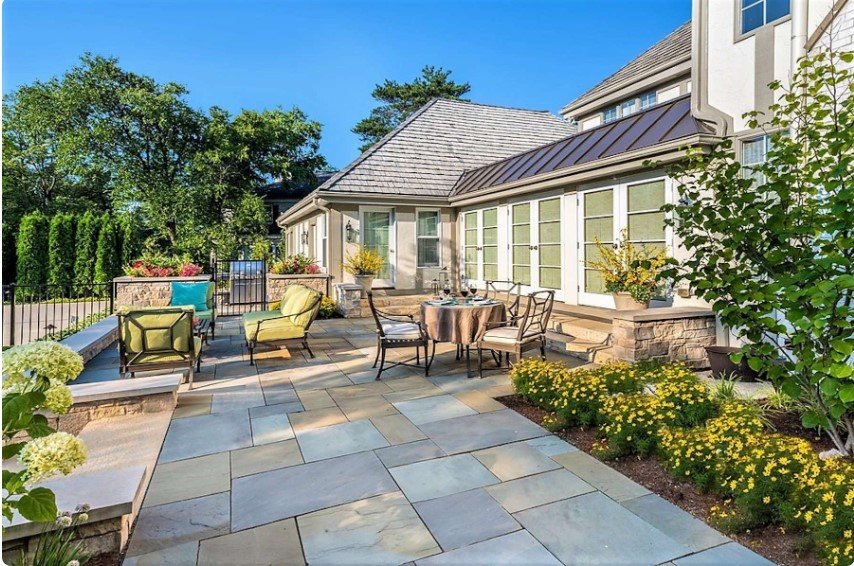
Xeriscaping can include substantial hardscape features. Patios, walkways, retaining walls, seating areas, and decorative stone can give the landscape structure while reducing the amount of water-dependent vegetation.
Hardscape can also create usable outdoor rooms. A paved seating area surrounded by drought-tolerant planting can become an inviting place for relaxation without requiring a large lawn.
Transformed Landscaping Co. offers hardscaping alongside landscape design and installation, allowing natural and built elements to be coordinated within one outdoor plan.
Planning Irrigation Carefully
Water-efficient landscaping still requires appropriate irrigation, particularly while new plants establish their root systems. The goal is to provide water where it is needed without treating every part of the property the same way.
Different planting zones can be designed around different moisture requirements. Targeted irrigation can then support those zones more efficiently.
Transformed Landscaping Co. provides custom irrigation solutions, making water management an important part of the overall landscape planning process.
Supporting Outdoor Comfort
A water-conscious landscape can also be designed around how people want to use their property. Seating areas, shaded spaces, pathways, and small gathering zones can make the landscape more functional.
Plants can help create privacy around these areas without requiring solid walls. Trees and shrubs can frame views, while low-growing vegetation can soften the edges of patios and pathways.
This combination allows a xeriscape to be both resource-conscious and comfortable.
Applying Xeriscaping to Commercial Properties
Xeriscaping is not limited to residential yards. Businesses can use water-conscious landscaping around entrances, offices, retail locations, restaurants, and other commercial properties.
Commercial landscapes often need to balance appearance with practical maintenance. Plants should not interfere with signs, pedestrian routes, parking areas, or building access.
A carefully organized xeriscape can provide greenery and visual interest while keeping maintenance requirements manageable.
Keeping Hard Surfaces Clean
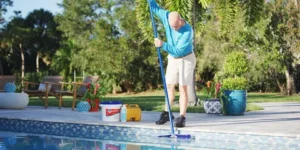
The appearance of a landscape depends partly on the condition of the surfaces around it. Walkways, patios, driveways, parking areas, and building exteriors can collect dust, dirt, leaves, and other outdoor debris.
Regular cleaning helps maintain a clear distinction between landscaped areas and surrounding hardscape. It can also make pathways and outdoor gathering spaces more inviting.
Transformed Landscaping Co. can focus on landscaping improvements, while professional exterior cleaning can complement those efforts by keeping surrounding surfaces presentable.
Designing for Long-Term Development
A xeriscape should be considered as a living system that changes over time. Plants grow, shade patterns shift, and the appearance of planting beds develops.
Planning around mature plant sizes can prevent overcrowding and reduce the need for frequent corrective pruning. It also allows the landscape to retain its intended structure as vegetation becomes established.
Long-term planning is particularly important for trees and permanent hardscape because these elements can influence the property for many years.
Making Maintenance More Manageable
Xeriscaping does not eliminate maintenance, but thoughtful design can make routine care more manageable. Plants still need pruning, seasonal attention, and monitoring, while irrigation systems require periodic inspection.
A landscape that matches the owner’s preferred maintenance level is more likely to remain attractive over time.
By combining suitable plants, efficient irrigation, practical ground coverage, and functional hardscape, property owners can establish an outdoor environment that does not depend on intensive daily care.
Conclusion
A water-conscious landscape can offer much more than reduced irrigation needs. Xeriscape in Austin Texas can combine well-adapted plants, thoughtful planting zones, efficient irrigation, shade, hardscape, and comfortable outdoor areas to create a landscape that works with its environment. Transformed Landscaping Co. provides landscaping, hardscaping, irrigation, and related outdoor services that can help bring these concepts together. With careful site planning and ongoing maintenance, a xeriscape can remain attractive, functional, and manageable as it develops through the seasons.