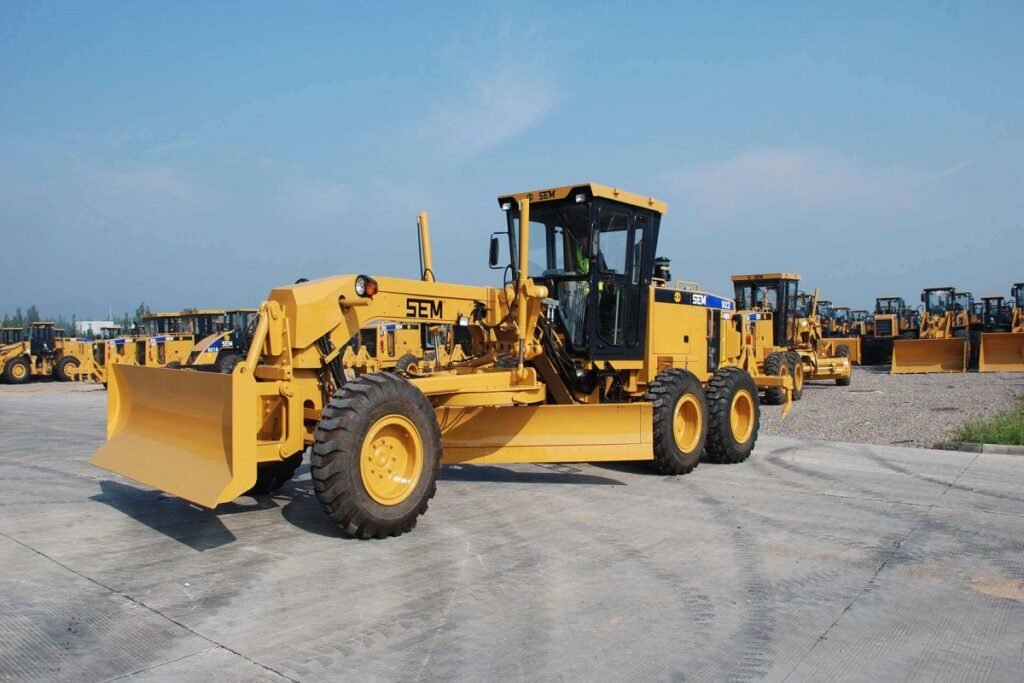
Qatar’s road network and infrastructure projects don’t stop just because a grader gets old. If anything, the country’s steady construction workload is why used motor graders for sale in Qatar rarely sit on a dealer’s lot for long, and why treating the secondhand market as a fallback rather than a first choice is usually the wrong call. A well-maintained used grader can do the same job as a new one for a fraction of the outlay, but only if you know what you’re actually buying.
Why Buyers Look at Used Machines First
New graders lose value fast in the first few years, the same way most heavy equipment does. That steep early drop means a three- to five-year-old machine with moderate hours can often deliver most of the working life of a new unit at a noticeably lower entry price. For contractors juggling sites across Doha, Al Rayyan, or the industrial zones further out, that gap matters more than brand loyalty.
The catch is that “used” covers an enormous range of actual condition, and the asking price rarely tells you which end of that range you’re looking at.
What to Actually Check Before You Buy
Engine hours are the first number everyone quotes, and the first number worth distrusting. Hour meters get replaced, reset, or simply stop working, so cross-check the reading against wear on the pedals, seat, and steering wheel before taking it at face value.
Beyond that, focus on the parts that are expensive to fix and easy to miss:
- Moldboard and cutting edge wear: uneven wear usually means the machine was run with a poor blade angle for long stretches.
- Circle and drawbar play: grab the blade and try to rock it; excessive movement here is a costly repair, not a minor adjustment.
- Hydraulic system: look for weeping seals, discoloured fluid, or slow response on the blade lift and articulation.
- Articulation joint: the part that takes the most abuse on a grader, and the most expensive to rebuild if it’s gone.
- Tyres and rims: Qatar’s heat accelerates sidewall cracking even on tyres with plenty of tread left.
If a seller won’t let you run the machine under load before you commit, that’s a decision on its own.
Qatar’s Climate Is Harder on Equipment Than the Spec Sheet Admits
Heat and airborne dust don’t show up as a line item, but they shorten component life across the board. Cooling systems work harder, hydraulic seals degrade faster, and cab air filters clog quicker than they would in a temperate market. When comparing a Gulf-run machine against one imported from elsewhere, ask directly where it’s spent its working life. A grader that’s been grading desert sites through 45°C summers has had a rougher run than the hour meter alone suggests.
Which Brands Show Up Most in the Gulf Secondhand Market
Caterpillar and Komatsu dominate the used listings across Qatar and the wider GCC, largely because dealer support and parts availability are strongest for those two. John Deere, Case, and Volvo turn up regularly too, and brands like XCMG and SDLG have been gaining ground on price, particularly with buyers less concerned about resale value down the line. Brand matters less than parts and service access. A cheaper machine with no local dealer support can end up costing more in downtime than a pricier one that’s easy to keep running.
Where to Buy, and What Paperwork to Chase
Authorised dealers and equipment auction platforms both operate in Qatar, and each comes with trade-offs. Dealers typically offer some inspection and warranty backing, at a higher price. Auctions can be cheaper but put more inspection responsibility on you. Private sales sit somewhere in between and need the most caution.
Whichever route you take, confirm ownership documentation, import history, and any outstanding finance on the machine before money changes hands. If the grader was imported, ask for the customs paperwork directly rather than taking a seller’s word for it.
Negotiating on Price
Sellers price against replacement cost, not against how the machine will perform for you. Once you’ve got inspection results in hand, quantify what any wear items will cost to fix and use that figure directly in the negotiation rather than a vague “it needs some work” discount request. A grader that needs a new set of cutting edges and a hydraulic seal kit has a real number attached to it, and sellers respond better to that than to gut-feel haggling.
FAQs
Q: Is buying a used motor grader in Qatar cheaper than importing one privately?
A: Not always. Local dealer stock carries a premium for inspection and warranty, but a private import can eat that saving in shipping, customs handling, and the risk of buying unseen.
Q: How many hours is too many on a used grader?
A: There’s no fixed number. A machine with 8,000 hours and full service records can be a better buy than one with 4,000 hours and no history. Records matter more than the raw figure.
Q: Do used graders in Qatar need modification for local ground conditions?
A: Usually not structurally, but check blade and cutting-edge specification against the ground you’ll be working. Loose, sandy ground wears edges faster than compacted surfaces.
Before You Sign Anything
A used motor grader is only a good deal if the machine matches the price, not the other way round. Get an independent inspection, ask for full service history, and don’t let a seller’s timeline push you into skipping the parts that are hard to check once you own it.